
 EN


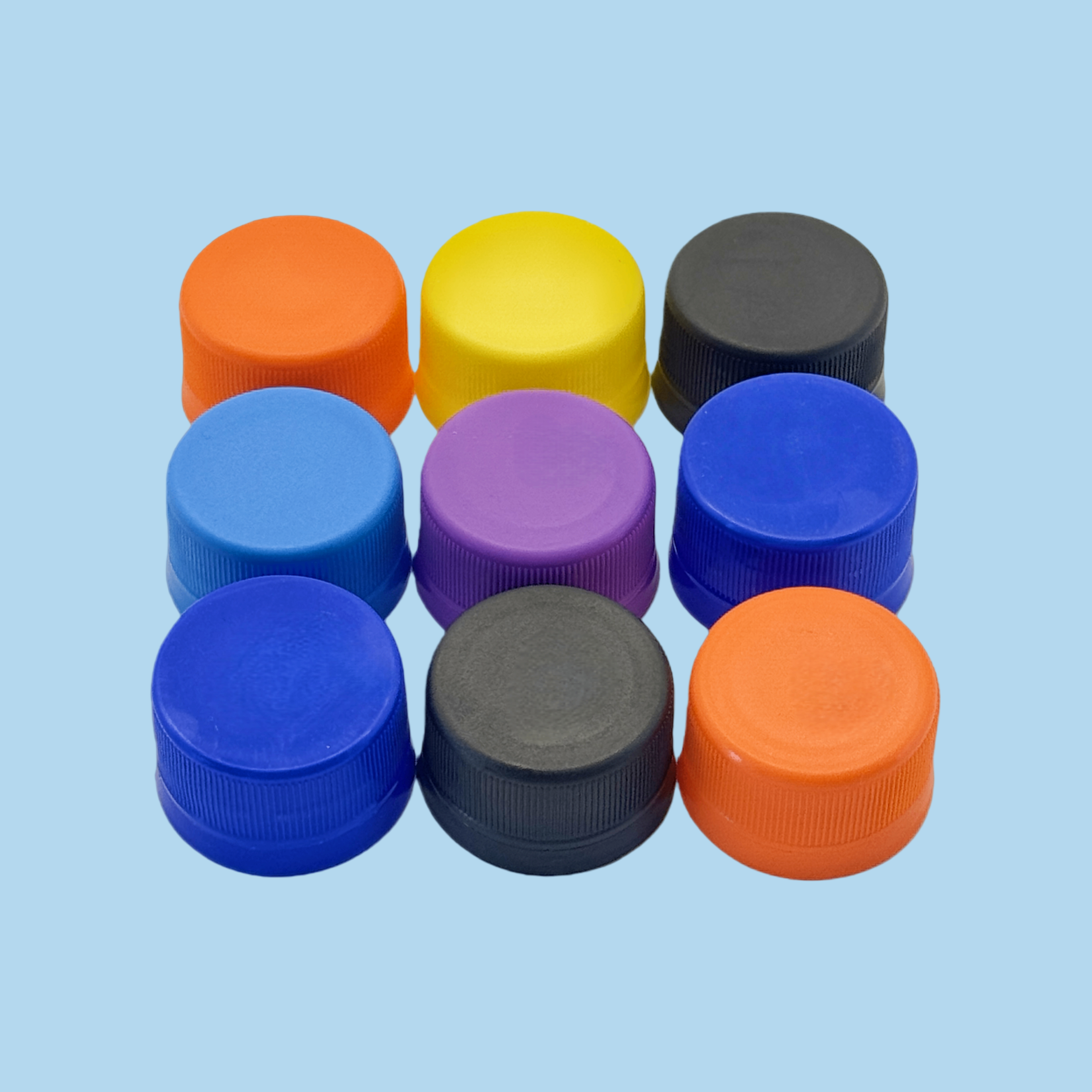
The pco1810 cap represents one of the most widely adopted beverage bottle closures in the global packaging industry, engineered to deliver consistent performance across carbonated and non-carbonated applications. Understanding the technical dimensions of the pco1810 cap is essential for beverage manufacturers, packaging engineers, and procurement specialists who need to ensure compatibility, quality control, and regulatory compliance in their production workflows. The pco1810 cap specification encompasses precise measurements that govern everything from sealing integrity to manufacturing tolerances, making technical accuracy a foundational requirement in bottling operations.
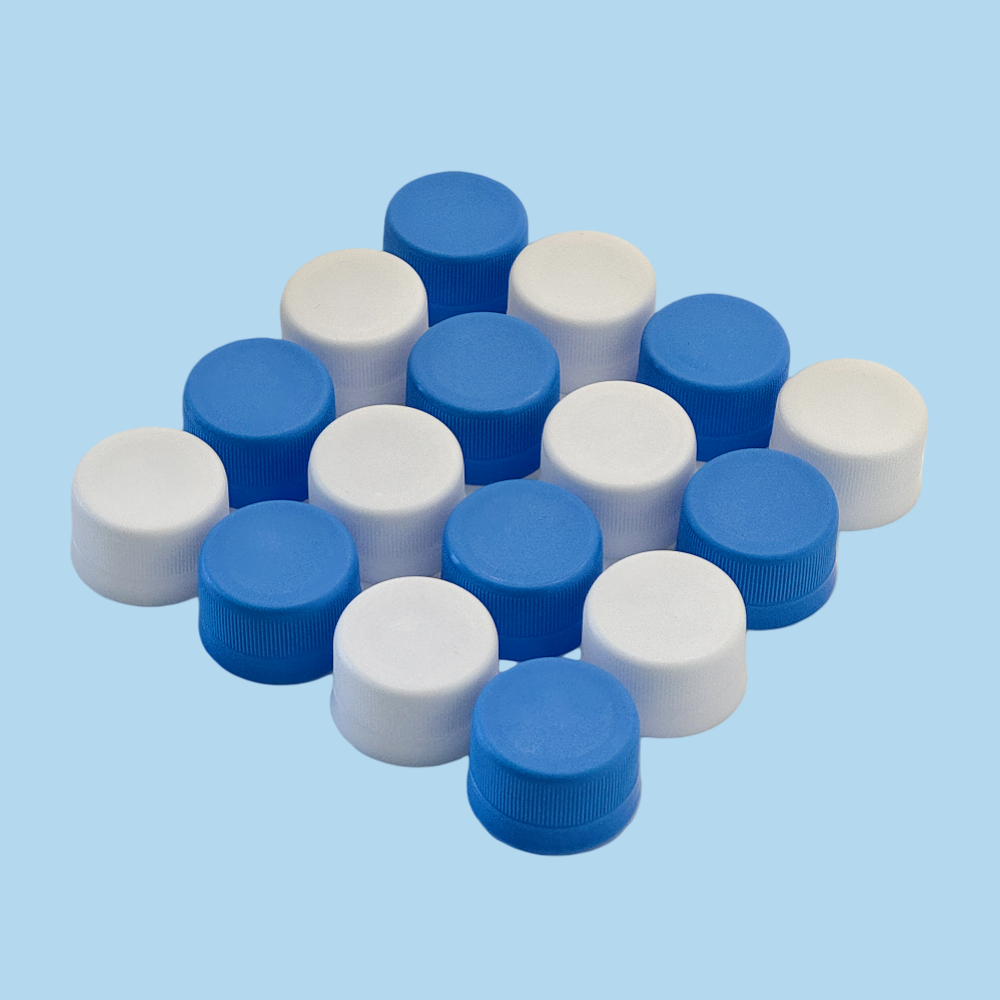
The pco1810 cap operates within a standardized dimensional framework that ensures compatibility across different manufacturing environments and bottle designs. This standardization has made the pco1810 cap the preferred choice for major beverage producers worldwide, as it simplifies procurement, reduces tooling complexity, and improves supply chain efficiency. Whether your facility produces premium beverages, sports drinks, or mass-market carbonated products, the technical dimensions of the pco1810 cap directly impact your production speed, seal quality, and final product performance.
Core Dimensional Specifications of the PCO1810 Cap
Neck Finish Thread Profile and Measurements
The pco1810 cap features a precisely engineered neck finish thread design that creates a secure, consistent seal on compatible bottle necks. The outer diameter of the pco1810 cap neck finish typically measures 28 millimeters, providing a standardized interface that works seamlessly with corresponding bottle neck specifications. The thread pitch of the pco1810 cap is engineered at 2.5 millimeters, ensuring smooth application and removal while maintaining sufficient mechanical engagement for pressure retention during filling and transport operations.
The thread angle and depth specifications of the pco1810 cap are calculated to balance ease of application with resistance to inadvertent loosening during handling. The pco1810 cap design incorporates a tapered thread profile that promotes self-alignment during capping operations, reducing setup time and improving consistency across high-speed bottling lines. These dimensional tolerances are maintained within tight ranges during manufacturing to ensure that every pco1810 cap meets the specified performance standards without variation.
Cap Height and Wall Thickness Parameters
The overall height of the pco1810 cap, measured from the base of the threaded section to the crown, typically falls between 17 and 19 millimeters depending on the specific design variant and material composition. This height specification ensures that the pco1810 cap provides adequate volume for product information labeling, branding graphics, and regulatory compliance markings while maintaining structural integrity under pressure conditions. The wall thickness of the pco1810 cap varies between 1.2 and 1.8 millimeters, depending on the material selected and the pressure requirements of your specific beverage application.
The pco1810 cap design accommodates multiple material options including polyethylene, polypropylene, and specialty polymers, each with distinct dimensional profiles while maintaining compatibility with the core pco1810 cap specification. Thicker wall constructions for the pco1810 cap provide enhanced durability and resistance to deformation under extreme temperature conditions, making them suitable for applications involving hot-fill beverages or extended refrigerated storage. The pco1810 cap wall thickness also influences the sealing force required during capping, directly affecting your production line equipment settings and energy consumption.
Sealing Surface and Gasket Integration in the PCO1810 Cap
Gasket Dimensions and Sealing Integrity
The pco1810 cap incorporates a precision-molded gasket positioned at the base of the internal closure surface, creating a hermetic seal against the bottle rim. The gasket diameter of the pco1810 cap is engineered to contact the bottle neck at a specific pressure point, typically ranging from 18 to 22 millimeters, ensuring complete coverage of the sealing surface without excessive compression that could cause leakage or product contamination. The gasket thickness specification for the pco1810 cap is typically 2.5 to 3.5 millimeters, providing sufficient material to maintain consistent sealing force across millions of cycles without degradation.
The pco1810 cap gasket composition often utilizes ethylene propylene diene monomer (EPDM), polyethylene, or specialty polymer blends that resist chemical degradation from beverage content while maintaining elasticity across temperature ranges from 2 to 50 degrees Celsius. The dimensional stability of the pco1810 cap gasket is critical because any shrinkage, swelling, or deformation directly compromises sealing performance and accelerates product shelf-life degradation. Manufacturers of the pco1810 cap conduct rigorous testing of gasket materials to ensure that dimensional specifications remain stable across storage conditions, manufacturing processes, and real-world application environments.
Bearing Surface and Rim Contact Area
The bearing surface of the pco1810 cap, where the gasket contacts the bottle neck rim, must maintain precise flatness within tolerance ranges of 0.05 to 0.10 millimeters to ensure uniform sealing pressure distribution. The pco1810 cap design incorporates a slightly concave contact surface that guides the gasket into optimal position on the bottle rim, compensating for minor variations in bottle neck manufacturing while preventing edge stress concentration that could cause puncture or leakage. This dimensionally optimized bearing surface makes the pco1810 cap highly forgiving in manufacturing environments where bottle neck precision may vary slightly from theoretical specifications.
The contact area of the pco1810 cap gasket typically spans an annular region measuring approximately 4 millimeters in radial width, creating sufficient sealing area to maintain pressure integrity even if minor contamination or debris is present on the bottle neck surface. The pco1810 cap design allows for minor variations in bottle rim diameter without compromising sealing performance, making this closure specification highly compatible with retrofit applications where bottle neck consistency may be less stringent than new production tooling.
Pressure Retention and Structural Performance of PCO1810 Caps
Internal Pressure Ratings and Safety Margins
The pco1810 cap is engineered to retain internal pressures ranging from 2.0 to 4.5 bar, depending on the specific material selection, wall thickness, and application context of your beverage product. Standard polyethylene variants of the pco1810 cap typically sustain 2.5 to 3.0 bar with adequate safety margins, making them suitable for typical carbonated beverage applications requiring modest CO2 retention. The pco1810 cap specification incorporates design features including a domed crown and reinforced sidewall structure that distribute internal pressure forces evenly, preventing localized stress concentration that could lead to sudden failure or deformation.
The dimensional design of the pco1810 cap includes a slight curve to the internal surface that strengthens the structure under pressure while minimizing the material volume required for safe performance. This efficient structural geometry allows manufacturers of the pco1810 cap to reduce material consumption by 8 to 12 percent compared to less optimized closure designs while maintaining or exceeding pressure ratings. The pco1810 cap engineering approach balances material economy with manufacturing reliability, reducing production costs while maintaining the consistent quality that major beverage brands require.
Thread Engagement Strength and Removal Torque Specifications
The pco1810 cap thread engagement design creates a mechanical interlock with the bottle neck that requires specific removal torque values, typically ranging from 3.0 to 5.5 newton-meters for standard polyethylene variants. The thread pitch and profile geometry of the pco1810 cap ensure that capping torque remains within a narrow range, preventing over-tightening that could strip threads or deform bottle necks while avoiding under-tightening that could result in seal failure. This torque specification makes the pco1810 cap compatible with standard capping equipment found in bottling facilities worldwide, reducing equipment qualification complexity and improving production flexibility.
The dimensional accuracy of the pco1810 cap thread profile directly influences removal torque consistency, as variations in thread pitch, angle, or depth create unpredictable friction forces that complicate production line control. High-precision manufacturing of the pco1810 cap ensures that thread dimensional tolerance remains within specified ranges across all production batches, enabling beverage manufacturers to maintain consistent capping force settings throughout long production runs. The pco1810 cap engineering includes features such as thread relief grooves that reduce stick-slip behavior during application and removal, improving capping speed and reducing equipment wear.
Manufacturing Tolerances and Quality Control Standards for PCO1810 Caps
Dimensional Tolerance Ranges and Acceptance Criteria
The pco1810 cap manufacturing specification establishes dimensional tolerance ranges that ensure compatibility and performance consistency across different production facilities and supply sources. The outer diameter tolerance for the pco1810 cap thread section is typically maintained within ±0.2 millimeters, preventing jamming or loose fit on bottle necks while compensating for normal material shrinkage and molding variation. The pco1810 cap height tolerance of ±0.5 millimeters accommodates reasonable variations in raw material batch properties and injection molding conditions without compromising functional performance or aesthetic appearance.
The wall thickness tolerance for the pco1810 cap is generally specified at ±0.2 millimeters, balancing the need for structural consistency with the practical limitations of injection molding processes and material variability. The pco1810 cap gasket thickness tolerance is often held to tighter ranges of ±0.15 millimeters because gasket performance directly impacts seal integrity and pressure retention across the entire product shelf life. Beverage manufacturers typically verify pco1810 cap compliance through sampling inspection protocols that measure representative dimensional parameters from each production batch.
Testing Protocols and Verification Procedures
The pco1810 cap undergoes standardized testing procedures including pressure retention tests, torque measurement protocols, and dimensional verification checks that confirm conformance to published specifications before shipment to beverage production facilities. Pressure retention testing of the pco1810 cap typically involves application of internal pressure within sealed containers, monitoring for leakage over extended periods that simulate real-world storage and distribution conditions. The pco1810 cap is tested across temperature ranges from minus 10 to plus 60 degrees Celsius to ensure that dimensional stability and sealing performance remain consistent across climatic variations experienced during global distribution.
Torque testing procedures for the pco1810 cap measure both application torque and removal torque, ensuring that the pco1810 cap provides consistent capping characteristics without excessive force requirements that could damage equipment or bottle necks. The pco1810 cap dimensional verification utilizes precision measurement instruments including digital calipers, dial indicators, and specialized gauges that confirm critical parameters within specified tolerance ranges. Quality assurance protocols for the pco1810 cap typically include visual inspection for molding defects, gate marks, and surface finish quality that could compromise aesthetics or functional performance.
Application Compatibility and Bottle Neck Interface Standards
PCO1810 Cap Compatibility with Bottle Neck Specifications
The pco1810 cap is designed for compatibility with bottle necks featuring standard 28-millimeter PCO finish dimensions, making it suitable for use across a broad range of beverage container designs manufactured globally. The pco1810 cap thread profile matches the corresponding bottle neck thread specification, ensuring consistent engagement characteristics regardless of the specific bottle manufacturer or production location. This standardization enables beverage producers to source bottles from multiple suppliers while maintaining confidence that the pco1810 cap will function reliably across all variants.
The pco1810 cap gasket seated on the bottle rim surface creates a seal that accommodates minor variations in bottle rim flatness and diameter, typically within manufacturing tolerance ranges of ±0.3 millimeters. The pco1810 cap design allows for safe application across bottle neck variations that fall within published specification ranges, reducing the need for rigid bottle neck quality control that increases manufacturing costs. This practical compatibility approach makes the pco1810 cap an economical choice for beverage producers seeking to balance closure performance with overall supply chain flexibility.
Material Selection and Dimensional Implications
The pco1810 cap is available in multiple material formulations including virgin polyethylene, recycled polyethylene blends, and polypropylene variants, each exhibiting distinct dimensional characteristics and performance profiles. Polyethylene variants of the pco1810 cap typically exhibit slight dimensional changes over temperature ranges, with thermal expansion coefficients around 80 to 100 micrometers per meter per degree Celsius. The pco1810 cap material selection directly influences gasket compression set characteristics, which determine long-term sealing performance across extended storage periods and temperature cycling conditions.
Polypropylene pco1810 cap variants demonstrate superior resistance to chemical degradation from acidic beverages and alcohol-based products, maintaining dimensional stability and gasket elasticity across product shelf lives extending to 18 months or longer. The pco1810 cap material choice involves trade-offs between raw material cost, environmental sustainability, performance longevity, and compatibility with existing filling equipment. Beverage manufacturers selecting pco1810 cap materials must evaluate how dimensional stability and gasket performance characteristics align with their specific product formulation, storage conditions, and target market requirements.
FAQ
What are the key dimensional parameters of the pco1810 cap?
The pco1810 cap features a 28-millimeter outer diameter thread section, thread pitch of 2.5 millimeters, height ranging from 17 to 19 millimeters, and wall thickness between 1.2 and 1.8 millimeters. The gasket thickness typically measures 2.5 to 3.5 millimeters with a contact diameter of 18 to 22 millimeters. The pco1810 cap maintains outer diameter tolerance of ±0.2 millimeters and height tolerance of ±0.5 millimeters to ensure compatibility across beverage production environments.
How does the pco1810 cap maintain sealing integrity under pressure?
The pco1810 cap incorporates a precision-molded gasket that creates consistent contact pressure across the bottle rim, supported by a reinforced crown structure and optimized thread engagement design. The pco1810 cap gasket composition using EPDM or specialty polymers resists chemical degradation while maintaining elasticity, ensuring reliable sealing across temperature ranges from 2 to 50 degrees Celsius. The pco1810 cap pressure rating of 2.0 to 4.5 bar depends on material selection and wall thickness, with safety margins that accommodate normal variations in beverage carbonation levels and storage conditions.
What material options are available for the pco1810 cap?
The pco1810 cap is manufactured in multiple material formulations including virgin polyethylene, recycled polyethylene blends, and polypropylene variants, each offering distinct advantages for specific applications. Polyethylene pco1810 cap variants provide cost-effective performance for standard carbonated beverages, while polypropylene options deliver superior chemical resistance for acidic or alcohol-based products. The pco1810 cap material selection directly influences thermal stability, gasket compression set characteristics, and long-term sealing performance across extended product shelf lives.
Table of Contents
- Core Dimensional Specifications of the PCO1810 Cap
- Sealing Surface and Gasket Integration in the PCO1810 Cap
- Pressure Retention and Structural Performance of PCO1810 Caps
- Manufacturing Tolerances and Quality Control Standards for PCO1810 Caps
- Application Compatibility and Bottle Neck Interface Standards
- FAQ