
 EN


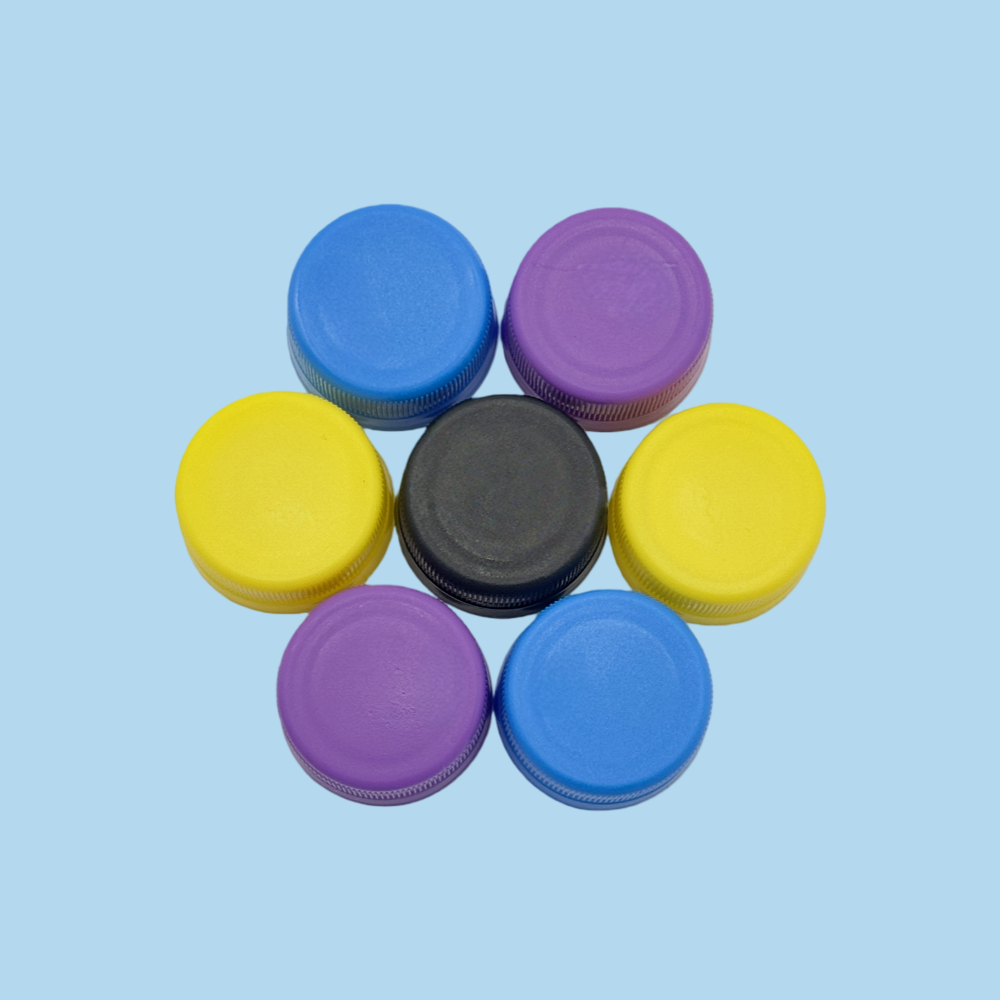
The pco1810 cap has maintained its position as one of the most widely adopted closure solutions in the beverage industry for decades. Despite the emergence of numerous modern alternatives and innovative packaging designs, manufacturers continue to specify the pco1810 cap for their bottling lines, reflecting a deep confidence in its performance and reliability. This enduring preference is not simply a matter of tradition or inertia, but rather a calculated decision based on proven operational benefits, cost-effectiveness, and seamless integration with existing infrastructure. Understanding why the pco1810 cap remains the industry standard reveals important insights about what truly matters in high-speed bottling environments.
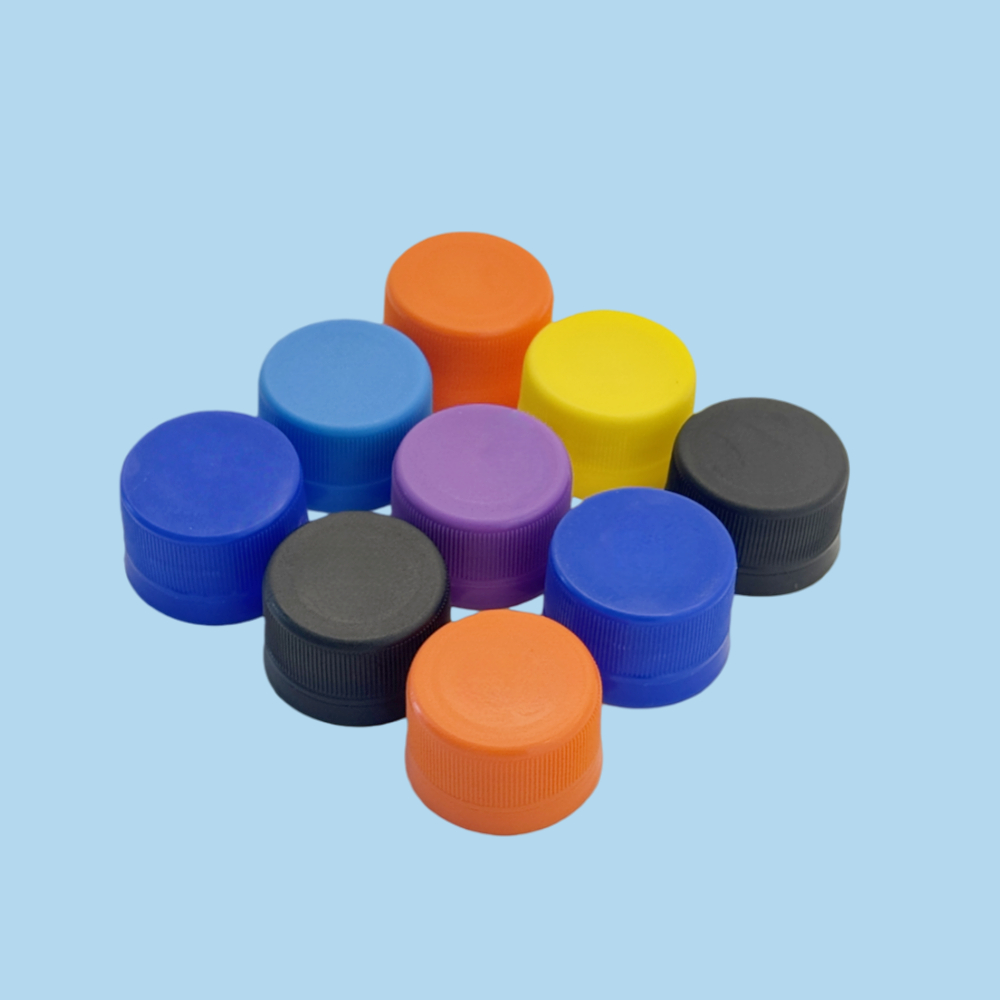
Beverage producers operate under intense pressure to maintain consistency, minimize downtime, and protect product quality from the moment of filling until the consumer opens the bottle. The pco1810 cap delivers on all these fronts, which explains its continued dominance in the market. Bottling facilities that have invested in equipment designed around the pco1810 cap standard gain significant operational advantages, from faster changeover times to reduced tooling costs and predictable performance metrics. The decision to stick with the pco1810 cap is therefore rooted in practical business logic rather than reluctance to innovate.
Universal Compatibility and Proven Integration
Standardized Fit Across Equipment
One of the most compelling reasons manufacturers prefer the pco1810 cap is its universal standardization across the industry. The pco1810 cap thread pattern, diameter, and sealing surface have been established as the de facto standard for plastic beverage bottles, particularly in the water, soft drink, and juice segments. This standardization means that a bottling facility equipped with machines calibrated for the pco1810 cap can source caps from multiple suppliers without requiring equipment reconfiguration or mechanical adjustments. Such flexibility is invaluable in supply chain management, especially during periods of supplier disruption or when volume demands spike unexpectedly. The pco1810 cap's compatibility eliminates the need for costly retooling and reduces the risk of production interruptions caused by closure supply constraints.
Existing Equipment Investment Protection
Bottling lines represent substantial capital investments, often ranging from hundreds of thousands to millions of dollars depending on the production capacity and automation level. These machines are typically designed to work with specific closure formats, and the pco1810 cap has been the industry standard for so long that the majority of installed equipment worldwide is engineered around it. Switching to an alternative closure would require either retrofitting expensive machinery or replacing entire production lines. For most manufacturers, maintaining the pco1810 cap is therefore an economically rational choice that protects their existing infrastructure investment. This explains why even forward-thinking companies that continuously explore new packaging innovations often maintain parallel lines using the pco1810 cap for their core products, preserving the value of their equipment while experimenting cautiously with alternatives.
Superior Performance in High-Speed Operations
Reliability Under Continuous Production
Modern beverage bottling facilities operate at extraordinary speeds, with many lines capping 300 to 1,000 bottles per minute or higher. At such velocities, even minor inconsistencies in cap design or material quality can cascade into significant production problems, including misalignment, cross-threading, incomplete seals, and mechanical jams that force costly line stoppages. The pco1810 cap has been refined through decades of high-speed production experience, resulting in a design that handles rapid capping cycles with exceptional consistency. The pco1810 cap's geometry, threading profile, and material specifications are optimized for the precise timing and mechanical tolerances demanded by automated capping equipment. Manufacturers have observed that the pco1810 cap generates fewer rejects per million units than many newer alternatives, directly translating to improved overall equipment effectiveness and reduced labor costs associated with quality control and line maintenance.
Consistent Sealing Performance
Beverage products must maintain their integrity throughout the distribution chain, from bottling facility through retail shelves to consumer hands. The pco1810 cap provides proven sealing performance that protects against carbonation loss, contamination, and product degradation. The cap's liner technology and compression mechanics have been validated across countless real-world scenarios involving temperature fluctuations, humidity variations, and extended shelf storage. This track record of reliable sealing is particularly critical for carbonated beverages, which face rapid performance degradation if seal integrity is compromised. Bottling facilities can confidently guarantee product shelf life when using the pco1810 cap, avoiding the product recalls and customer dissatisfaction that can result from inadequate closure performance. The consistency of the pco1810 cap across different production batches also simplifies quality assurance, allowing manufacturers to focus resources on other aspects of product safety and compliance.
Economic Advantages and Supply Chain Stability
Cost Efficiency and Scale
The pco1810 cap benefits from enormous economies of scale, as billions of units are manufactured annually by a global network of specialized suppliers. This massive production volume has driven manufacturing costs down to levels that alternative closures struggle to match, even when accounting for potential efficiency improvements. For beverage manufacturers, the pco1810 cap offers an unbeatable cost per unit, which directly impacts profit margins on low-margin products like water and standard soft drinks. Additionally, the pco1810 cap's dominance means that cap manufacturers have invested heavily in automation and quality control systems specifically designed for pco1810 cap production, resulting in exceptional efficiency and consistency. When a manufacturer evaluates the total cost of ownership for closures, including material costs, delivery logistics, quality assurance, and equipment maintenance, the pco1810 cap frequently emerges as the most economical choice. This economic advantage becomes even more pronounced for high-volume producers who can negotiate favorable pricing based on their purchasing power.
Supplier Diversity and Supply Security
Because the pco1810 cap is the global standard, numerous qualified manufacturers produce the pco1810 cap across different regions and countries. This supply diversity provides beverage producers with critical resilience against supply disruptions, as they can quickly shift production to alternative suppliers if their primary source experiences problems. The competitive landscape for pco1810 cap manufacturing also ensures that suppliers continuously improve quality and efficiency to maintain market share, benefiting all customers through better service and pricing. In contrast, proprietary or niche closure formats depend on a limited supplier base, leaving manufacturers vulnerable to supply interruptions, sudden price increases, and quality variations. The pco1810 cap's established market position means that producers can source reliable, cost-effective closures from established manufacturers with proven track records, reducing procurement risk and complexity. This supply chain stability is particularly important for large beverage producers who operate on razor-thin margins and cannot afford production delays caused by closure shortages.
FAQ
What makes the pco1810 cap different from other beverage bottle closures?
The pco1810 cap is defined by its standardized 28mm diameter, specific thread pitch, and liner compression profile that create a reliable seal for plastic beverage bottles. What distinguishes the pco1810 cap from alternatives is its universal industry adoption, which means virtually all existing bottling equipment is engineered to work with it. This standardization, combined with decades of refinement and optimization, makes the pco1810 cap uniquely suited to high-speed production environments where consistency and reliability are paramount. The pco1810 cap is not necessarily technologically superior to every alternative, but rather represents the proven choice that minimizes risk and maximizes compatibility across the global beverage industry.
Can bottling facilities switch away from the pco1810 cap without equipment modifications?
Switching from the pco1810 cap to a different closure format typically requires significant equipment modifications or complete line replacement, depending on the specific alternative being considered. Most bottling equipment is mechanically optimized for the pco1810 cap's dimensions and threading characteristics, and changing to an incompatible closure would necessitate retooling capping heads, conveyors, and quality inspection systems. For this reason, many manufacturers maintain the pco1810 cap on their core production lines while potentially testing alternative closures on smaller or dedicated test lines. The economic burden of equipment modification generally outweighs any potential benefits from alternative closures, explaining why the pco1810 cap remains so prevalent even as innovation continues in other areas of packaging.
Is the pco1810 cap suitable for all types of beverages?
The pco1810 cap is broadly suitable for non-carbonated and carbonated beverages, including water, juice, soft drinks, sports drinks, and many other liquid products. The pco1810 cap's sealing performance has been validated for products requiring extended shelf life and protection against environmental exposure. However, certain specialized beverages with extreme pH levels, aggressive solvents, or unusual storage requirements may benefit from alternative closure systems specifically designed for those conditions. For the vast majority of mainstream beverage applications, the pco1810 cap provides reliable performance at an unbeatable cost, which explains its continued preference among producers of high-volume products targeted at mass markets.