
 EN


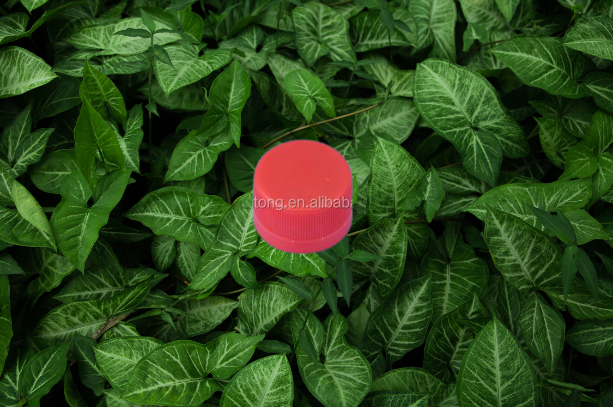
Carbonation is the lifeblood of fizzy beverages, and preserving it depends entirely on one critical component: the carbonated beverage cap. Whether you're producing soft drinks, sparkling water, energy drinks, or craft sodas, the quality of your carbonated beverage cap directly determines how long your product maintains its signature fizz, taste, and consumer appeal. A poor-quality carbonated beverage cap allows CO2 to escape, leading to product degradation, customer dissatisfaction, and significant revenue loss. Understanding why investing in a high-quality carbonated beverage cap matters is essential for any beverage manufacturer or distributor.
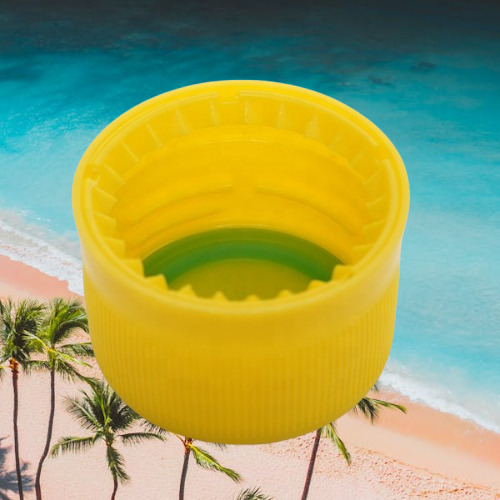
The carbonated beverage cap serves far more than a simple sealing function. It is an engineered solution designed to withstand internal pressure, maintain an airtight seal, resist chemical degradation from carbonated liquids, and protect product integrity throughout its shelf life. When manufacturers cut corners on carbonated beverage cap quality, they risk expensive product recalls, brand reputation damage, and loss of consumer trust. This article explores the critical role of a high-quality carbonated beverage cap in preventing CO2 loss and maintaining product excellence.
Understanding CO2 Loss and Its Business Impact
How CO2 Escapes from Inadequate Caps
CO2 loss occurs when a carbonated beverage cap fails to create a perfect seal between the bottle neck and the liquid inside. Even microscopic gaps, worn threads, or degraded sealing surfaces allow pressurized CO2 gas to escape over time. Low-quality carbonated beverage cap materials become brittle, warp under pressure, or develop micro-fractures that serve as escape routes for carbonation. The internal pressure inside a carbonated beverage bottle can range from 30 to 60 PSI, depending on the beverage type and carbonation level. A substandard carbonated beverage cap cannot withstand this constant pressure, leading to gradual CO2 loss that begins immediately after bottling.
Economic and Quality Consequences
Losing CO2 through a poor carbonated beverage cap has severe business consequences. Consumers expect consistent fizz and taste from their first sip until the last drop. A flat or under-carbonated beverage triggers negative reviews, refund requests, and lost repeat purchases. For manufacturers, this means accelerated product returns, negative social media exposure, and reduced market share. A compromised carbonated beverage cap also increases the risk of product contamination, as a faulty seal may allow external bacteria or oxygen to enter the bottle, accelerating spoilage and creating food safety concerns. The cost of a premium carbonated beverage cap is negligible compared to the expense of product recalls, litigation, and brand rehabilitation.
Key Features of a High-Quality Carbonated Beverage Cap
Material Composition and Durability
Premium carbonated beverage cap designs use food-grade polypropylene (PP) or similar materials engineered to resist chemical attack from acidic and carbonated beverages. The carbonated beverage cap must maintain its structural integrity when exposed to citric acid, phosphoric acid, and other common beverage ingredients. Quality manufacturing processes ensure consistent wall thickness, proper molding, and absence of defects that could compromise sealing performance. A reliable carbonated beverage cap will not yellow, become brittle, or develop stress cracks over time. Material selection also determines temperature tolerance—a high-quality carbonated beverage cap maintains its sealing properties across refrigerated storage, room-temperature distribution, and hot-fill scenarios if applicable.
Pressure Resistance and Seal Integrity
The seal design of a carbonated beverage cap is where engineering precision becomes critical. A superior carbonated beverage cap incorporates a multi-layer sealing system with a pressure-resistant gasket or liner that creates an airtight bond with the bottle neck. This carbonated beverage cap design must accommodate both the upward pressure from internal CO2 and the mechanical forces applied during capping and transport. Thread design is equally important—sharp, precisely-cut threads on the carbonated beverage cap prevent loosening due to vibration, thermal fluctuations, or mechanical shock. Advanced carbonated beverage cap designs include anti-tamper features such as breakable bands or shrink-wrap compatibility, adding another layer of consumer confidence and regulatory compliance.
Selecting and Implementing the Right Carbonated Beverage Cap Solution
Matching Cap Specifications to Your Beverage Type
Different beverages require different carbonated beverage cap specifications. A carbonated beverage cap for soft drinks with higher carbonation levels must handle greater internal pressure than a carbonated beverage cap for lightly sparkling water. Bottle neck dimensions, threading standards (28mm long-neck, 26mm standard, and others), and overall bottle design all influence which carbonated beverage cap is appropriate. The carbonated beverage cap must also be compatible with your existing capping machinery—speed, torque settings, and gripper compatibility all affect capping efficiency and seal quality. Consulting with your carbonated beverage cap supplier to verify compatibility with your specific bottle geometry and production parameters is essential before full-scale implementation.
Testing, Quality Assurance, and Shelf-Life Validation
Before launching a new carbonated beverage cap in production, rigorous testing is non-negotiable. Accelerated shelf-life studies measure CO2 retention rates over weeks and months, simulating real-world storage conditions. Pressure decay testing quantifies how much carbonation a sealed bottle with your carbonated beverage cap loses over defined time periods. Burst-pressure testing ensures your carbonated beverage cap can withstand overpressure scenarios without leaking or rupturing. Chemical compatibility testing confirms that your specific beverage formulation does not degrade the carbonated beverage cap material. Quality manufacturers conduct ongoing audits, batch testing, and traceability documentation to ensure every carbonated beverage cap meets specifications. This commitment to process control and data-driven verification is what separates premium carbonated beverage cap suppliers from commodity alternatives.
FAQ
What is the typical shelf life of a product sealed with a high-quality carbonated beverage cap?
A well-designed carbonated beverage cap on a properly bottled carbonated beverage should maintain carbonation levels within acceptable parameters for 12 to 18 months under standard storage conditions (cool, dry environment away from direct sunlight). The exact shelf life depends on storage temperature, initial carbonation level, bottle material, and the specific carbonated beverage cap design. Warm storage or exposure to temperature fluctuations accelerates CO2 loss, even with a premium carbonated beverage cap. Manufacturers should conduct shelf-life studies specific to their product and storage conditions to establish accurate expiration dates and quality guarantees.
Can a carbonated beverage cap be reused or recycled?
Most modern carbonated beverage caps are designed for single use only, as the sealing integrity of the gasket or liner deteriorates after the first opening. Reusing a carbonated beverage cap on the same bottle or a different bottle risks seal failure and CO2 loss, making the product unsafe for consumption. However, the plastic material of a carbonated beverage cap is fully recyclable through standard plastic recycling programs. Many regions now require carbonated beverage cap manufacturers to design caps that remain attached to bottles to improve recycling rates and prevent littering. Always follow local recycling guidelines and manufacturer instructions regarding proper disposal of used carbonated beverage caps.
What are tamper-evident features and why do they matter in a carbonated beverage cap?
Tamper-evident features on a carbonated beverage cap are safety mechanisms that visually show whether a bottle has been opened or compromised. Common designs include breakable bands, color-change liners, or shrink-bands that tear when the carbonated beverage cap is first removed. These features comply with food safety regulations and provide consumers with visual assurance that their product is sealed and uncontaminated. A reliable carbonated beverage cap with tamper-evident design protects your brand, reduces liability, and demonstrates commitment to product safety—critical factors in today's consumer-conscious marketplace.