
 EN
EN


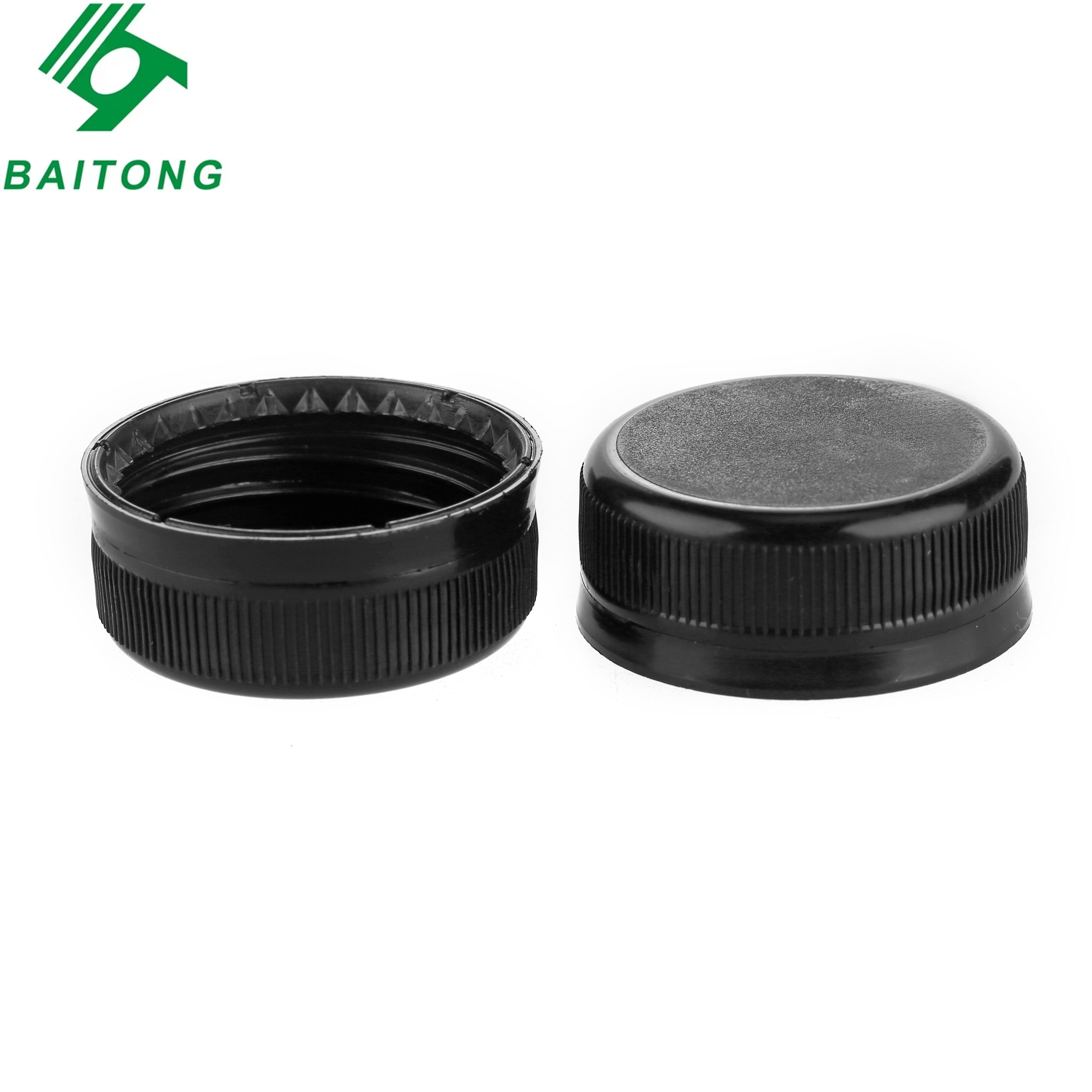
The carbonated beverage cap represents a critical engineering component that extends far beyond simple sealing. Modern carbonated beverages contain dissolved carbon dioxide at pressures significantly above atmospheric conditions, creating unique safety and engineering challenges. The carbonated beverage cap must balance multiple functional requirements simultaneously: maintaining hermetic seals, controlling internal pressure, preventing leakage, and ensuring consumer safety. Understanding how these caps manage pressure through sophisticated release mechanisms reveals why proper design and material selection matter so much in the beverage industry.
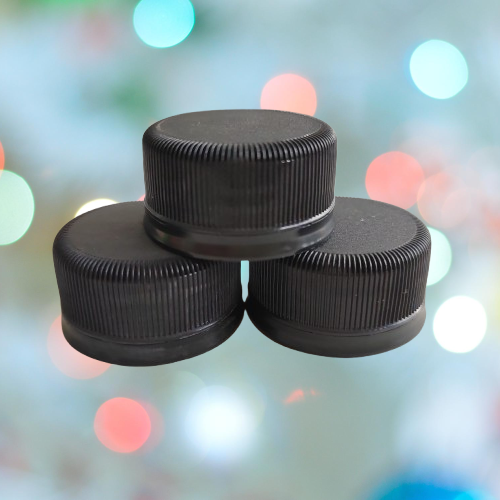
A carbonated beverage cap functions as the primary barrier preventing pressurized contents from escaping or becoming contaminated. The pressure inside a carbonated beverage bottle typically ranges from 30 to 60 pounds per square inch, depending on product type, storage temperature, and carbonation levels. Without proper pressure management, bottles risk catastrophic failure, creating safety hazards and product loss. The carbonated beverage cap incorporates specialized internal mechanisms that allow controlled venting when pressure exceeds safe thresholds while maintaining integrity during normal distribution and storage.
Understanding Pressure Dynamics in Carbonated Beverages
Internal Pressure Development
Carbonation creates internal pressure through dissolved carbon dioxide gas that seeks to escape. Temperature fluctuations significantly impact this pressure: warmer environments increase molecular activity, raising internal pressure within the carbonated beverage cap containment zone. During manufacturing, the carbonated beverage cap is applied when bottles are filled with carbonated liquid, trapping pressurized contents. The carbonated beverage cap must withstand these variable conditions throughout the product lifecycle, from manufacturing facilities to retail shelves to consumer refrigerators.
The relationship between temperature and pressure follows predictable thermodynamic principles. A carbonated beverage cap protecting a bottle stored at room temperature experiences different stress levels than the same product stored in heated warehouses or sun-exposed display cases. Manufacturing specifications for a carbonated beverage cap account for these temperature ranges, ensuring that pressure relief mechanisms activate only when genuinely dangerous conditions develop, not during normal storage variations.
Consumer Safety Considerations
Bottle rupture represents the primary safety risk when a carbonated beverage cap fails to manage pressure adequately. Failing bottles can explode with force capable of causing injury, particularly if fragments contact eyes or faces. A properly engineered carbonated beverage cap prevents such incidents through graduated pressure relief rather than sudden failure. This design approach protects consumers, reduces liability exposure for beverage manufacturers, and maintains product quality throughout distribution chains.
Beyond individual safety, a carbonated beverage cap failure can create spillage that damages surrounding products or retail displays. The carbonated beverage cap must therefore demonstrate reliable performance across millions of units, maintaining consistent quality control and precision manufacturing to meet stringent industry standards.
Pressure Release Mechanisms in Carbonated Beverage Caps
Valve Design and Operation
Modern carbonated beverage caps incorporate specialized internal valves that respond to pressure changes without compromising the seal under normal conditions. These valves typically use spring-loaded mechanisms or elastomer check valves positioned within the carbonated beverage cap structure. When internal pressure exceeds a predetermined threshold, typically 60 to 75 PSI, the valve opens slightly to release excess gas. The carbonated beverage cap valve then re-seats as pressure normalizes, preventing continuous gas escape or contamination entry.
The engineering precision required for a carbonated beverage cap pressure valve is substantial. Manufacturing tolerances measured in fractions of a millimeter determine whether the valve opens too easily, releasing carbonation prematurely, or fails to open when needed. Quality control processes verify that each carbonated beverage cap batch maintains exact specifications, ensuring consistent behavior across production runs and geographic markets.
Material Properties and Pressure Resistance
A carbonated beverage cap requires materials capable of withstanding sustained internal pressure without degradation. Food-grade polypropylene and similar engineered plastics provide the necessary strength-to-weight ratio, chemical resistance, and temperature stability. The carbonated beverage cap material must resist stress cracking from chemical exposure to carbonated beverages while maintaining elasticity to accommodate pressure fluctuations. Additives and reinforcement fibers within the carbonated beverage cap material matrix enhance its structural integrity without compromising food safety compliance.
Material selection for a carbonated beverage cap also considers environmental factors. UV exposure during storage and transportation can degrade certain plastics, reducing pressure resistance capacity over time. Premium carbonated beverage cap manufacturers incorporate UV stabilizers and protective additives that maintain material properties throughout typical product shelf lives, which range from 6 to 18 months depending on product category and distribution networks.
Quality Standards and Performance Verification
Testing Requirements for Carbonated Beverage Caps
Industry standards require comprehensive testing protocols to verify that a carbonated beverage cap performs reliably. Pressure vessel testing simulates worst-case scenarios, filling bottles to maximum carbonation levels and exposing them to temperature extremes that might occur in distribution. The carbonated beverage cap must maintain integrity through these stress tests without leaking or failing. Standardized test methods measure burst pressure, leak rate, and valve response time, ensuring that production runs meet minimum performance thresholds.
Accelerated aging tests evaluate how a carbonated beverage cap performs after extended storage periods. Chemical immersion studies confirm that carbonated beverage contents do not degrade the cap material or compromise seal integrity. These comprehensive testing programs ensure that a carbonated beverage cap maintains safety and functionality throughout its intended use period, protecting both consumers and manufacturers from liability risks.
Regulatory Compliance Framework
A carbonated beverage cap must comply with food safety regulations in every market where carbonated beverages are distributed. The U.S. FDA, European Commission, and comparable regulatory bodies establish specific requirements for food contact materials and pressure vessel containment. The carbonated beverage cap manufacturer must provide documentation proving that materials meet safety standards and that manufacturing processes maintain consistent quality. Traceability systems track each carbonated beverage cap production batch, enabling rapid response if quality issues emerge during distribution or consumer use.
International harmonization efforts increasingly standardize carbonated beverage cap requirements across major markets, simplifying manufacturing operations for global beverage companies. A carbonated beverage cap designed to meet stringent international standards typically exceeds minimum requirements in any single market, providing manufacturers with flexibility in sourcing and supply chain management.
FAQ
How does a carbonated beverage cap prevent bottle explosion?
A carbonated beverage cap prevents bottle explosion through its integrated pressure relief valve, which opens at safe pressure thresholds to release excess carbon dioxide gas. This graduated response prevents pressure buildup from reaching levels where bottle rupture could occur. The valve re-seats automatically as pressure normalizes, maintaining the seal integrity needed to preserve carbonation and prevent contamination. Regular manufacturing quality control ensures that each carbonated beverage cap valve activates reliably when needed.
What temperature range can a carbonated beverage cap withstand?
A carbonated beverage cap can typically withstand temperatures ranging from freezing conditions to approximately 140°F, depending on the specific material formulation and valve design. Temperature fluctuations during storage and transportation create varying internal pressures, and the carbonated beverage cap must accommodate these changes without valve malfunction. Manufacturers engineer carbonated beverage caps to maintain safety margins across typical distribution environments, from cold storage facilities to warehouse conditions to consumer home refrigerators.
Why is leakproofing important for a carbonated beverage cap?
Leakproofing is essential because the carbonated beverage cap must maintain both the carbonation and product safety throughout its shelf life. A carbonated beverage cap that leaks allows carbon dioxide to escape, resulting in flat, undesirable products that disappoint consumers. Additionally, leaks can allow airborne contaminants to enter the bottle, compromising product safety and quality. Modern carbonated beverage cap designs achieve superior leakproofing through precision threading, advanced gasket materials, and multi-layer sealing configurations that maintain integrity under pressure.