
 EN
EN


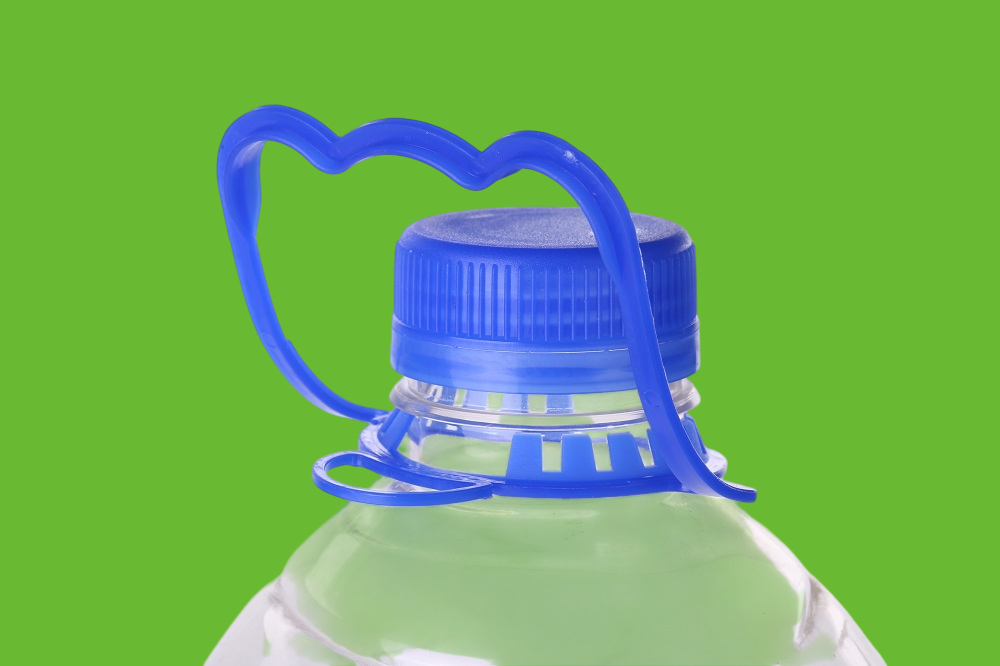
Heavy-duty plastic packaging requires components that withstand rigorous handling, transport, and storage conditions. A bottle handle is one of the most critical elements in this equation, directly impacting user experience, product safety, and operational efficiency. For manufacturers and distributors sourcing wholesale solutions, selecting the right bottle handle can reduce damage rates, improve customer satisfaction, and lower overall packaging costs. This guide explores how wholesale bottle handle options serve industrial-scale operations and what factors drive selection decisions in the heavy-duty packaging sector.

The demand for reliable bottle handle solutions continues to grow as industries ranging from chemicals, lubricants, and detergents to food and beverage increasingly rely on portable, durable packaging. Wholesale bottle handle suppliers now offer specialized designs that balance strength, ergonomics, and cost efficiency for high-volume orders. Understanding the available bottle handle configurations and material options enables procurement teams to match solutions with specific weight capacities, environmental conditions, and brand positioning requirements.
Structural Design and Material Specifications for Bottle Handle Systems
Load-Bearing Capacity and Reinforcement
A bottle handle must support the full weight of the container plus product contents without deformation or failure. Wholesale bottle handle designs typically incorporate reinforced ribs, extended walls, and strategic thickness variations to achieve high load ratings. Injection-molded bottle handle systems use engineering-grade plastics such as polypropylene, high-density polyethylene, or polystyrene to ensure consistent performance across large production runs. The bottle handle attachment points require particular attention, as stress concentrations at the weld or clip junction frequently determine overall durability. Industrial-scale operations demand bottle handle solutions that maintain integrity under repeated gripping, temperature fluctuations, and chemical exposure.
Ergonomic Profile and User Interface
The grip profile directly influences how end users interact with the product and affects perceived quality. Wholesale bottle handle suppliers now offer textured surfaces, contoured shapes, and finger-rest indentations that enhance control and reduce hand fatigue during extended use. A well-designed bottle handle distributes pressure across the palm and fingers, minimizing strain even when handling heavy containers. For commercial applications, this ergonomic dimension becomes increasingly important because workers may handle hundreds of units daily. Customizable bottle handle profiles allow brands to differentiate their products while maintaining production efficiency and cost predictability in bulk orders.
Material Selection and Environmental Durability
Chemical and Temperature Resistance
Wholesale bottle handle applications must often withstand exposure to oils, solvents, detergents, UV radiation, and extreme temperatures. High-quality bottle handle materials resist embrittlement in cold storage, warping under heat, and degradation from chemical contact. Polypropylene-based bottle handle systems excel in these conditions, offering excellent resistance to most industrial chemicals while maintaining flexibility and impact strength. For applications involving aggressive substances, specialized bottle handle formulations with stabilizers and reinforcing agents provide extended service life. Procurement specialists selecting wholesale bottle handle solutions should verify material compatibility through technical data sheets and real-world compatibility testing.
Sustainability and Recycling Considerations
Modern packaging regulations increasingly favor recyclable materials, making bottle handle sustainability a procurement consideration. Most wholesale bottle handle products use mono-material plastics that integrate seamlessly into existing recycling streams, reducing landfill burden. A bottle handle designed for easy separation from the primary container facilitates recycling processes and aligns with circular economy principles. Some manufacturers now offer post-consumer recycled content in their bottle handle lines, allowing purchasers to strengthen sustainability credentials without sacrificing performance. This combination of durability and recyclability makes modern bottle handle solutions increasingly attractive for environmentally conscious brands operating at wholesale scale.
Production Processes and Cost Optimization
Injection Molding Standards and Consistency
Wholesale bottle handle manufacturing relies on precision injection molding to achieve consistent quality across large production volumes. Advanced tooling ensures that each bottle handle meets dimensional tolerances, weight specifications, and appearance standards with minimal variation. Multi-cavity molds accelerate production cycles, allowing suppliers to deliver wholesale bottle handle orders on predictable timelines while maintaining unit-level cost efficiency. Quality control protocols verify bottle handle wall thickness, gate locations, and attachment strength before shipment. This standardization provides wholesale buyers with confidence that each bottle handle performs reliably in field conditions, reducing returns and complaints.
Customization and Minimum Order Quantities
Wholesale bottle handle suppliers typically offer color matching, logo integration, and dimension modifications to align with brand specifications. Minimum order quantities vary based on customization complexity, but most wholesale operations begin at 5,000 to 10,000 units per specification. A bottle handle custom design may require tooling investment, which is absorbed across the order volume to maintain competitive unit pricing. Suppliers leverage economies of scale to offset design and setup costs, making wholesale bottle handle purchases increasingly accessible to mid-market producers. Transparent pricing structures help procurement teams forecast packaging costs and negotiate favorable payment terms for large recurring orders.
Performance Verification and Quality Standards
Testing Methodologies and Industry Compliance
Professional bottle handle suppliers conduct tensile strength tests, drop impact simulations, and load-failure analysis to verify performance under real-world stress. These bottle handle tests quantify burst loads, fatigue resistance, and failure modes, providing data that informs design iterations. Industry standards such as ISO specifications and ASTM protocols establish baseline requirements that wholesale bottle handle products must exceed. Third-party certification adds credibility and reduces buyer risk, particularly in regulated sectors such as food contact or hazardous materials handling. A bottle handle backed by transparent test reports and quality certifications builds confidence throughout the supply chain and reduces liability exposure for downstream users.
Batch Traceability and Supply Chain Transparency
Wholesale bottle handle operations increasingly implement lot tracking, material documentation, and manufacturing records to ensure full traceability. This bottle handle documentation supports rapid response to quality issues and enables targeted recalls if contamination or defects emerge. Suppliers maintain material certs, processing parameters, and quality audit trails for every bottle handle batch, supporting compliance with food safety, chemical, and pharmaceutical regulations. Digital traceability systems now link batch identifiers to specific production dates, equipment usage, and operator assignments, enhancing accountability. This level of documentation is particularly valuable for wholesale buyers operating in regulated industries where supply chain transparency directly impacts regulatory standing.
FAQ
What factors should I consider when selecting a wholesale bottle handle supplier?
When evaluating wholesale bottle handle suppliers, prioritize material certifications, load capacity documentation, production capacity, and minimum order flexibility. Request samples that mirror your final production specifications, and conduct compatibility testing with your specific product chemistry. Verify that the bottle handle supplier maintains quality management systems, provides detailed test reports, and offers responsive customer support for production issues. Compare pricing on a per-unit basis across multiple bottle handle suppliers, but avoid selecting solely on lowest cost—quality inconsistency often generates field failures and brand damage exceeding modest cost savings.
Can bottle handle designs be customized for specific brand requirements?
Yes, most wholesale bottle handle manufacturers offer customization including color matching, embossed or printed logos, dimension modifications, and grip texture variations. Custom bottle handle tooling typically requires additional lead time and minimum order commitments, but suppliers increasingly offer rapid prototyping to validate designs before full production launches. Discuss bottle handle customization early in procurement planning to align timelines and budget requirements. Work with suppliers who provide detailed technical drawings and 3D renderings of custom bottle handle designs, allowing thorough review before tool investment.
How do I ensure wholesale bottle handle products meet safety and regulatory requirements?
Request documentation confirming that wholesale bottle handle materials comply with relevant regulations for your intended market, such as FDA food contact approvals, chemical resistance standards, or hazardous materials handling requirements. Third-party test reports validating bottle handle load capacity, chemical compatibility, and temperature performance provide objective evidence of regulatory alignment. Establish clear specifications in purchase contracts, requiring that each bottle handle batch include material certificates and quality test results. Maintain regular communication with your bottle handle supplier regarding any regulatory changes affecting material formulation or manufacturing processes, ensuring ongoing compliance throughout the supply relationship.