
 EN
EN


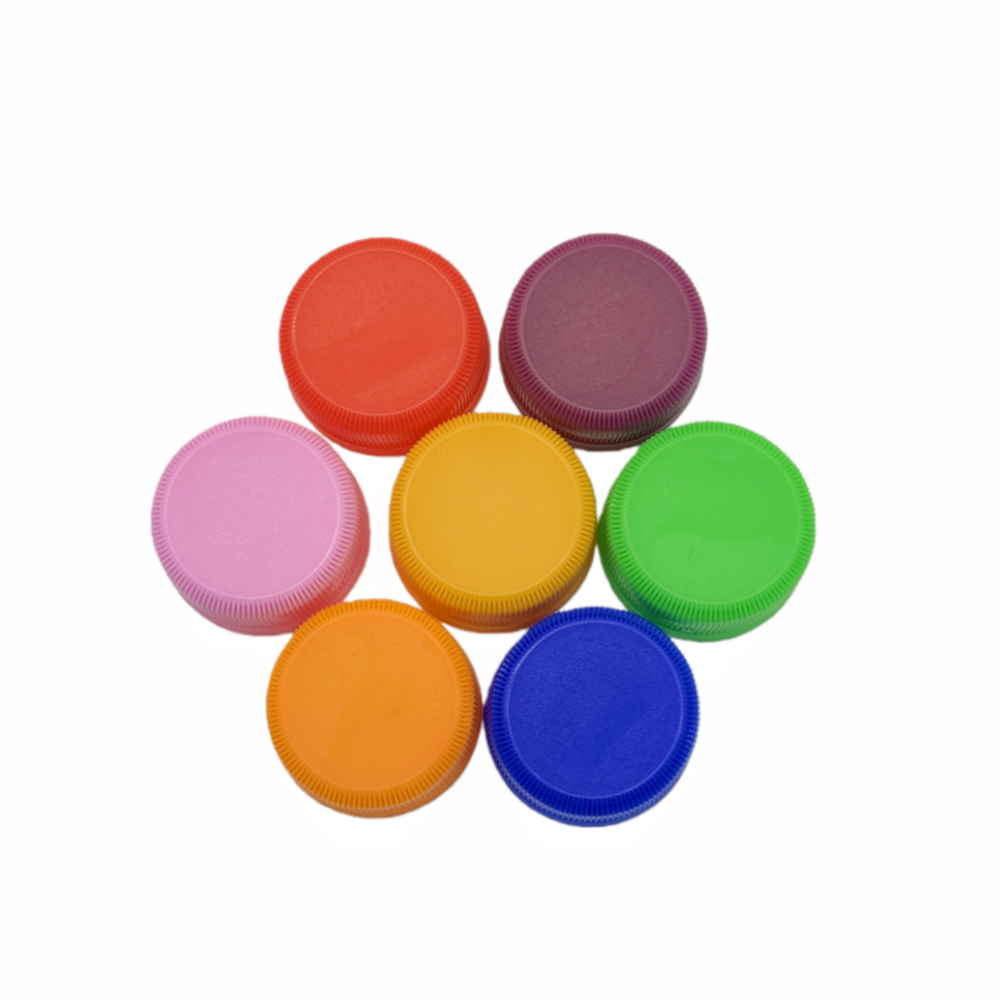
The packaging industry is experiencing a significant shift in how carbonated beverage caps are designed and manufactured. Lightweighting has become one of the most influential trends reshaping the carbonated beverage cap market, driven by sustainability goals, cost pressures, and regulatory demands. Modern producers are rethinking the carbonated beverage cap to use less material without compromising the seal quality or pressure retention that carbonated products require. This evolution represents a fundamental change in how the industry approaches both environmental responsibility and manufacturing efficiency.
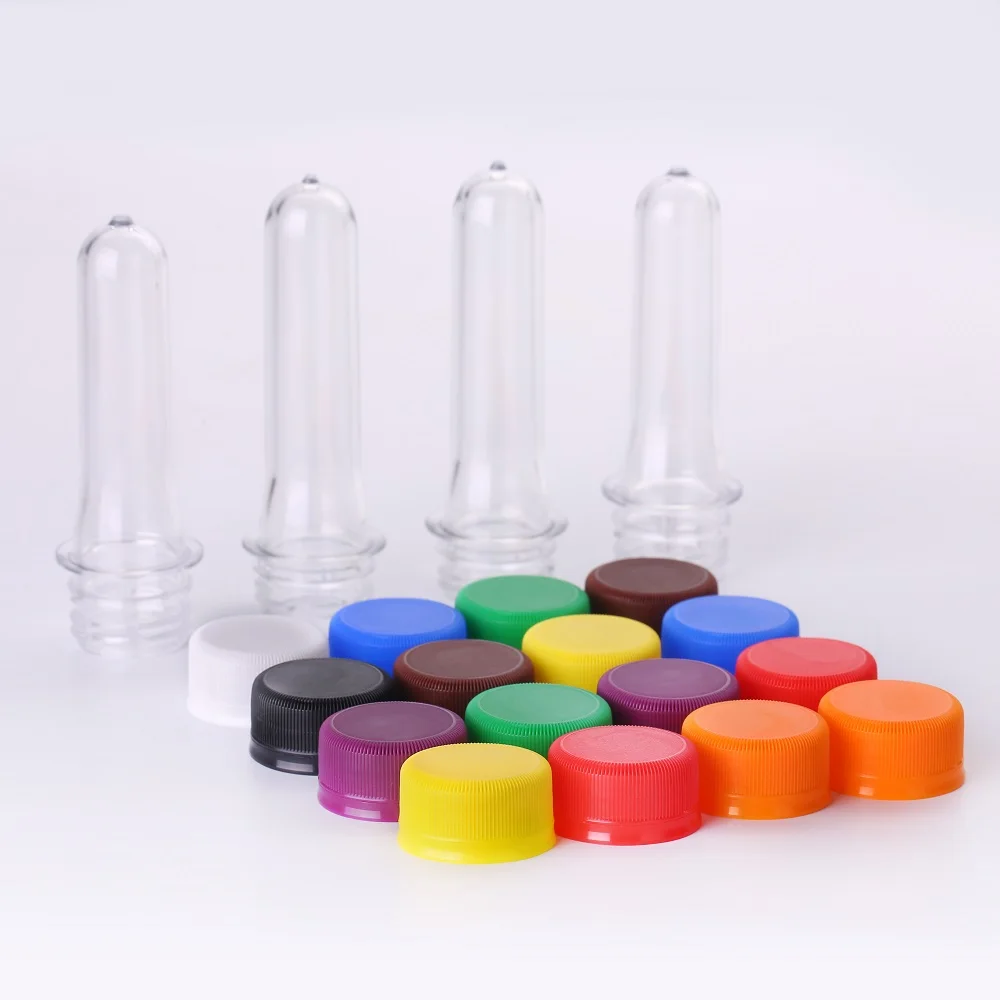
Understanding the trend toward lightweighting carbonated beverage cap solutions reveals deeper insights into packaging innovation. Brands and manufacturers recognize that a carbonated beverage cap serves as both a functional barrier and a marketing touchpoint. The lightweighting movement does not simply mean making caps thinner; it involves strategic material science, advanced molding techniques, and precision engineering to ensure that each carbonated beverage cap performs reliably under high internal pressure while using substantially less plastic.
The Business Case for Lightweighting Carbonated Beverage Cap Design
Cost Reduction and Raw Material Savings
Lightweighting a carbonated beverage cap directly impacts production costs and supply chain economics. When manufacturers reduce the weight of each carbonated beverage cap by even one or two grams, the cumulative savings across millions of units become substantial. Lower material consumption means reduced raw material procurement, lower transportation costs for cap suppliers, and more efficient inventory management. A carbonated beverage cap that weighs less requires fewer resources to produce, and those savings can be passed along the supply chain, creating competitive advantages for bottlers and brand owners.
Environmental and Regulatory Alignment
Regulatory bodies across North America, Europe, and Asia are increasingly mandating plastic reduction targets. A lighter carbonated beverage cap directly supports corporate sustainability commitments and helps brands meet extended producer responsibility (EPR) requirements. The carbonated beverage cap industry has recognized that lightweighting is not optional but essential for long-term compliance. Brands marketing their carbonated beverages now highlight reduced packaging waste, and a carbonated beverage cap that uses less material becomes a tangible proof point in sustainability narratives.
Technical Innovation in Carbonated Beverage Cap Lightweighting
Material Science and Resin Selection
The carbonated beverage cap must withstand pressures of 3 to 4 atmospheres or higher, depending on carbonation levels and product type. Traditional carbonated beverage cap materials relied on thicker polypropylene (PP) to achieve this strength. Modern approaches use advanced resin blends and engineered polymers that provide superior strength-to-weight ratios. These materials allow a carbonated beverage cap to maintain its structural integrity while using less overall volume. Suppliers now offer specialized resin grades optimized specifically for lightweight carbonated beverage cap applications, enabling manufacturers to reduce wall thickness by 15 to 25 percent without performance loss.
Precision Molding and Design Optimization
Creating a high-performance carbonated beverage cap with reduced material requires advanced injection molding techniques and sophisticated design simulation. Engineers use finite element analysis (FEA) to model stress distribution across the carbonated beverage cap under pressure. These simulations reveal which areas of the cap can be safely thinned and which must maintain thickness for seal integrity. A carbonated beverage cap design may incorporate ribs, undercuts, or variable wall thickness to distribute stress more efficiently. This level of precision means a carbonated beverage cap can be 20 to 30 percent lighter while actually improving reliability and consistency in manufacturing.
Market Adoption and Industry Response
Brand Commitment to Lightweighting
Major beverage brands have publicly committed to reducing packaging weight, including carbonated beverage cap specifications. These commitments drive innovation throughout the supply chain, as cap manufacturers respond to requests for lighter designs that still meet performance standards. The carbonated beverage cap suppliers competing for major brand contracts now prioritize lightweighting capabilities as a core competitive differentiator. Many leading bottlers have already transitioned to lightweight carbonated beverage cap options, reporting material reductions of 15 to 25 percent per unit without any increase in defect rates or customer complaints.
Supply Chain Standardization Efforts
Industry associations and standards bodies are working to define acceptable lightweighting ranges for carbonated beverage caps. The carbonated beverage cap standards must balance innovation with safety, ensuring that lighter caps still provide the barrier protection and tamper evidence that consumers and regulators expect. Standardization helps carbonated beverage cap manufacturers invest confidently in new equipment and processes. As consensus grows around carbonated beverage cap specifications for lightweight designs, adoption accelerates and costs decline further, creating a positive feedback loop that benefits the entire industry.
FAQ
How much weight can be reduced from a carbonated beverage cap through lightweighting?
A carbonated beverage cap can typically be reduced by 15 to 30 percent through lightweighting. The exact reduction depends on the current design, material composition, and performance requirements. Most manufacturers achieve 2 to 4 grams of weight reduction per carbonated beverage cap, which translates to significant material and cost savings at scale. Advanced engineering and material science make these reductions possible without sacrificing the seal integrity or pressure retention that carbonated beverages demand.
Does a lighter carbonated beverage cap compromise seal quality or product shelf life?
No, when engineered properly, a lightweight carbonated beverage cap maintains or even improves seal performance. Modern carbonated beverage cap designs use precision molding, optimized material blends, and stress-distribution strategies to ensure that reduced material does not compromise function. Independent testing shows that a well-designed lightweight carbonated beverage cap achieves equivalent or better oxygen and CO2 barrier performance compared to heavier traditional designs. The key is working with experienced carbonated beverage cap manufacturers who understand the relationship between design, material, and performance.
What are the financial implications of switching to lightweight carbonated beverage caps?
Switching to a lightweight carbonated beverage cap reduces material costs, transportation expenses, and raw material waste. While initial tooling investment may be required to develop a new carbonated beverage cap mold, these costs are typically recovered within months through ongoing material savings. A carbonated beverage cap that uses less plastic also reduces landfill burden and supports sustainability goals, which can enhance brand reputation. For large-scale producers, the cumulative savings from a lighter carbonated beverage cap across annual production volumes justify the engineering and investment required.