
 EN
EN


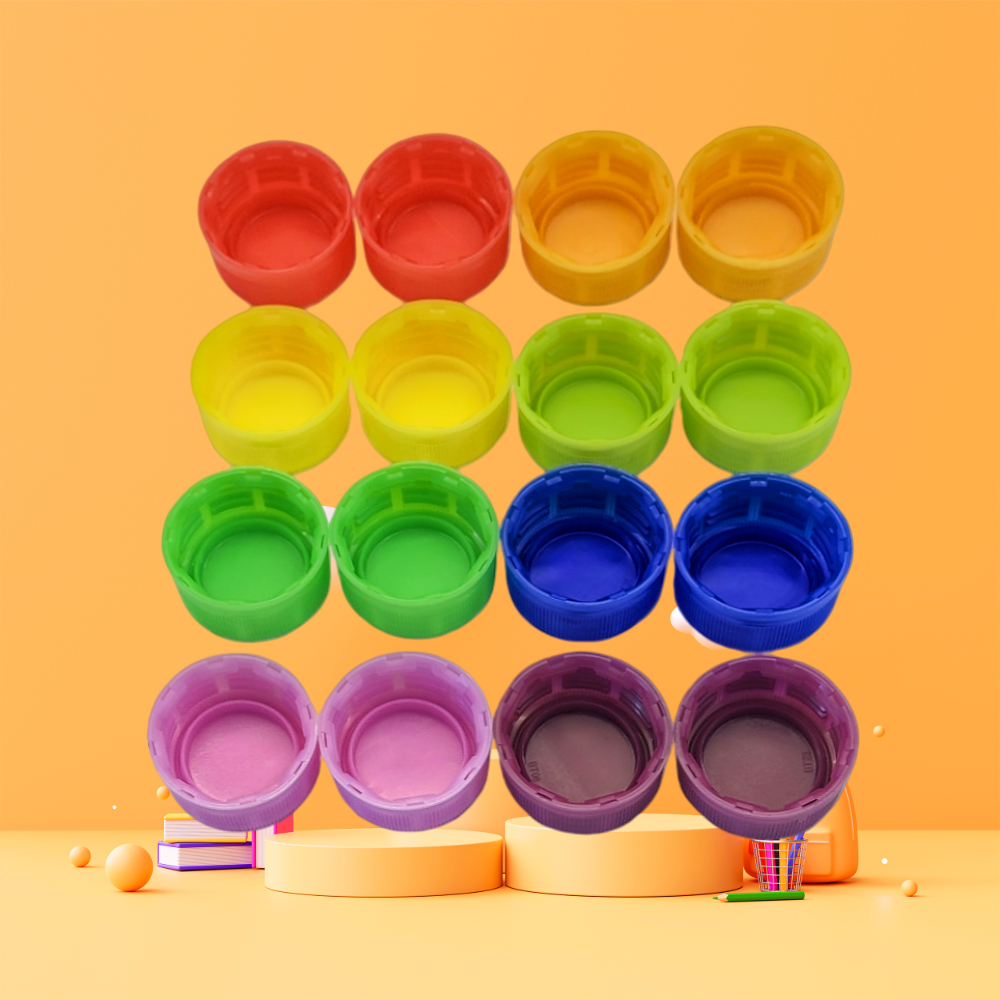
The carbonated beverage cap represents one of the most critical components in the soft drink and sparkling water industries. A carbonated beverage cap must balance multiple engineering demands: maintaining internal pressure, preventing leakage, resisting corrosion from carbonated liquids, and ensuring consumer safety through tamper-evident features. Italian Sacmi lines have become the global standard for producing carbonated beverage caps that meet these exacting requirements. These sophisticated production systems combine mechanical precision, material science, and quality control protocols that distinguish premium carbonated beverage caps from standard alternatives.
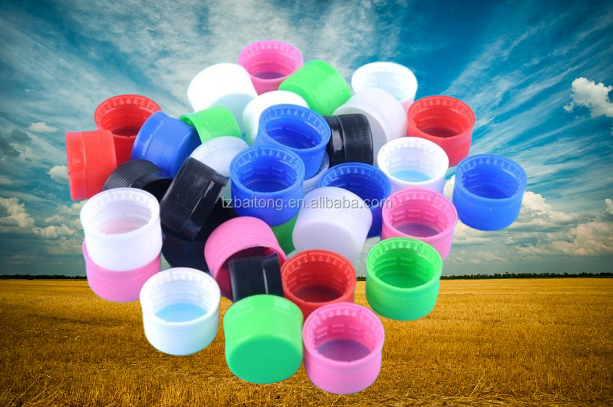
Sacmi, an Italian machinery manufacturer with over seventy years of industrial heritage, specializes in designing and building production equipment for closure systems. The company's expertise in carbonated beverage cap manufacturing stems from deep collaboration with global beverage brands that demand consistency, reliability, and compliance with international food safety standards. Understanding how Sacmi lines produce carbonated beverage caps provides manufacturers and decision-makers with valuable insight into what separates premium caps from basic alternatives in today's competitive beverage market.
Engineering Standards in Carbonated Beverage Cap Production
Pressure Resistance and Material Selection
Carbonated beverages generate significant internal pressure, often exceeding 3 to 4 bar within sealed containers. A carbonated beverage cap must withstand this pressure without deformation, leakage, or failure. Sacmi production lines utilize polypropylene (PP) and advanced co-polymer materials specifically engineered for pressure retention. The material selection process begins with rigorous testing protocols that simulate real-world storage conditions, temperature fluctuations, and shelf-life scenarios. Italian manufacturers recognize that a carbonated beverage cap's structural integrity depends not only on initial material quality but also on the precision molding process that creates uniform wall thickness and optimal sealing surfaces.
Injection Molding Precision
Sacmi's injection molding systems for carbonated beverage cap production operate with tolerances measured in hundredths of millimeters. This precision directly influences whether a carbonated beverage cap will perform reliably across millions of units. The molding process incorporates multiple cavities, allowing simultaneous production of dozens or hundreds of caps per cycle. Italian engineering ensures consistent cooling rates, gate positioning, and pressure profiles that prevent common defects such as sink marks, warping, or incomplete fill patterns. Each carbonated beverage cap emerging from Sacmi equipment undergoes dimensional verification to confirm it meets strict geometric specifications that guarantee proper seating on bottle threads.
Quality Control and Compliance in Carbonated Beverage Cap Manufacturing
Automated Inspection Systems
Modern Sacmi lines integrate sophisticated vision systems that inspect every carbonated beverage cap for visual defects, dimensional accuracy, and closure functionality. These automated inspection stations can detect minute surface irregularities, color inconsistencies, and deviations in cap diameter or height that human inspectors would miss. The carbonated beverage cap inspection process happens at production speeds exceeding 300 caps per minute, ensuring that defective units are automatically rejected before packaging. Italian manufacturers have invested heavily in machine learning algorithms that improve detection accuracy over time, adapting to variations in lighting and material appearance while maintaining zero tolerance for caps that fail pressure or leak tests.
Food-Grade Certification and Regulatory Compliance
Every carbonated beverage cap produced on Sacmi equipment must comply with food contact material regulations including FDA Title 21 CFR Part 177, EU Regulation 10/2011, and similar standards across major markets. The production process incorporates material traceability systems that document the origin, batch numbers, and chemical composition of all polypropylene feedstock used in carbonated beverage cap manufacturing. Sacmi facilities maintain comprehensive documentation of production parameters, quality test results, and compliance certifications. This level of regulatory rigor ensures that each carbonated beverage cap meets not only functional requirements but also stringent food safety standards that protect consumer health and brand reputation.
Tamper-Evidence and Consumer Safety Features
Integration of Tamper-Evident Bands
A modern carbonated beverage cap incorporates tamper-evident features that provide visual confirmation of product integrity before purchase or consumption. Sacmi production lines apply band-style tamper-evident elements during the injection molding process, creating a carbonated beverage cap with integral security features that cannot be separated or reused. The tamper band remains connected to the main cap body through precisely engineered stress points that break cleanly when first opened. Italian engineers have refined this design through years of real-world testing, ensuring that the carbonated beverage cap's tamper-evident feature functions reliably across storage temperatures, humidity levels, and distribution conditions while remaining easy for consumers to remove.
Sealing Surface Geometry and Pressure Performance
The carbonated beverage cap's internal sealing surface must achieve a hermetic seal with the bottle neck, creating an airtight barrier that preserves carbonation levels throughout the product's shelf life. Sacmi's design and manufacturing process creates carbonated beverage cap sealing geometries optimized for specific bottle thread formats, including 28mm long-neck and standard industry sizes. The seal design incorporates dual contact zones that distribute sealing pressure evenly, reducing stress concentration and extending cap reusability without degradation. Testing demonstrates that a properly manufactured carbonated beverage cap maintains its sealing integrity through thousands of seal-break cycles, supporting both consumer convenience and commercial dishwashing applications in food service environments.
Technical Specifications and Performance Standards
Dimensional Tolerances and Thread Engagement
Carbonated beverage cap production on Sacmi lines maintains dimensional tolerances within ±0.1mm for critical thread dimensions and sealing surface geometry. This precision allows consistent thread engagement with bottle necks, preventing cross-threading, over-tightening, or incomplete sealing. The carbonated beverage cap's thread pitch, depth, and helix angle are engineered to meet ISO 8139 standards for beverage closure systems. Italian quality control processes measure thread engagement force, confirming that each carbonated beverage cap seats smoothly while providing sufficient grip to prevent accidental loosening during transportation, display, and consumer handling. The result is a carbonated beverage cap that performs identically whether produced in the first hour of a production run or the last.
Material Properties and Environmental Performance
The carbonated beverage cap must maintain structural properties across a wide temperature range, from refrigerated storage below 4°C to distribution environments exceeding 40°C. Sacmi's material specifications ensure that polypropylene used in carbonated beverage cap production resists stress cracking from exposure to common contaminants and shelf conditions. The carbonated beverage cap also resists absorption of moisture or CO2, preventing material swelling or dimensional drift that could compromise sealing performance. Independent testing confirms that Sacmi-produced caps maintain their pressure resistance, dimensional stability, and appearance after simulated shelf life storage, supporting carbonated beverage producers' confidence in consistent product protection and consumer satisfaction across global markets.
FAQ
What makes Italian Sacmi production systems superior for carbonated beverage cap manufacturing?
Italian Sacmi lines combine decades of engineering expertise, precision machinery, and rigorous quality control protocols specifically developed for carbonated beverage cap production. The carbonated beverage cap manufacturing process on Sacmi equipment incorporates advanced injection molding technology, automated vision inspection, and traceability systems that ensure every cap meets strict functional and regulatory standards. Sacmi's focus on pressure resistance, dimensional accuracy, and food-grade compliance distinguishes their carbonated beverage cap production from standard molding operations.
How does a carbonated beverage cap maintain its sealing integrity under pressure?
A carbonated beverage cap's sealing performance depends on precise thread geometry, optimized contact surface design, and consistent material properties engineered into every unit. Sacmi manufacturing ensures that the carbonated beverage cap achieves dual-zone sealing contact that distributes pressure evenly across the bottle neck interface. The polypropylene material resists stress relaxation and creep under sustained pressure, allowing the carbonated beverage cap to maintain an airtight seal throughout the product's shelf life, typically 12 to 24 months depending on storage conditions and carbonation levels.
What regulatory standards apply to carbonated beverage cap production?
Carbonated beverage cap production must comply with FDA Title 21 CFR Part 177 for food contact materials, EU Regulation 10/2011 for European markets, and similar standards in other regions. The carbonated beverage cap must also meet ISO 8139 standards for beverage closure systems and may be subject to additional specifications from individual beverage brands. Sacmi facilities maintain comprehensive documentation of material sourcing, production parameters, and compliance testing for every carbonated beverage cap batch, ensuring traceability and regulatory verification across global distribution channels.