Premium Juice Cap Manufacturer - Custom Bottle Closures & Packaging Solutions

Get a Free Quote

Our representative will contact you soon.
Email
Phone/Whatsapp
Company Name/Name
Message
0/1000

juice cap manufacturer

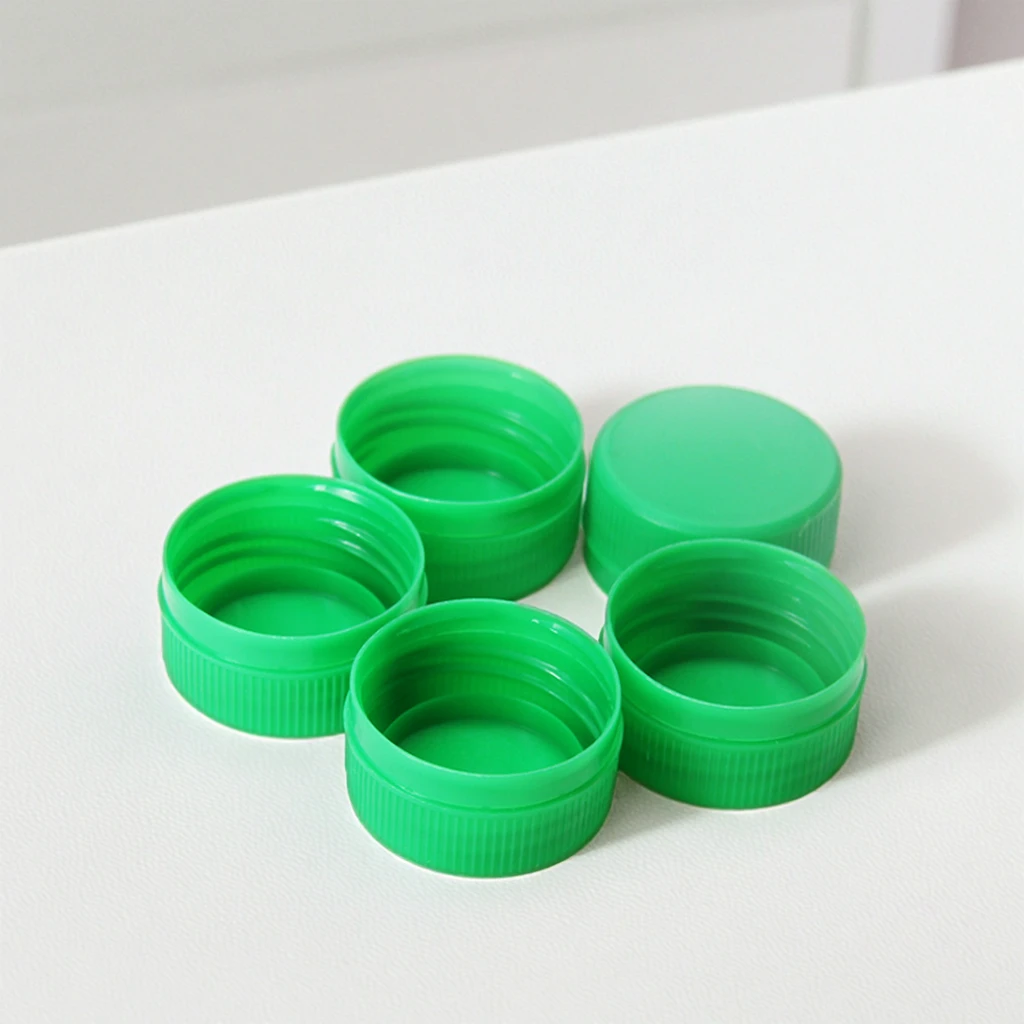
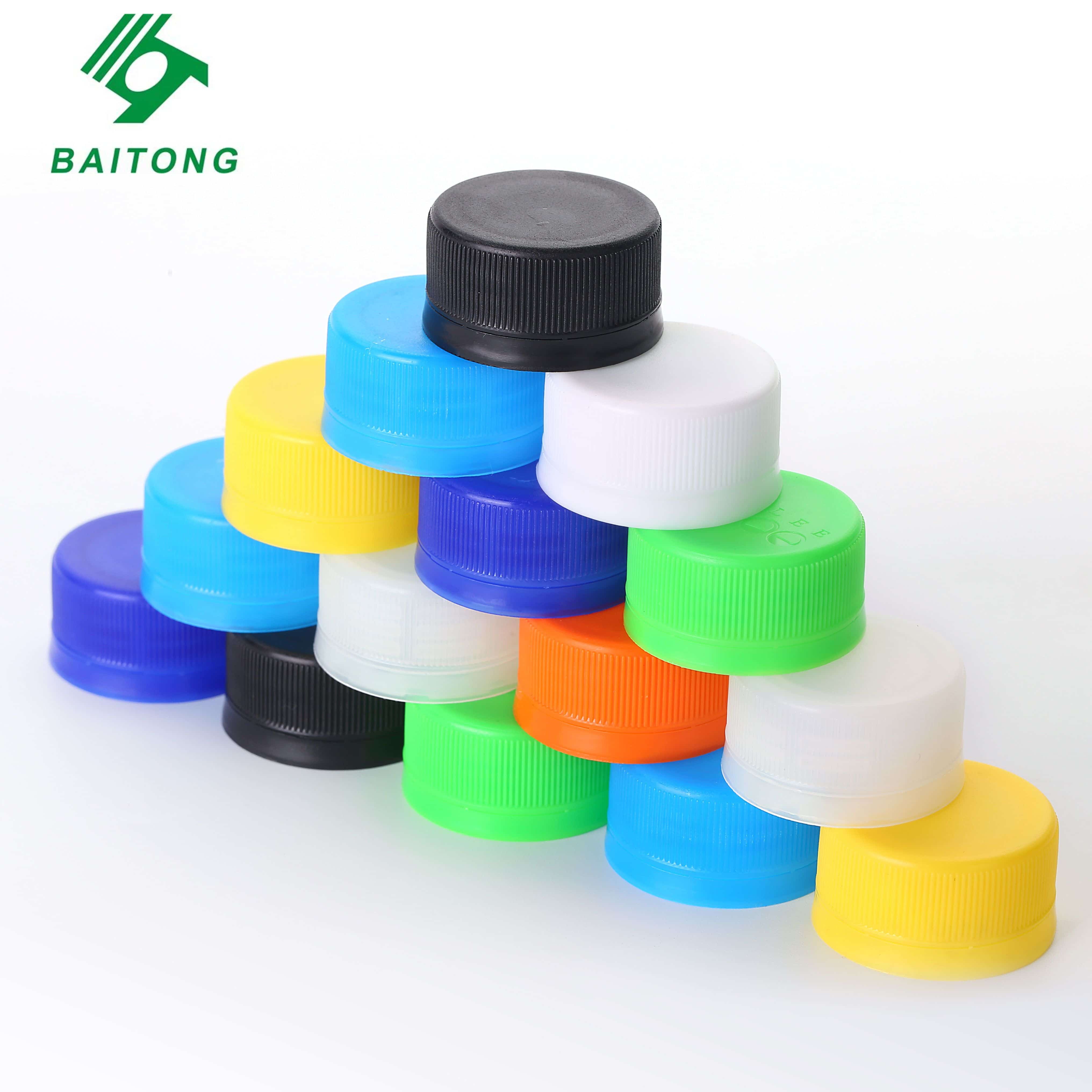
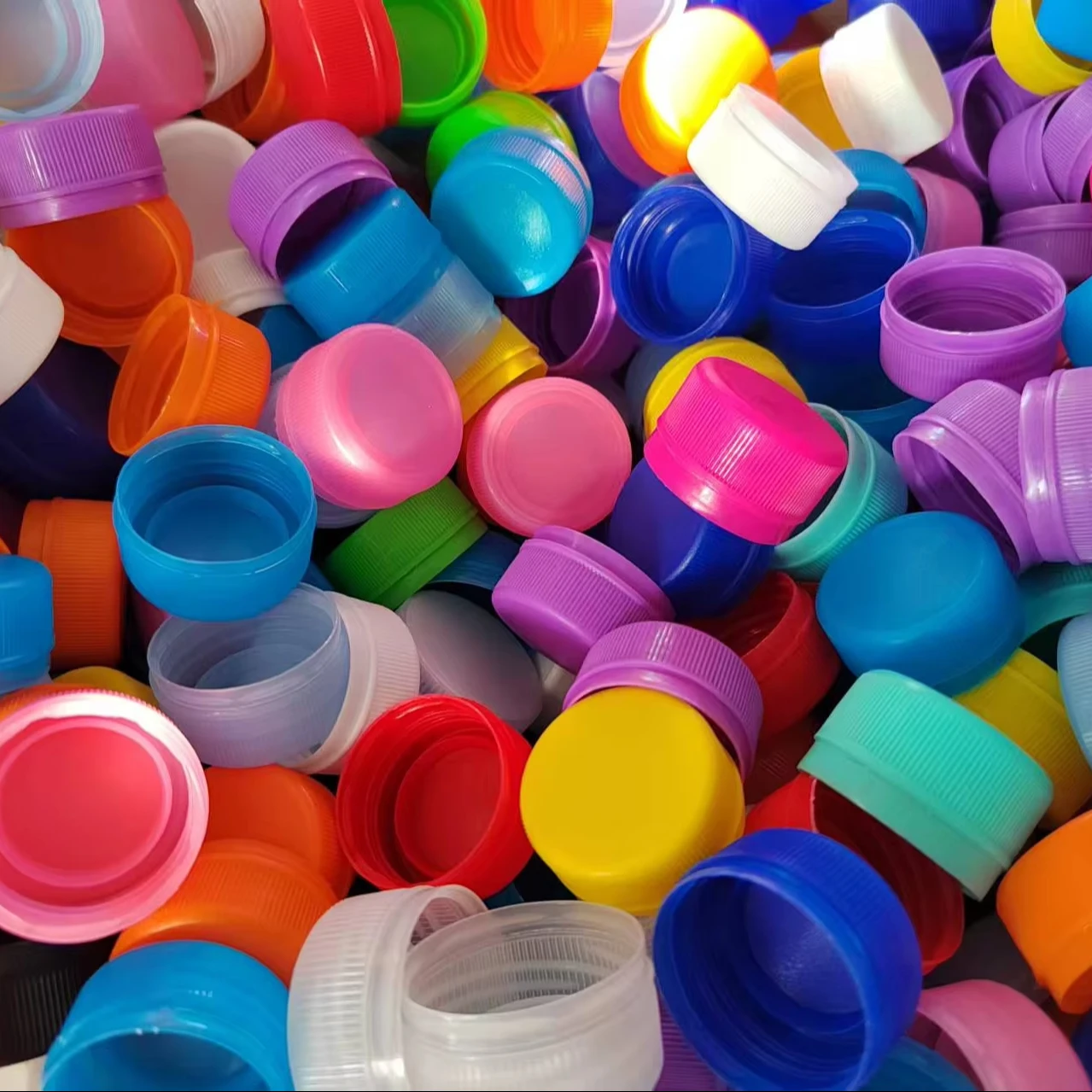
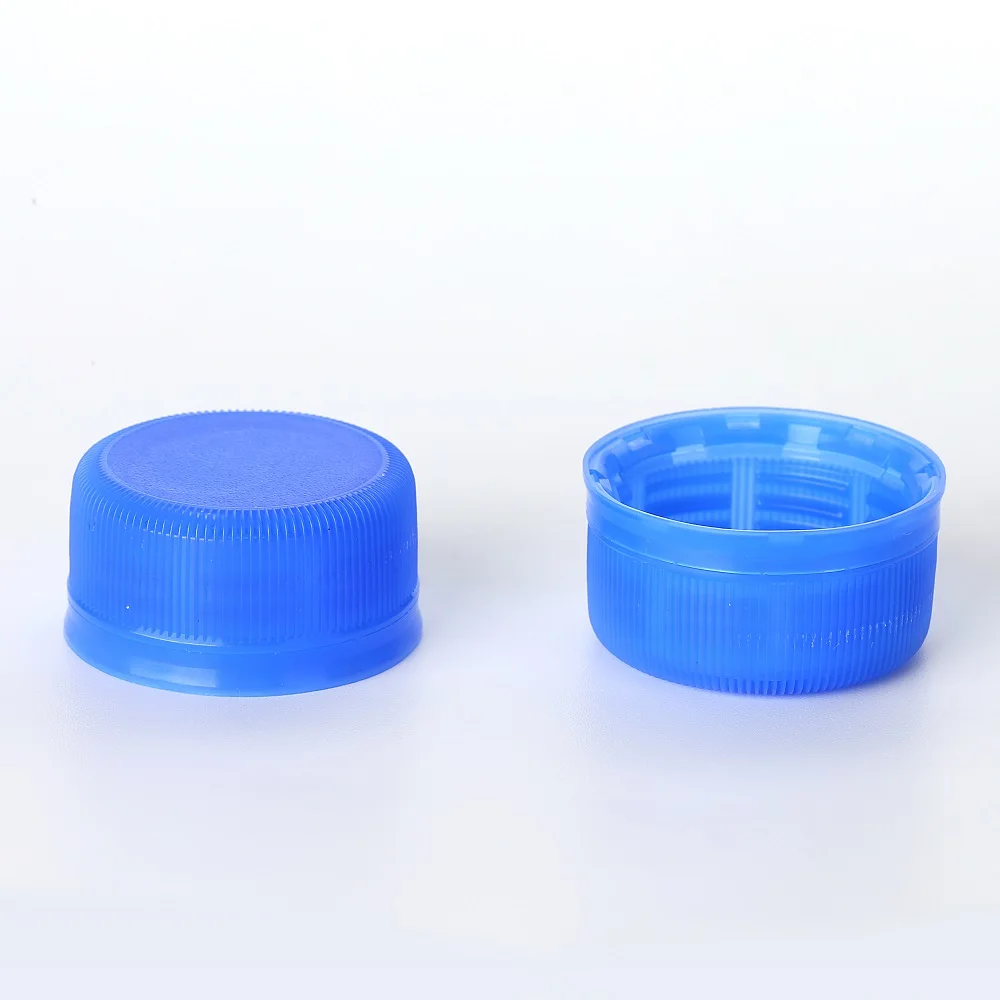
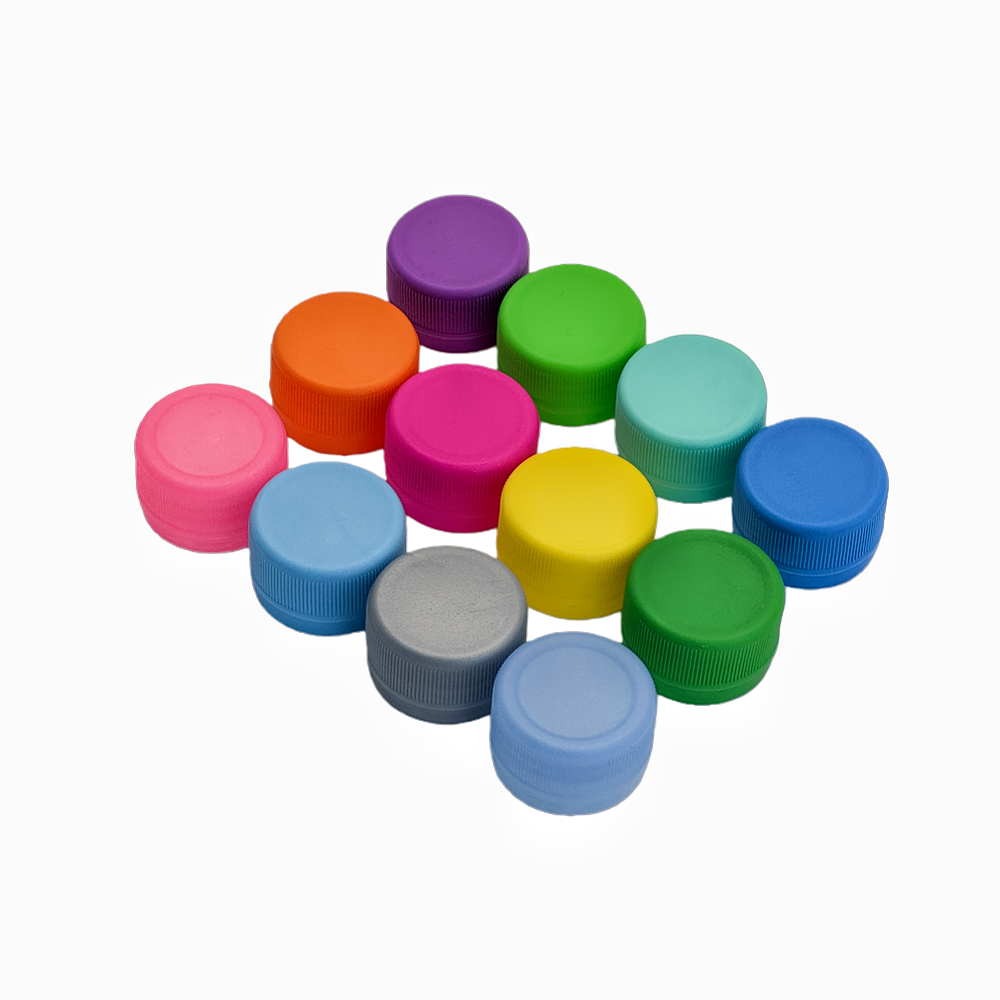
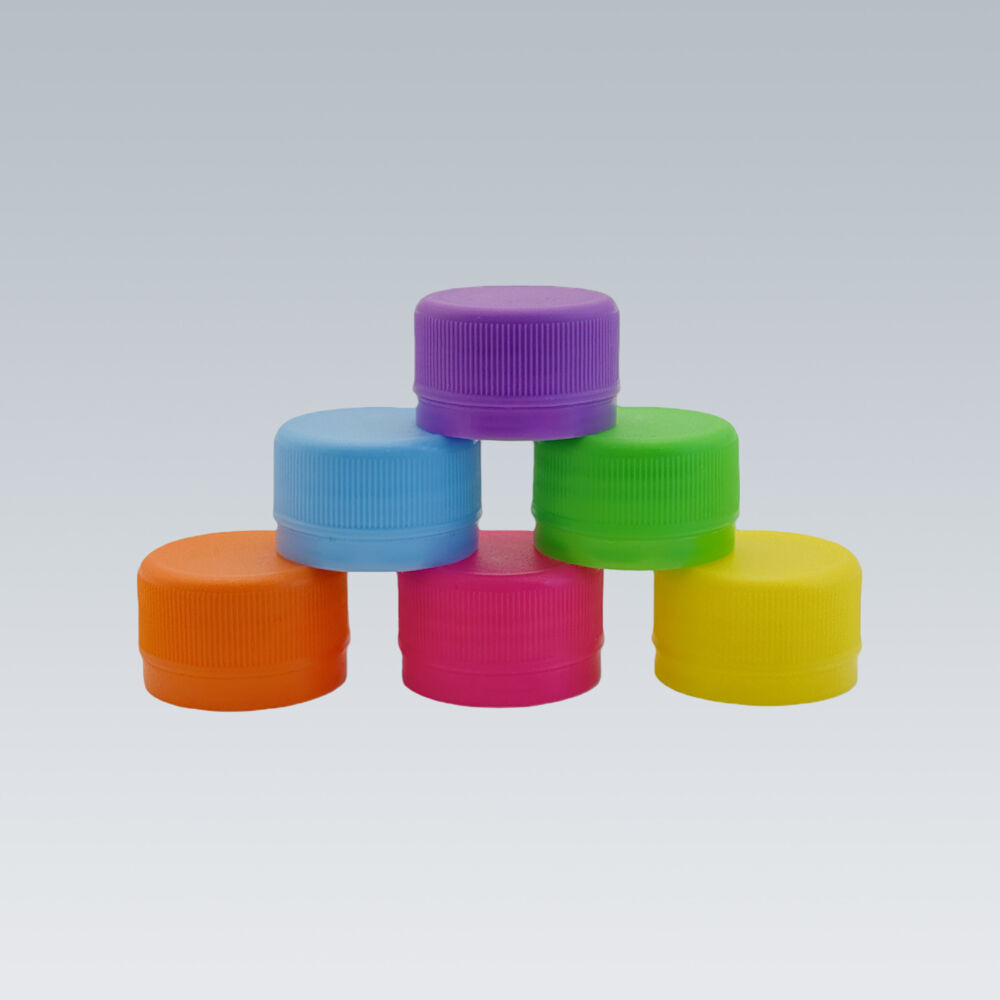
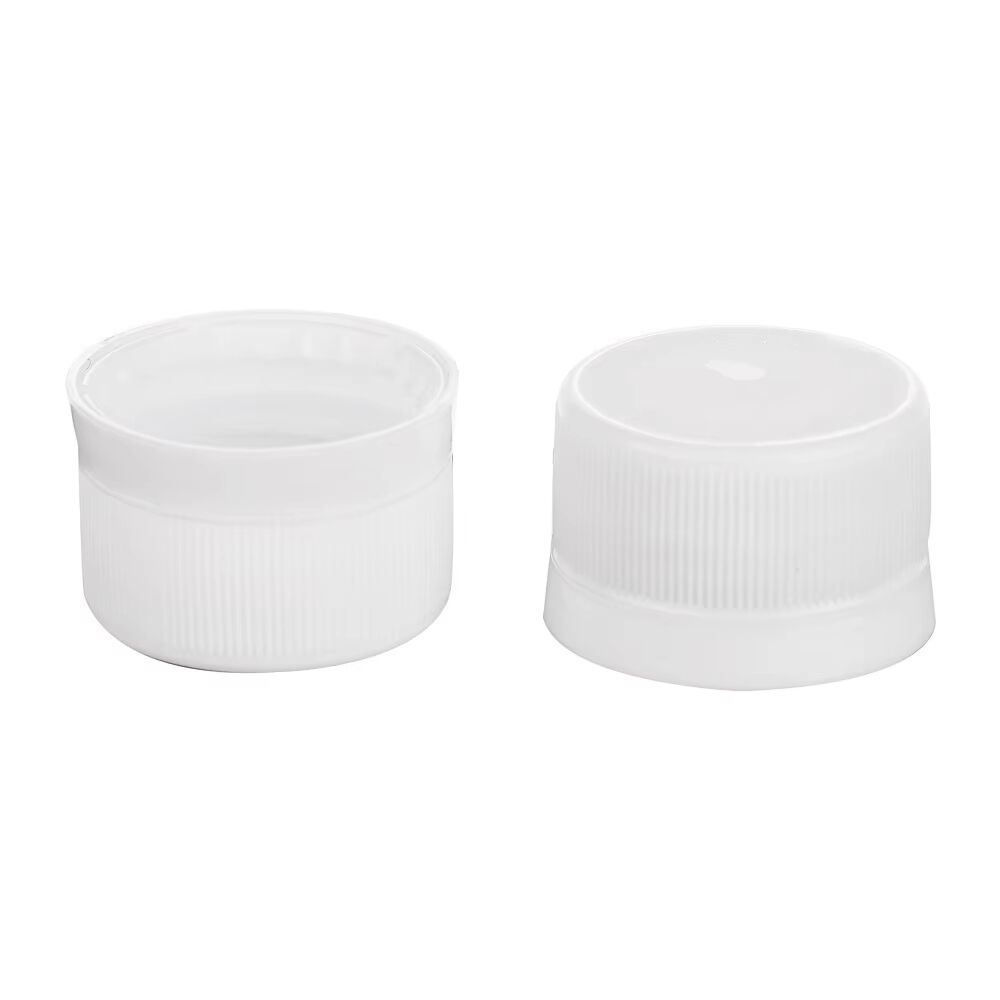
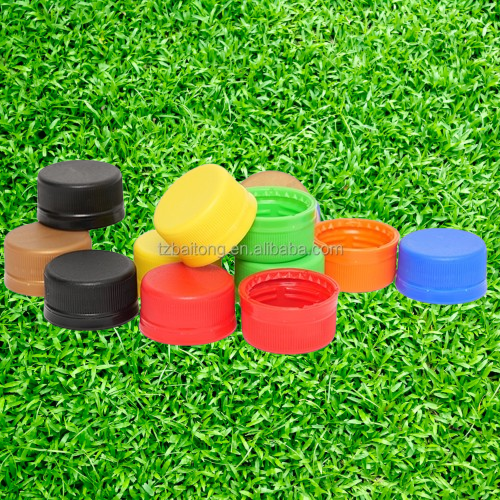
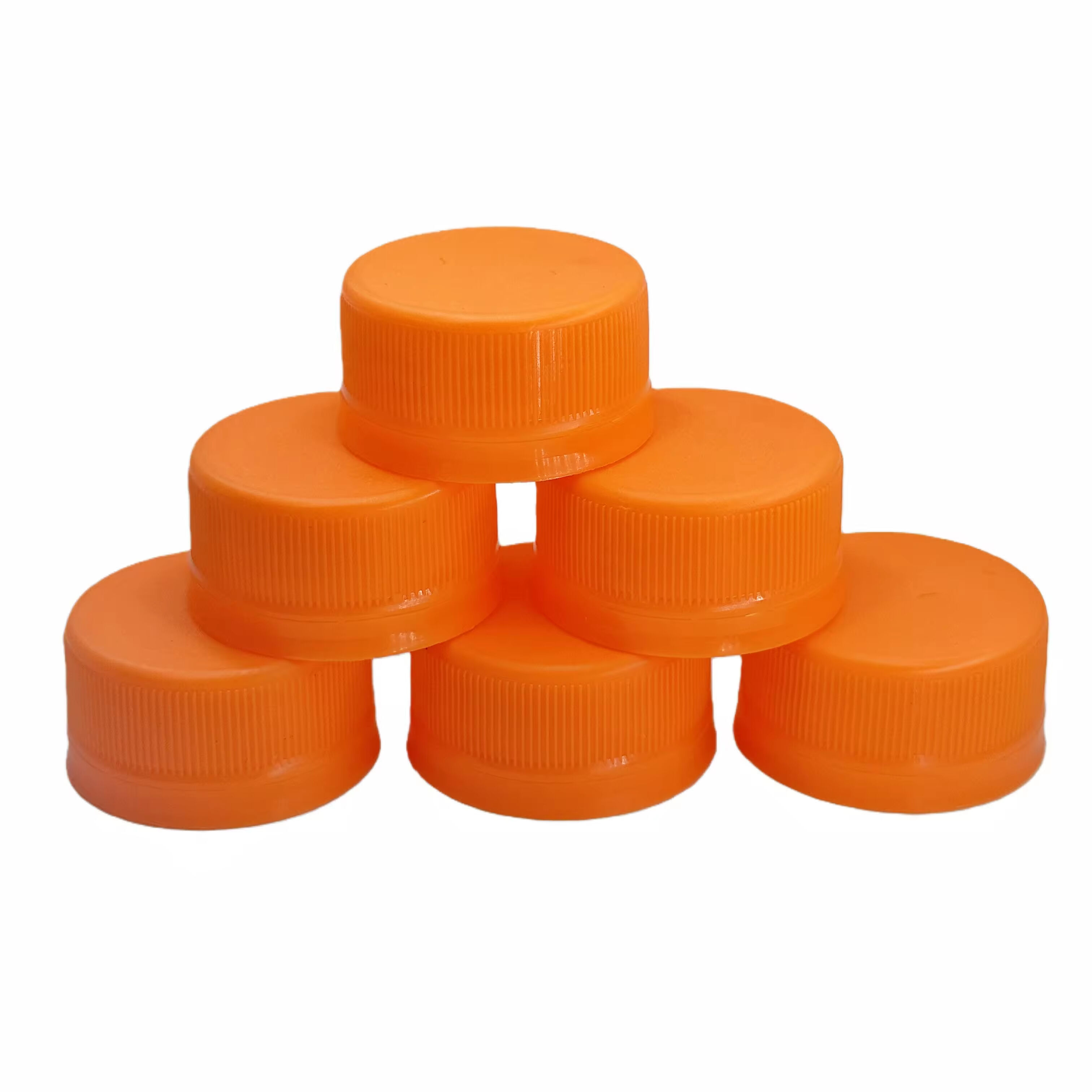
A juice cap manufacturer plays a crucial role in the beverage packaging industry by designing and producing specialized closures for juice containers. These manufacturers focus on creating secure, functional, and aesthetically pleasing caps that maintain product freshness while ensuring consumer safety. The primary function of a juice cap manufacturer involves developing various closure systems including screw-on caps, snap-fit lids, flip-top closures, and tamper-evident seals. Modern juice cap manufacturers utilize advanced injection molding technologies, precision engineering, and quality control systems to produce millions of caps daily. These facilities incorporate automated production lines, computer-controlled machinery, and rigorous testing protocols to ensure consistent product quality. The technological features employed by leading juice cap manufacturers include multi-cavity molds, hot runner systems, robotic handling equipment, and real-time monitoring systems. Material selection represents another critical aspect, with manufacturers working with food-grade plastics, recyclable polymers, and specialized barrier materials. Applications for juice cap products span across multiple beverage categories including fresh juices, concentrated drinks, smoothies, sports beverages, and premium organic products. The juice cap manufacturer must consider factors such as bottle compatibility, sealing performance, opening torque requirements, and shelf life preservation. Environmental considerations drive innovation in sustainable materials and recyclable designs. Quality assurance programs implemented by reputable juice cap manufacturers include leak testing, torque analysis, chemical resistance evaluation, and accelerated aging studies. These comprehensive testing procedures ensure that each cap meets stringent industry standards and regulatory requirements. The manufacturing process typically involves material preparation, injection molding, cooling, quality inspection, and packaging stages. Advanced juice cap manufacturers also provide custom design services, enabling beverage companies to create unique closure solutions that enhance brand identity and consumer experience.

New Products

Partnering with an experienced juice cap manufacturer offers numerous practical benefits that directly impact your beverage business operations and profitability. Cost efficiency stands as a primary advantage, as established juice cap manufacturers leverage economies of scale to deliver competitive pricing without compromising quality. These manufacturers maintain optimized production processes that reduce waste, minimize energy consumption, and maximize output efficiency, translating into lower per-unit costs for customers. Quality consistency represents another significant benefit, with professional juice cap manufacturers implementing stringent quality control measures throughout the production cycle. This ensures every cap meets exact specifications, reducing product recalls, customer complaints, and brand reputation risks. Speed and reliability in delivery schedules enable beverage companies to maintain steady production flows without inventory disruptions. A dependable juice cap manufacturer provides predictable lead times, flexible order quantities, and responsive customer service that adapts to changing market demands. Technical expertise available from seasoned manufacturers proves invaluable when developing new products or solving packaging challenges. These professionals understand material properties, regulatory requirements, and industry best practices, offering guidance that prevents costly mistakes and accelerates time-to-market. Innovation capabilities allow progressive juice cap manufacturers to introduce advanced features such as enhanced barrier protection, improved tamper evidence, and user-friendly opening mechanisms that differentiate your products in competitive markets. Regulatory compliance support ensures all caps meet food safety standards, environmental regulations, and international quality certifications, protecting your business from legal complications and market access issues. Supply chain stability provided by established manufacturers reduces risks associated with production delays, material shortages, or quality failures. These companies maintain multiple supplier relationships, backup production capacity, and inventory buffers that safeguard against unexpected disruptions. Customization flexibility enables brands to create distinctive packaging solutions that strengthen consumer recognition and loyalty while maintaining functional performance requirements.

Latest News

Ergonomic Bottle Handle Designs for Large Volume Water Containers

09

Apr

Ergonomic Bottle Handle Designs for Large Volume Water Containers

Large volume water containers present unique handling challenges that traditional grip methods simply cannot address effectively. When water containers exceed five gallons or reach industrial-scale capacities, the weight distribution and lifting mech...
View More
Understanding Different Bottle Cap Sizes: 28mm, 30mm, 38mm and More

02

Apr

Understanding Different Bottle Cap Sizes: 28mm, 30mm, 38mm and More

Understanding bottle cap sizes is essential for manufacturers, bottlers, and packaging professionals who need to ensure proper sealing, functionality, and compatibility across their product lines. The diameter measurements of bottle caps, particularl...
View More
Water Cap Specifications: Ensuring a Perfect Seal Every Time

21

May

Water Cap Specifications: Ensuring a Perfect Seal Every Time

Understanding water cap specifications is crucial for manufacturers, bottlers, and quality control professionals who demand reliable sealing performance across diverse applications. The precise engineering behind each water cap involves multiple dime...
View More
The Best Juice Cap Options for Hot-Fill and Cold-Fill Processes

14

May

The Best Juice Cap Options for Hot-Fill and Cold-Fill Processes

Selecting the right juice cap for your beverage production line is a critical decision that directly impacts product safety, shelf life, and consumer satisfaction. Modern juice manufacturing relies on two primary filling methods—hot-fill and cold-fil...
View More

Get a Free Quote

Our representative will contact you soon.
Email
Phone/Whatsapp
Company Name/Name
Message
0/1000

juice cap manufacturer

Advanced Manufacturing Technology and Precision Engineering

Advanced Manufacturing Technology and Precision Engineering

The modern juice cap manufacturer employs cutting-edge technology that revolutionizes closure production through precision engineering and automated systems. State-of-the-art injection molding machines equipped with servo-electric drives provide exceptional accuracy in cap formation, ensuring consistent wall thickness, precise threading, and optimal sealing surfaces. These advanced systems operate with tolerances measured in hundredths of millimeters, delivering caps that perform flawlessly across millions of applications. Computer-controlled temperature management systems maintain optimal processing conditions throughout the molding cycle, preventing material degradation and ensuring superior mechanical properties in finished products. Hot runner technology eliminates waste while improving cycle times, enabling juice cap manufacturers to produce higher volumes with reduced environmental impact. Robotic handling systems ensure contamination-free processing, critical for food-grade applications where hygiene standards cannot be compromised. Real-time monitoring capabilities track key performance indicators including injection pressure, cooling rates, and dimensional accuracy, allowing immediate adjustments to maintain optimal quality levels. Multi-cavity molds enable simultaneous production of multiple caps, dramatically increasing output efficiency while maintaining individual cap quality. Vision inspection systems automatically detect defects, removing non-conforming products before packaging and shipment. This technological sophistication translates into tangible benefits for beverage companies including reduced leakage rates, improved shelf life protection, consistent opening torque, and enhanced consumer satisfaction. The precision engineering approach ensures perfect compatibility with bottle neck specifications, eliminating costly production line stoppages caused by ill-fitting closures. Advanced material handling systems maintain proper storage conditions and prevent contamination throughout the manufacturing process, ensuring every cap meets stringent food safety requirements essential for juice packaging applications.
Comprehensive Quality Assurance and Testing Protocols

Comprehensive Quality Assurance and Testing Protocols

Leading juice cap manufacturers implement comprehensive quality assurance programs that exceed industry standards, providing customers with confidence in product performance and safety. These rigorous testing protocols begin with incoming material inspection, where every batch of resin undergoes chemical analysis, mechanical property testing, and contamination screening to ensure compliance with food-grade specifications. During production, continuous monitoring systems track critical parameters including melt temperature, injection pressure, cooling time, and dimensional accuracy, creating detailed records for complete traceability. Finished product testing encompasses multiple evaluation criteria including seal integrity, torque performance, tamper evidence functionality, and chemical resistance properties. Leak testing protocols simulate real-world storage and transportation conditions, subjecting caps to pressure differentials, temperature cycling, and vibration stress to verify long-term sealing performance. Accelerated aging studies predict product behavior over extended storage periods, ensuring caps maintain functionality throughout the entire product lifecycle. Migration testing evaluates potential chemical transfer between cap materials and juice products, protecting consumer health and maintaining product flavor integrity. Drop testing simulates handling impacts during distribution, confirming that caps remain securely attached and functional despite transportation stresses. Torque analysis ensures optimal opening force across statistical populations, providing consistent consumer experience while maintaining proper sealing performance. Environmental stress testing exposes caps to extreme temperatures, humidity variations, and UV exposure, validating performance under diverse storage conditions. Microbiological testing confirms that cap materials and surfaces resist bacterial growth and contamination. Statistical process control methods track performance trends, enabling predictive maintenance and continuous improvement initiatives. Third-party laboratory verification provides independent confirmation of test results, enhancing credibility with regulatory agencies and quality-conscious customers. Documentation systems maintain complete records for regulatory compliance, customer audits, and continuous improvement programs, ensuring accountability and transparency throughout the quality assurance process.
Sustainable Materials and Environmental Responsibility

Sustainable Materials and Environmental Responsibility

Progressive juice cap manufacturers prioritize environmental responsibility through sustainable material selection, eco-friendly manufacturing processes, and circular economy initiatives that benefit both customers and the planet. Advanced bio-based polymers derived from renewable resources offer comparable performance to traditional petroleum-based materials while significantly reducing carbon footprint. These innovative materials maintain excellent barrier properties, mechanical strength, and food safety compliance while supporting corporate sustainability goals. Recycled content integration allows manufacturers to incorporate post-consumer recycled plastics into new cap production, reducing waste streams and conserving natural resources without compromising functional performance. Lightweight design optimization reduces material consumption per cap while maintaining structural integrity and sealing performance, directly lowering transportation costs and environmental impact. Mono-material construction facilitates recycling by eliminating multi-layer complexity that complicates waste processing systems. Water-based ink systems and solvent-free printing processes minimize volatile organic compound emissions during decoration and labeling operations. Energy-efficient manufacturing equipment reduces power consumption through variable frequency drives, waste heat recovery systems, and optimized heating profiles that lower operational carbon footprint. Closed-loop cooling systems minimize water consumption while maintaining precise temperature control required for quality production. Waste reduction programs capture and recycle production scrap, virtually eliminating landfill disposal of manufacturing waste materials. Life cycle assessment studies quantify environmental impacts from raw material extraction through end-of-life disposal, enabling data-driven decisions that minimize ecological footprint. Carbon neutral shipping options offset transportation emissions through verified offset programs. Supplier sustainability programs ensure environmental responsibility extends throughout the supply chain, from raw material sourcing to final delivery. Regulatory compliance with emerging environmental legislation protects customers from future compliance costs while demonstrating corporate social responsibility. These comprehensive sustainability initiatives enable beverage companies to meet consumer expectations for environmentally responsible packaging while potentially reducing total packaging costs through improved efficiency and waste reduction.

Get a Free Quote

Our representative will contact you soon.
Email
Phone/Whatsapp
Company Name/Name
Message
0/1000