
 EN
EN


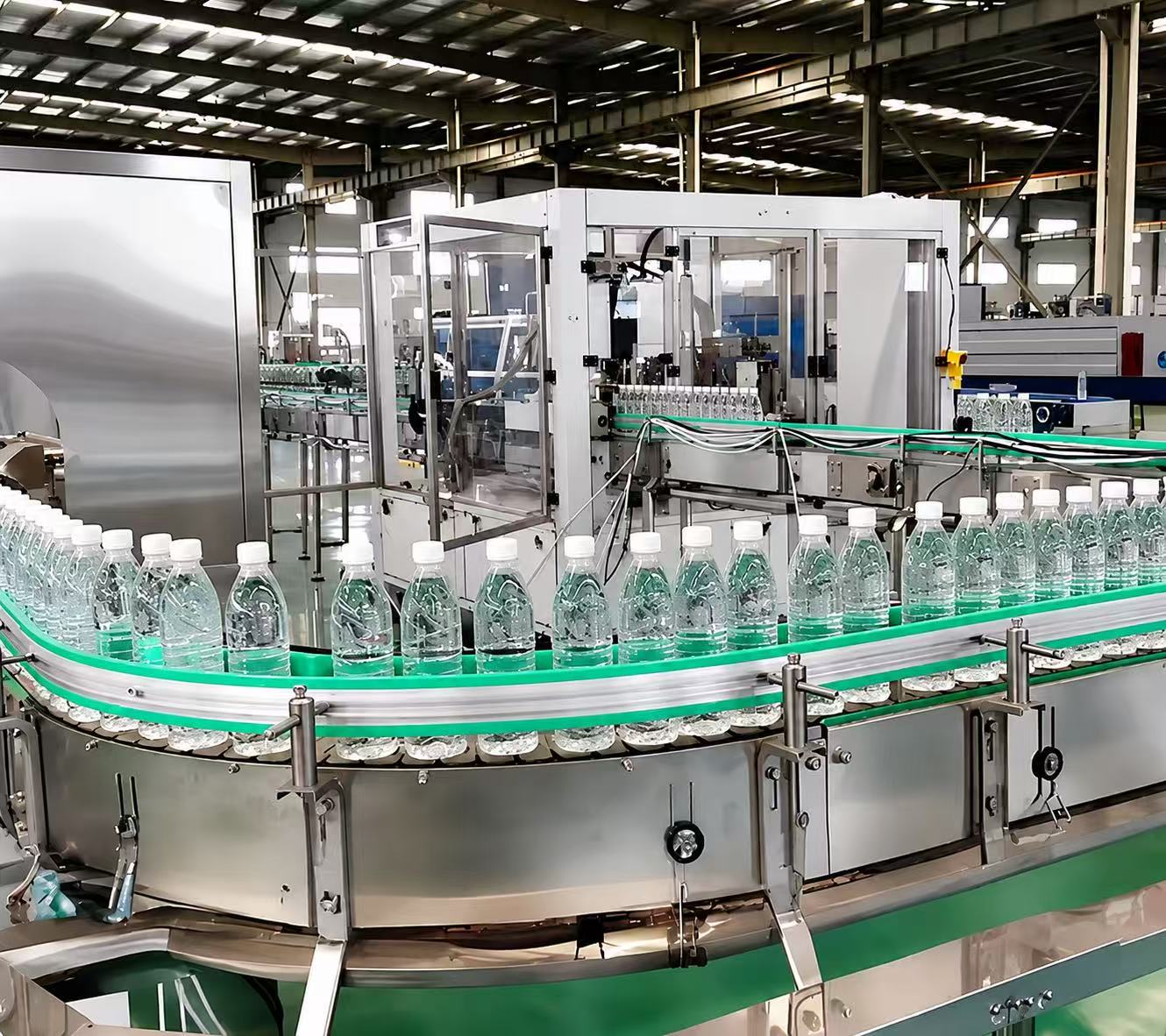
You are asked for proof of food grade bottle cap certification before a purchase order is signed, and too often what arrives is a folder of PDFs with no scope, no report number and no link to the batch you will receive. This guide explains what each document, FDA, LFGB, ROHS, CE and SGS, actually covers, who normally asks for it, and what a supplier must hand over before your quality team can file the food grade bottle cap certification.
• For food grade bottle cap certification, FDA and LFGB are food-contact schemes, while ROHS is a restricted-substances declaration, not food safety.
• CE marking belongs to regulated product groups such as machinery and equipment, so it does not certify a cap.
• SGS is a testing body rather than a standard, so its report covers only the tests that were ordered for your food grade bottle cap certification pack.
• A usable food grade bottle cap certification document names the standard, the material grade, the report number and the sampled batch.
Quick answer
• Selling into the US: ask for an FDA food-contact statement tied to the exact resin grade used in your cap.
• Selling into Germany or the wider EU: LFGB bottle cap testing is the document buyers usually expect.
• ROHS answers a restricted-substances question and should never be filed as food-safety evidence.
• CE marking covers regulated equipment groups, so ask what a CE document actually names before filing it as cap evidence.
• An SGS test report proves only the scope that was ordered, so read the scope line before anything else.
What Food Grade Bottle Cap Certification Means for Packaging Buyers
Food grade bottle cap certification is not one certificate with one logo on it. It is a group of documents, each answering a different question: is the material safe against drinking water or a beverage, does it contain restricted or banned substances, and can the claim be traced to the resin grade and batch that will arrive at your plant?
Baitong Plastic molds its caps from 100% new food-grade raw materials such as PP, PE and PET, and the caps can pass FDA, LFGB, CE, ROHS and SGS testing, with third-party test reports available on request. In practice, food grade bottle cap certification is a filing exercise: your quality team needs a document it can look up, date and attach to a specific order.
If you already know your bottle neck finish, cap diameter and annual volume, send them to us and we will map the right mold and cap configuration. Send your specification through our contact page and we reply with a quotation and catalog within 1 hour.
What Each Standard Covers, and Who Asks for It
In food grade bottle cap certification, the last column of this table is the one auditors check.
Standard / scheme |
What it covers |
Who usually asks for it |
What document proves it |
FDA |
Food-contact safety for materials touching food and beverages under US food-contact rules |
US brand owners, retailers and importers |
A food-contact statement or test report naming the resin grade and the rule applied |
LFGB |
German food-contact testing under the Food and Feed Code, including sensory change and migration |
German buyers and EU retailers with German distribution |
An LFGB test report issued by an accredited laboratory |
ROHS |
Restricted hazardous substances such as heavy metals and certain phthalates in a defined equipment scope |
Buyers of equipment, electronics or mixed packaging programs |
A ROHS declaration of conformity or a ROHS test report |
CE |
An EU marking for regulated product groups, typically machinery and equipment |
Buyers purchasing machinery or equipment |
A declaration of conformity plus the CE marking on the machine itself, which names the equipment rather than the cap |
SGS |
Not a standard. SGS is an independent testing, inspection and certification body |
Any buyer who wants results from a laboratory independent of the factory |
An SGS report stating the methods, samples, scope and results ordered |
Read that table from right to left when you audit a food grade bottle cap certification file. If a supplier sends a badge instead of a document with a scope, you have nothing to file. An FDA compliant bottle cap claim means little until the statement names the resin grade: evidence issued for one polypropylene grade does not automatically cover a different grade bought from another supplier next season.
LFGB bottle cap testing is narrower and more demanding in practice. It looks at sensory change and migration into food simulants, which is why German and other EU buyers often ask for it separately even when an FDA document already exists; in practice both sit in the same food grade bottle cap certification file but answer different questions. Because SGS is a laboratory rather than a standard, an SGS test report bottle cap buyers can file must state which tests were ordered: migration, heavy metals, sensory assessment or something else entirely.
CE deserves its own warning. CE marking applies to regulated product groups such as machinery and equipment, and the marking sits on the machine itself. Suppliers often list CE alongside FDA and LFGB because their molding equipment carries the marking, so ask which product a CE document actually names before you file it with your food-contact evidence. Inside a food grade bottle cap certification pack, a CE paper that names only the machine is an equipment record rather than a closure approval in your food grade bottle cap certification file.
Common Food Grade Bottle Cap Certification Mistakes That Cost Buyers Time
Most food grade bottle cap certification problems surface after the PO, not before. These five patterns repeat often enough that buyers now ask for the full food grade bottle cap certification pack upfront.
• Accepting a logo instead of a document. "We have certificates" without a report scope, batch reference and report number cannot be checked by your quality team or by a retailer audit.
• Filing a report that no longer matches the product. Reports are tied to the sampled material, so a change in resin grade, additive package or color masterbatch can put the old report outside your actual supply.
• Treating ROHS as a food-safety document inside a food grade bottle cap certification file. Restricted-substances declarations and food-contact migration testing answer different questions.
• Assuming CE covers the cap. CE belongs in a machinery file for regulated equipment categories, not in a packaging compliance file.
• Ignoring the scope line on an SGS report. A report can be genuine and still irrelevant to your beverage, because the tests ordered differ from the ones your market requires.
How to Verify a Supplier Before You Order
Ask for the documents first, then the factory. Food grade bottle cap certification is best judged when the paperwork and the process line up, so request the report scope, the material grade it was tested on, and confirmation that the grade is still in production. Food grade bottle cap certification is only as good as the grade it names.
Baitong Plastic has produced plastic caps and closures since 2003, with more than 20 years of mold and injection molding experience. The factory runs 8 Italian SACMI production lines with annual capacity above 3.5 billion bottle caps and serves more than 1000 long-term cooperative clients worldwide. The caps can pass FDA, LFGB, CE, ROHS and SGS testing, third-party reports are available, and the company has publicly announced full FDA compliance for its food-grade bottle caps. Read the FDA compliance announcement, review the production background, and check the standard cap range against your neck finish. Factory audits and a video factory tour are available, MOQ for regular items is usually 100,000 pcs and negotiable for bulk orders, and existing samples are free with freight collected by the buyer.
FAQ
Q: How do I know which food grade bottle cap certification my product actually needs?
A: Start with the destination market: for food grade bottle cap certification, a US listing points to FDA food-contact evidence, German or wider EU distribution points to LFGB testing, and mixed-scope programs may also ask for a ROHS declaration. Ask your buyer which document they will file, then match it exactly.
Q: Is an SGS test report the same as FDA approval?
A: No. Food grade bottle cap certification and an SGS report answer different questions: SGS is a third-party laboratory that tests samples against the methods you order, so the report proves those results on those samples. FDA compliance is a separate food-contact question, which is why many buyers keep both in the same file.
Q: My supplier says the caps are ROHS tested, so they are food safe. Is that enough?
A: Not on its own. Food grade bottle cap certification rests on food-contact migration and sensory testing for your beverage, while ROHS covers restricted substances in a defined product scope. An FDA or LFGB document is normally requested alongside it.
Q: Can Baitong Plastic share test reports before I place an order?
A: Yes. Food grade bottle cap certification documents, including third-party reports, are available on request, and you can also ask for a factory audit or a video factory tour so your quality team can review the process behind the paperwork before you commit to volume.