
 EN


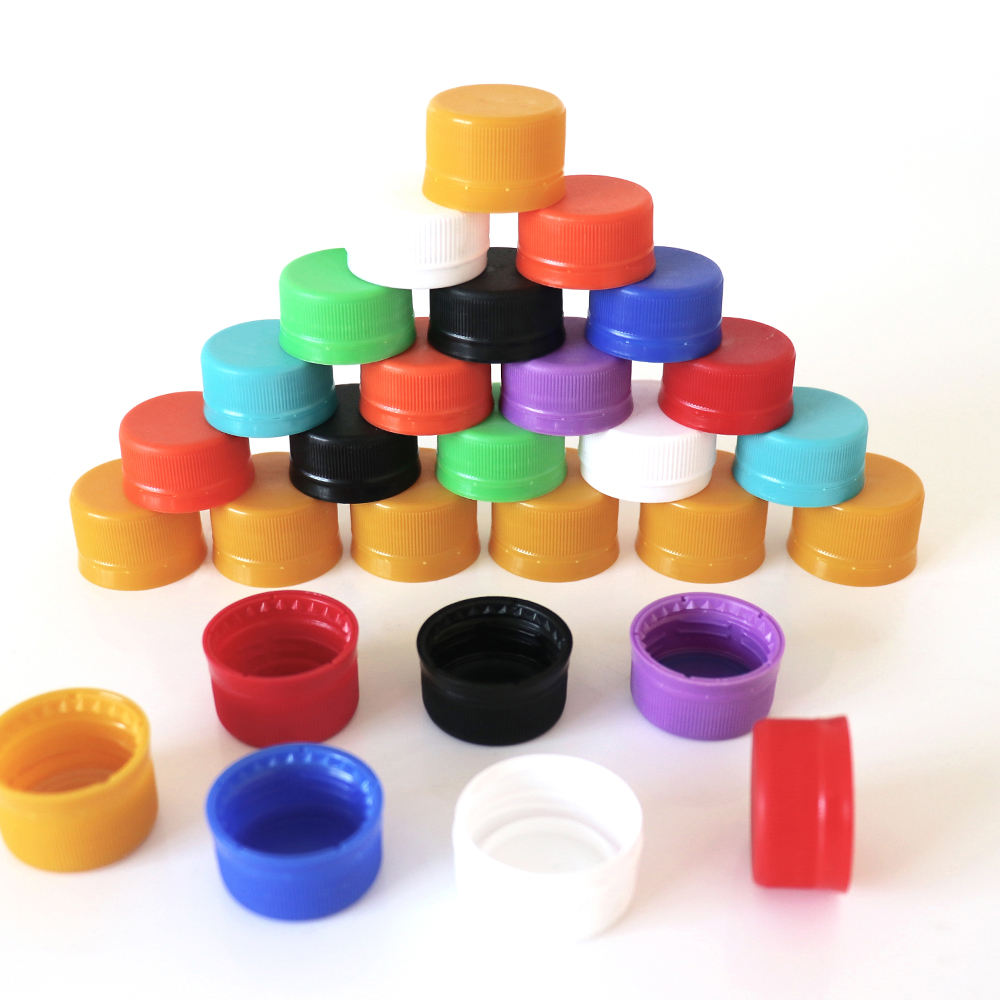
Understanding the difference between a carbonated beverage cap and a still water closure is essential for beverage manufacturers, packagers, and procurement professionals. While both serve the fundamental purpose of sealing bottles, the engineering requirements, material specifications, and performance standards differ significantly. A carbonated beverage cap must withstand internal pressure from carbon dioxide gas, whereas a still water closure operates under ambient atmospheric conditions with minimal pressure. This distinction affects everything from material selection to manufacturing tolerances, making it critical to choose the right closure for your specific beverage application.
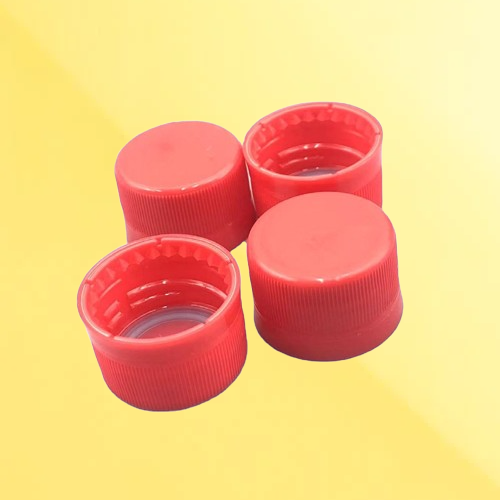
The selection between a carbonated beverage cap and still water closures depends on your product chemistry, shelf-life requirements, and distribution conditions. Many manufacturers mistakenly believe that a standard closure works across all beverage categories, but regulatory compliance, consumer safety, and product integrity demand closure solutions tailored to each beverage type. This article explores the technical, functional, and commercial differences you need to understand to make informed procurement and product development decisions.
Pressure Resistance and Structural Engineering
Why Pressure Resistance Matters for Carbonated Beverages
A carbonated beverage cap must be engineered to resist internal pressure generated by dissolved carbon dioxide. Typical carbonation levels range from 3.5 to 4.0 volumes of CO₂, creating pressures between 30 and 60 psi at standard temperatures. This internal pressure exerts constant force against the closure structure, requiring reinforced walls, optimized thread design, and pressure-rated materials. A carbonated beverage cap typically features thicker plastic walls, reinforced ribs, and pressure-relief vents to prevent cap deformation, gas escape, and product spoilage over the product's shelf life.
Still Water Closures Under Minimal Pressure
Still water closures operate in a fundamentally different pressure environment. Since still water contains no dissolved gas and minimal microbiological activity, the closure experiences only ambient atmospheric pressure and the weight of the liquid column. This allows still water closures to be manufactured with thinner walls, simpler thread configurations, and lighter gauge materials. The closure design prioritizes ease of opening, cost efficiency, and basic protection from contamination rather than pressure containment. Still water bottle caps can be opened easily by hand without requiring tools or excessive force, whereas a carbonated beverage cap may require more torque to break the seal initially due to its pressure-resistant construction.
Material Specifications and Durability Requirements
Advanced Material Selection for Carbonated Applications
A carbonated beverage cap demands materials capable of maintaining structural integrity under sustained pressure and temperature fluctuations. Food-grade polypropylene (PP) with carbon-black or mineral-reinforced compositions is standard for carbonated beverage caps because it provides superior tensile strength, chemical resistance to CO₂ permeation, and thermal stability. The material must resist both internal gas pressure and external impacts during handling, shipping, and warehouse storage. Liners inside a carbonated beverage cap often incorporate expanded polyethylene or foam compounds to create gas-tight seals that prevent carbonation loss over time. These specialized liner materials compress under pressure to form a consistent, leak-proof barrier between the cap and bottle neck.
Simpler Material Profiles for Still Water
Still water closures typically use standard-grade polypropylene or polyethylene without reinforcement additives. The material selection emphasizes cost optimization and manufacturability rather than pressure resistance. Still water bottle caps may use simpler foam liners or waxed cardboard gaskets that provide adequate sealing for non-pressurized applications. The absence of carbonation eliminates the need for specialized gas-barrier coatings or chemical-resistant polymers, allowing manufacturers to reduce material costs and simplify production. This cost advantage makes still water closures attractive for high-volume, price-sensitive markets where pressure resistance is unnecessary.
Regulatory Compliance and Safety Standards
Carbonated Beverage Cap Regulatory Framework
Carbonated beverage cap design and manufacturing must comply with strict regulatory standards that govern pressure vessels and food safety. In the United States, the FDA enforces regulations requiring carbonated beverage caps to prevent gas escape, maintain carbonation levels, and prevent contamination throughout the product shelf life. European standards (EN 1622) and international ISO specifications establish minimum pressure-retention requirements, liner compatibility tests, and material safety certifications specific to carbonated beverages. A carbonated beverage cap must pass burst-pressure testing, demonstrating it can withstand pressures well above typical operating levels without rupturing or permanently deforming. Tamper-evident features are often integrated into carbonated beverage cap designs to assure consumers that the product has not been opened or compromised during distribution.
Still Water Closure Compliance Standards
Still water closures follow less stringent but equally important regulatory frameworks focused on contamination prevention and basic food contact safety. Standards for still water bottle caps emphasize material migration limits, odor and taste neutrality, and basic microbiological barriers rather than pressure containment. The regulatory burden for still water closures is lighter because the product poses minimal pressure risk and typically features shorter shelf lives than carbonated beverages. Still water bottle caps must still meet FDA food-contact requirements and may require local or regional certification, but testing protocols are simpler and less expensive than those required for carbonated beverage cap validation.
Manufacturing Tolerances and Quality Control
Tight Tolerances in Carbonated Beverage Cap Production
Manufacturing a carbonated beverage cap requires precise tolerance control across multiple dimensions including thread pitch, wall thickness, liner compression depth, and sealing surface flatness. Variations of just 0.1 millimeters in thread geometry can compromise gas tightness or create loose seals that allow carbonation loss. A carbonated beverage cap production line incorporates multiple quality checkpoints including burst-pressure testing on sample units, liner-fit verification, and visual inspection for structural defects. Injection molding parameters for carbonated beverage caps are closely monitored to ensure consistent material density and wall thickness, which directly impact pressure-retention performance. Statistical process control methods are standard in carbonated beverage cap manufacturing to maintain quality consistency across production batches.
Standard Production Tolerances for Still Water Closures
Still water closures allow wider manufacturing tolerances because pressure containment is not a critical performance parameter. Thread geometry can vary within broader specifications without affecting seal quality, and wall thickness variations are less critical. Quality control for still water bottle caps focuses on basic dimensional verification, liner adhesion testing, and visual inspection rather than pressure-retention validation. The looser tolerance requirements reduce manufacturing complexity and tooling costs, making still water closure production more economical and flexible than carbonated beverage cap manufacturing. This manufacturing advantage allows still water producers to adjust production parameters more rapidly in response to demand fluctuations.
Shelf Life and Product Preservation
Long-Term Carbonation Retention
A carbonated beverage cap's primary function is preserving carbonation levels throughout the product's entire shelf life, typically 12 to 18 months. Gas permeation through poorly sealed closures represents the largest source of carbonation loss in bottled carbonated beverages. A high-quality carbonated beverage cap with proper liner design can limit carbonation loss to less than 5 percent over 12 months under standard warehouse conditions. The liner material's gas-barrier properties, the compression fit between cap and bottle, and the absence of micro-gaps all contribute to preserving dissolved CO₂. Carbonated beverage cap effectiveness is often measured using standardized pressure-retention testing protocols that simulate real-world distribution and storage conditions.
Water Retention Without Pressure
Still water closures prioritize contamination prevention over gas retention because still water contains no carbonation to lose. A still water bottle cap must prevent dust, light, and microbial ingress while maintaining freshness, but gas permeability is irrelevant to product quality. Still water closures often allow minor gas exchange without compromising product integrity because still water does not depend on sealed pressurized conditions. This reduced pressure and gas-barrier requirement simplifies still water closure design and allows for more flexible material selection. Shelf life for still water typically extends to 24 months or longer, depending primarily on light protection and contamination prevention rather than seal tightness.
Application Scenarios and Industry Context
Carbonated Beverage Categories and Market Requirements
A carbonated beverage cap serves diverse product categories including cola, sparkling water, energy drinks, beer, and flavored soft drinks, each with unique carbonation levels and shelf-life requirements. Energy drinks and functional carbonated beverages often demand premium-performance carbonated beverage caps because consumers expect consistent taste and carbonation intensity throughout the product's life. Small-format bottles (12 to 20 ounces) require particularly robust carbonated beverage cap designs because pressure concentrations are higher in limited liquid volumes. Multi-pack storage conditions, outdoor exposure, and temperature fluctuations during distribution place additional stress on carbonated beverage caps, requiring designs that maintain integrity across extreme environmental scenarios.
Still Water Market Dynamics and Design Variations
Still water closures dominate the pure water, mineral water, and flavored non-carbonated beverage markets, where cost efficiency and ease of opening are prioritized. Single-serve water bottles increasingly feature convenient flip-top or push-pull closure designs that compromise with traditional still water closures to improve consumer convenience. Larger-format still water bottles (gallon-size containers) may use screw closures with different thread specifications than smaller bottles, but pressure considerations remain minimal. The still water market emphasizes sustainability increasingly, with manufacturers exploring recyclable and compostable closure materials that would be unsuitable for carbonated beverage cap applications due to pressure concerns.
Cost Implications and Procurement Considerations
Carbonated Beverage Cap Cost Structure
A carbonated beverage cap typically costs 20 to 40 percent more than equivalent still water closures due to specialized materials, tighter manufacturing tolerances, and enhanced quality control requirements. Material costs increase because food-grade polypropylene with reinforcement additives and specialized liners represent higher raw-material expenses than standard still water closure materials. Tooling costs for carbonated beverage cap injection molds are also higher due to the precision required for thread geometry, pressure-retention features, and liner integration. Volume considerations affect pricing significantly; high-volume carbonated beverage cap orders benefit from economies of scale, whereas low-volume or custom specifications carry premium pricing. Quality assurance testing, regulatory documentation, and pressure-retention validation add to total cost-of-ownership for carbonated beverage caps.
Still Water Closure Cost Advantages
Still water closures offer substantial cost advantages through simplified material specifications, broader manufacturing tolerances, and streamlined quality control. The reduced testing requirements and simpler regulatory compliance pathways lower documentation and certification costs compared to carbonated beverage cap procurement. Standard tooling designs for still water closures allow manufacturers to achieve economies of scale more easily, reducing per-unit costs significantly. These cost savings make still water closures attractive for budget-sensitive markets and high-volume commoditized applications. Procurement managers should recognize that cost differences reflect genuine functional and safety differences, not merely marketing premiums.
FAQ
Can I use a still water closure on a carbonated beverage?
No, using a still water closure on a carbonated beverage creates serious product quality and safety risks. The closure is not engineered to withstand internal pressure from CO₂, resulting in gas leakage, carbonation loss, and potential seal failure. A carbonated beverage cap is specifically designed with reinforced structure and pressure-resistant materials to contain pressurized contents safely. Substituting a still water closure would violate regulatory standards, compromise product integrity, and potentially expose manufacturers to liability if consumers encounter flat beverages or seal failures during distribution.
What makes a carbonated beverage cap leak-proof under pressure?
A carbonated beverage cap achieves leak-proof performance through several integrated features including reinforced plastic walls that resist deformation under pressure, precision-engineered threads that create tight engagement with the bottle neck, and specialized liner materials that compress to form gas-tight seals. The liner, typically expanded polyethylene or foam compounds, conforms precisely to the bottle opening to eliminate micro-gaps where gas could escape. The closure design accounts for pressure-induced expansion and temperature fluctuations, maintaining seal integrity throughout the product's shelf life. Multiple quality control checkpoints during manufacturing ensure consistent performance across every carbonated beverage cap produced.
Are carbonated beverage caps recyclable?
Most carbonated beverage caps are made from recyclable polypropylene, but recycling infrastructure and consumer behavior create challenges. Food-grade polypropylene in carbonated beverage caps can theoretically be recycled, but contamination from residual beverage or liner materials complicates processing. Many recycling programs recommend separating caps from bottles before recycling because the liner materials interfere with standard plastic recycling streams. Manufacturers and recycling facilities are increasingly developing solutions to handle carbonated beverage cap materials more effectively, including caps engineered for easier disassembly and material separation during the recycling process.
Table of Contents
- Pressure Resistance and Structural Engineering
- Material Specifications and Durability Requirements
- Regulatory Compliance and Safety Standards
- Manufacturing Tolerances and Quality Control
- Shelf Life and Product Preservation
- Application Scenarios and Industry Context
- Cost Implications and Procurement Considerations
- FAQ