
 EN


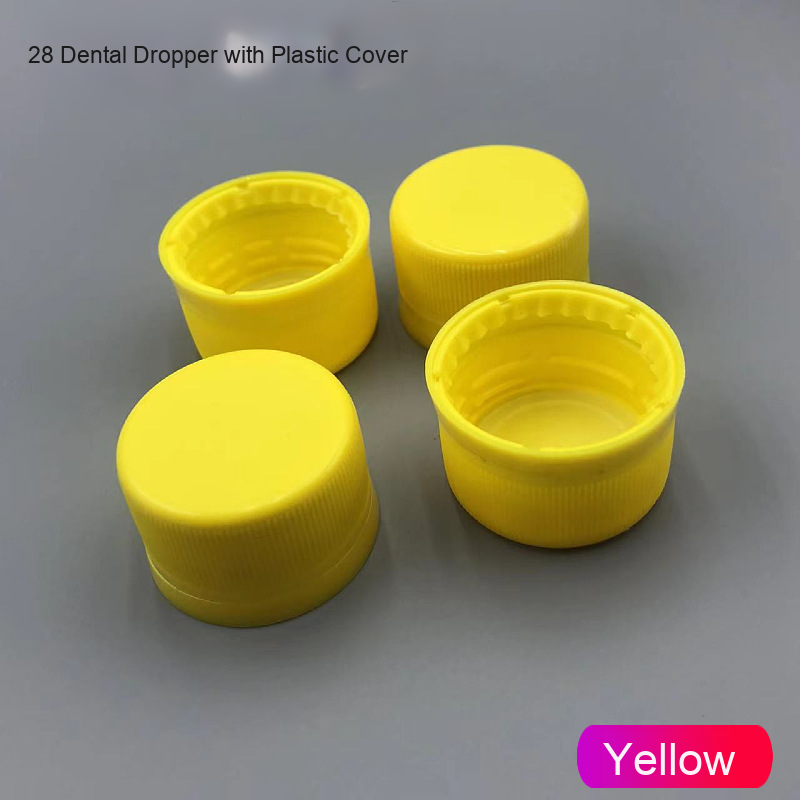
Choosing the right carbonated beverage cap is one of the most critical decisions beverage manufacturers and packaging professionals face. The carbonated beverage cap serves far more than an aesthetic function—it directly impacts product integrity, shelf life, consumer safety, and brand reputation. A poor selection can result in product loss, contamination, leakage, or safety hazards, while the right carbonated beverage cap ensures your carbonated drinks remain fresh, secure, and compliant throughout their lifecycle.
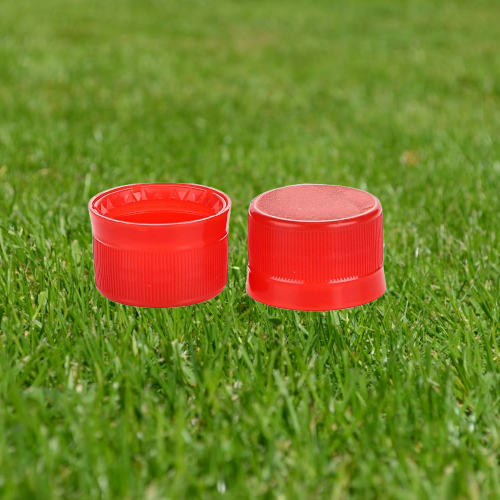
This guide walks you through the essential criteria for selecting a carbonated beverage cap that meets your specific production needs, regulatory requirements, and quality standards. Whether you manufacture sparkling water, soft drinks, energy beverages, or other carbonated products, understanding the technical and operational factors behind carbonated beverage cap selection will help you make informed procurement decisions that protect your product and streamline your packaging operations.
Understanding Carbonated Beverage Cap Specifications
Pressure Resistance and Internal Stress Management
The most defining characteristic of any carbonated beverage cap is its ability to withstand internal pressure from carbonation. Carbonated beverages generate significant pressure inside the bottle—typically 3 to 5 bar, depending on the product and storage conditions. Your carbonated beverage cap must be engineered to maintain a secure seal under these pressures without deformation, cracking, or allowing gas escape. This pressure resistance is achieved through cap design geometry, material selection, and the strength of the sealing interface between the carbonated beverage cap and the PET bottle neck.
When evaluating a carbonated beverage cap, verify that it is specifically rated for the pressure range your product will experience. A carbonated beverage cap designed only for still beverages will fail when exposed to carbonated conditions. The cap's liner material, threads, and overall structural integrity all contribute to whether the carbonated beverage cap can reliably contain pressure over months of storage and transport. Testing data from your supplier should confirm pressure ratings under realistic temperature and humidity conditions.
Material Composition and Food Safety Compliance
The material of your carbonated beverage cap must be food-grade and approved for direct contact with beverages. Polypropylene (PP) is the industry standard for carbonated beverage cap production because it offers excellent chemical resistance, dimensional stability, and pressure tolerance. A high-quality carbonated beverage cap made from virgin, food-grade PP will not leach chemicals into your product or degrade when exposed to acidic or citric beverages.
Beyond material, your carbonated beverage cap selection must comply with regulations including FDA Title 21 CFR 177.1520, EU Regulation 10/2011, and equivalent food contact standards in your target markets. Certifications such as Food Grade, BPA-free, and phthalate-free should be explicitly documented by the supplier. The carbonated beverage cap you select should include a certificate of compliance or test report confirming its safety status for food contact applications.
Sealing Performance and Leakage Prevention
Liner Quality and Gas-Barrier Effectiveness
The liner inside your carbonated beverage cap is the core component that prevents leakage and gas escape. This liner, typically made from foam or plastisol, forms an airtight seal against the PET bottle neck when the carbonated beverage cap is applied. The liner's compression, density, and chemical compatibility directly determine how effectively the carbonated beverage cap maintains product integrity. A substandard liner will compress permanently after application, losing its sealing ability and allowing carbonation to escape over time.
When selecting a carbonated beverage cap, examine the liner specifications including thickness, compression set (ASTM D395), and retention after repeated opening and closing. The carbonated beverage cap should retain at least 70% of its original sealing force after normal use. Some premium carbonated beverage cap designs feature dual-layer or thermoplastic liners that outperform standard foam, offering superior gas barrier properties and longer shelf stability. Testing your chosen carbonated beverage cap on your actual bottle finish—whether 28mm long neck, 20mm, or other standards—ensures compatibility and reliable sealing performance.
Tamper Evidence and Consumer Confidence
Modern consumers expect visible tamper evidence on carbonated beverages, and regulatory bodies in many jurisdictions require it. A carbonated beverage cap with integrated tamper-evident features—such as a breakaway ring or seal band that separates from the cap body upon first opening—provides immediate visual confirmation of product integrity. This feature protects your brand by demonstrating to consumers that the carbonated beverage cap was never removed or compromised during storage or transport.
The carbonated beverage cap you select should have tamper-evident technology that is easy to verify by consumers and difficult to counterfeit or replicate. Poorly designed carbonated beverage cap tamper evidence can separate prematurely during handling, creating unnecessary product returns and customer service issues. Conversely, overly aggressive tamper bands may frustrate consumers and generate negative reviews. Testing the carbonated beverage cap with your distribution network and target consumer feedback helps validate that the tamper-evident design meets practical expectations.
Compatibility, Sizing, and Application Requirements
Bottle Neck Finish Matching and Dimensional Accuracy
Your PET bottles have a specific neck finish size—28mm long neck, 20mm standard, or other dimensions—and your carbonated beverage cap must be engineered to fit that exact finish. Dimensional tolerance is critical. The carbonated beverage cap thread pitch, inner diameter, and seating surface must match the bottle specifications within tight tolerances to ensure proper engagement and pressure integrity. Even a 0.5mm deviation in the carbonated beverage cap internal diameter can prevent proper sealing or cause cross-threading during application.
When procuring a carbonated beverage cap, request samples and verify fit on your actual production bottles before full-scale commitment. The carbonated beverage cap should apply smoothly without excessive force, excessive torque variation, or loose fit. If your facility uses capping equipment from multiple manufacturers, test the carbonated beverage cap with each machine to confirm compatibility. Some carbonated beverage cap designs include adjustable skirt features that accommodate minor bottle variation, making the carbonated beverage cap more robust for real-world production environments.
Production Line Integration and Capping Speed
The carbonated beverage cap you select must function efficiently on your existing or planned capping equipment. If you operate a rotary capper, the carbonated beverage cap must have consistent dimensions and weight distribution to avoid jamming or misalignment. If you use a linear capping system, the carbonated beverage cap must provide reliable pickup and orientation. Heavier carbonated beverage cap designs or those with unusual geometry may require equipment adjustments or specialized tooling.
Discuss production line requirements with your carbonated beverage cap supplier and, if possible, conduct trial runs at your facility. The carbonated beverage cap application speed, torque settings, and pressure requirements should align with your equipment capabilities and your target production rate. A carbonated beverage cap that slows your line by 5% may cost more in labor and throughput loss than any savings in unit price. Balancing material cost with production efficiency ensures your carbonated beverage cap selection supports your overall operational economics.
Quality Assurance and Supplier Evaluation
Testing, Certification, and Performance Validation
A credible supplier of carbonated beverage cap products should provide comprehensive quality documentation, including material certificates, food contact compliance reports, and pressure testing data. The carbonated beverage cap should be tested for gas permeability, leak rate, tamper-evident functionality, and compatibility with your specific beverage formulation. Some beverages contain aggressive ingredients like citric acid or essential oils that can affect the carbonated beverage cap liner, so chemical compatibility testing is essential.
Request accelerated shelf-life data showing how the carbonated beverage cap maintains its sealing integrity over the intended storage period. A carbonated beverage cap rated for 18-month shelf life should be tested at elevated temperature and humidity to simulate aging and pressure conditions. Third-party testing from independent laboratories adds credibility to the carbonated beverage cap supplier's claims. If you distribute products internationally, verify that the carbonated beverage cap meets all applicable standards in your target markets, including pressure regulations, migration limits, and labeling requirements.
Supplier Stability and Supply Chain Resilience
Selecting a carbonated beverage cap supplier is a long-term relationship. Choose suppliers with consistent production capacity, quality control systems, and financial stability. The carbonated beverage cap market is subject to raw material fluctuations and supply chain disruptions, so work with suppliers who maintain inventory buffers and have contingency sourcing plans. A sudden shortage of your chosen carbonated beverage cap due to supplier failure can halt production and damage your market position.
Evaluate the carbonated beverage cap supplier's responsiveness, willingness to collaborate on design improvements, and support for custom specifications if needed. Some suppliers offer carbonated beverage cap options with custom branding, colors, or technical specifications. Building a relationship with a reliable supplier ensures your carbonated beverage cap specifications remain consistent, quality remains stable, and support is available when production challenges arise.
FAQ
What pressure rating should my carbonated beverage cap achieve?
The carbonated beverage cap must withstand the maximum pressure your product will generate, typically 3 to 5 bar depending on the product type and storage temperature. Soft drinks and sparkling water may reach 4 to 5 bar, while lower-carbonation beverages may require only 3 bar. Always verify the carbonated beverage cap pressure rating with your supplier and test it under conditions matching your storage environment. A carbonated beverage cap rated below your product's actual pressure risk will fail, causing leakage or product loss.
How do I know if a carbonated beverage cap is food-safe?
A food-safe carbonated beverage cap will include certification or documentation confirming compliance with FDA, EU, and equivalent food contact standards. Look for statements indicating the carbonated beverage cap is made from virgin, food-grade polypropylene, BPA-free, and compliant with migration limits. Request a copy of the supplier's food contact compliance certificate, which should reference specific regulations and include test data. The carbonated beverage cap should never be manufactured from recycled plastic or contain additives not explicitly approved for food contact.
Can I use the same carbonated beverage cap for different PET bottle sizes?
No, each PET bottle neck finish size requires a specific carbonated beverage cap design. A carbonated beverage cap for a 28mm long neck bottle will not fit a 20mm bottle, and forcing it will result in poor sealing or cross-threading. Always match the carbonated beverage cap size exactly to your bottle's neck finish. If you produce beverages in multiple bottle sizes, you will need to source different carbonated beverage cap specifications for each bottle format to ensure reliable sealing and product integrity.