
 EN
EN


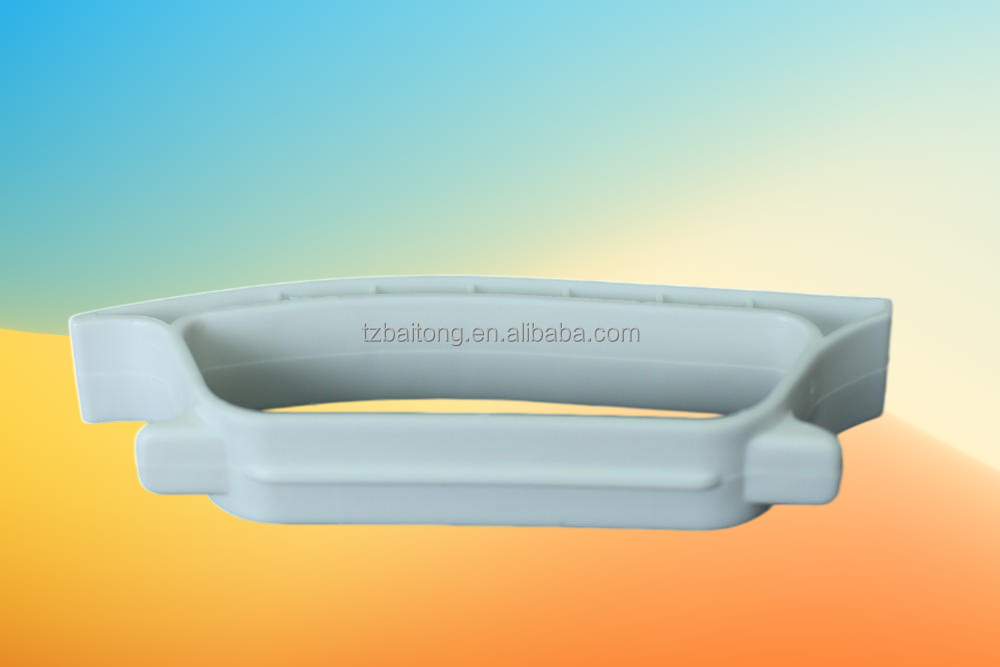
Adding a bottle handle to your packaging is one of the most practical ways to enhance product usability and customer experience. A bottle handle transforms a basic beverage container into a user-friendly product that consumers actively prefer. Whether you manufacture bottled water, juice, cooking oil, or specialty beverages, incorporating a bottle handle into your packaging design requires careful planning, material selection, and proper assembly techniques. This guide walks you through each stage of successfully integrating a bottle handle into your packaging system.
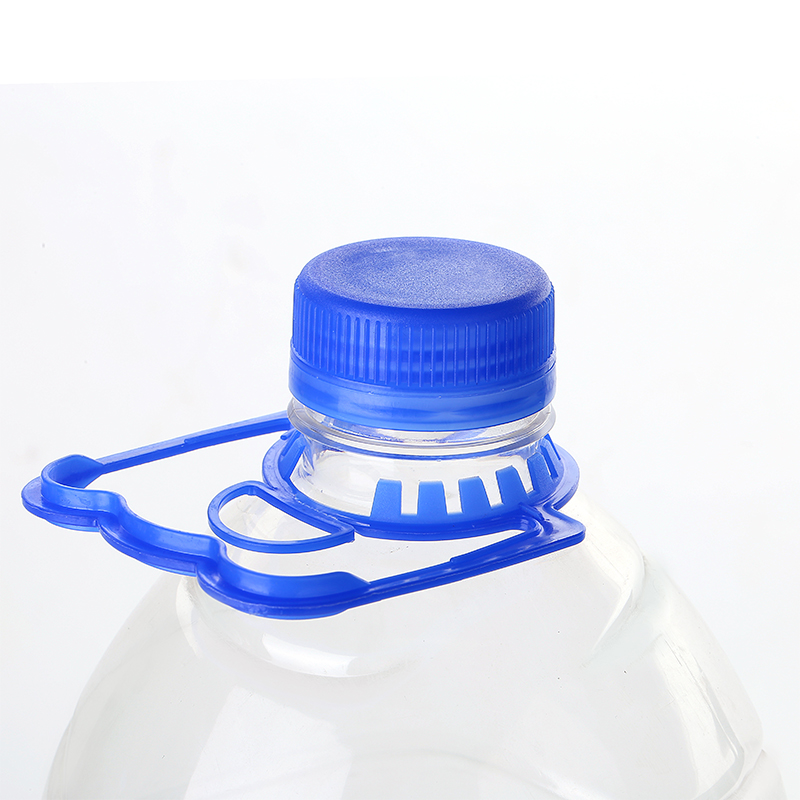
The process of adding a bottle handle to your containers involves multiple interconnected decisions about design, materials, attachment methods, and production workflow. A well-executed bottle handle integration improves grip comfort, reduces spillage risk, and creates a memorable tactile experience that encourages repeat purchases. Understanding the technical requirements and manufacturing implications of a bottle handle ensures your packaging meets consumer expectations while remaining cost-effective at scale.
Choosing the Right Bottle Handle Material and Design
Material Selection for Durability and Cost
The material you select for your bottle handle directly impacts durability, production cost, and consumer perception. Polyethylene (PE) remains the industry standard for bottle handle manufacturing due to its strength, flexibility, and affordability. A bottle handle made from PE resists cracking under repeated use and maintains structural integrity across temperature variations. High-density polyethylene (HDPE) offers superior rigidity, making it ideal for heavy bottles, while low-density polyethylene (LDPE) provides better flexibility for smaller containers. Polypropylene (PP) serves as an alternative that delivers excellent chemical resistance and can withstand hot-fill processes. When selecting material for your bottle handle, consider the product type, expected consumer handling patterns, and storage conditions. Evaluating material cost against long-term brand reputation prevents penny-pinching that leads to handle failure and negative customer reviews.
Design Ergonomics and Aesthetic Integration
A bottle handle must balance ergonomic comfort with visual harmony on your packaging. The handle width should accommodate various hand sizes—typically between 20mm and 50mm depending on bottle volume and target demographics. Your bottle handle design should curve slightly inward to reduce fatigue during extended carrying and create a natural grip point. Aesthetic considerations matter equally: the bottle handle color can match your brand identity, contrast for visibility, or blend seamlessly with the container. Thickness variations in your bottle handle affect both cost and performance; thicker handles reduce flex but increase material weight and expense. Testing prototype designs with actual consumers helps validate whether your bottle handle design meets real-world comfort expectations before full production launch. A well-designed bottle handle becomes an invisible feature—customers don't consciously notice it until it's missing.
Attachment Methods and Assembly Integration
Molding Techniques for Bottle Handle Attachment
Most commercial bottle handle integration occurs through injection molding, where the bottle handle becomes part of the container during initial manufacturing. Two-shot molding allows simultaneous production of both the bottle and bottle handle, creating a seamless, permanent bond that eliminates assembly steps. This method reduces labor costs and guarantees structural integrity since the handle and bottle form as unified components. Overmolding represents an alternative where plastic is applied over existing handles or attachment points, useful when retrofitting existing bottle designs. Choosing between these molding techniques depends on production volume, tooling investment capacity, and timeline constraints. Single-cavity molds for prototyping bottle handle designs differ significantly from multi-cavity industrial molds; scaling from prototype to production requires specialized engineering input. Understanding the capabilities and limitations of your manufacturing partner's molding equipment ensures your bottle handle design remains technically feasible and economically viable.
Post-Molding Assembly and Quality Control
If your bottle handle requires post-molding attachment, establishing robust assembly processes prevents quality failures. Snap-fit mechanisms represent a common approach where the bottle handle clicks into pre-molded receptacles on the container, eliminating adhesives and fasteners. Adhesive bonding offers flexibility for retrofitting handles onto existing bottles, though selecting the correct adhesive chemistry ensures long-term durability and resistance to product contents. Ultrasonic welding fuses the bottle handle to the container through vibration and heat, creating permanent joints without additional materials. Testing pull-strength and stress endurance of your bottle handle attachments across quality samples ensures consistency across production batches. Implementing statistical process control tracks bottle handle attachment performance over time, identifying equipment drift before quality failures reach customers. Documentation of assembly procedures and worker training prevents human error from compromising bottle handle integrity during manufacturing.
Production Workflow and Regulatory Compliance
Integrating Bottle Handle Production Into Existing Lines
Successfully integrating a bottle handle into your packaging requires workflow modifications that account for additional manufacturing steps without creating bottlenecks. If your bottle handle attaches after initial bottle molding, timeline studies establish how many secondary machines are required to keep pace with primary production. Ergonomic workstation design for bottle handle assembly reduces worker fatigue and injury risk while maintaining throughput consistency. Training programs ensure every technician understands proper bottle handle installation techniques, preventing defect propagation through production batches. Equipment maintenance schedules prevent unexpected downtime that disrupts bottle handle attachment operations and delays shipments. Inventory management for bottle handle components—whether pre-molded or raw materials—must coordinate with overall bottle production scheduling. Implementing just-in-time delivery of bottle handle supplies reduces storage space while preventing shortages that halt assembly lines.
Regulatory Standards and Consumer Safety
Your bottle handle must comply with food safety regulations and consumer protection standards applicable to your market. The FDA Food and Drug Administration regulations govern materials that contact food or beverages, requiring documentation that your bottle handle materials meet migration limits for harmful substances. ISO standards define mechanical strength requirements for handles on beverage containers, ensuring structural reliability across expected use conditions. Labeling requirements may mandate clear warnings about weight capacity or proper usage of your bottle handle. Regional regulations in Europe, Asia, or other markets impose additional specifications that your bottle handle design must satisfy before market entry. Conducting third-party testing validates that your bottle handle meets all applicable standards before commercial production begins. Documentation retention proves compliance history, protecting your brand during recalls or regulatory inquiries. Proactive engagement with regulatory agencies prevents costly redesigns late in the product development cycle.
FAQ
What material is best for a bottle handle used in cold beverage packaging?
High-density polyethylene (HDPE) is optimal for cold beverage bottle handle applications because it maintains structural rigidity at low temperatures and resists embrittlement that affects other plastics. HDPE also provides excellent moisture resistance, preventing degradation when bottles are refrigerated or stored in humid environments. The bottle handle made from HDPE delivers consistent performance across temperature fluctuations that occur during distribution from cold storage to ambient retail shelves.
Can a bottle handle be added to existing bottle designs without complete redesign?
Yes, a bottle handle can be retrofitted to existing bottles using adhesive bonding or snap-fit attachment methods without requiring complete mold redesign. Adhesive-based bottle handle integration allows compatibility with current production equipment while adding value to existing products. However, structural testing must verify that the existing bottle design can safely support the additional stress that a bottle handle creates during consumer handling.
How do I ensure my bottle handle meets food safety regulations?
Obtain material certifications from your bottle handle supplier confirming FDA compliance and migration test results for food contact applications. Conduct independent third-party testing through accredited laboratories that verify your bottle handle material doesn't leach harmful substances into beverage contents. Maintain detailed documentation of all compliance testing and material certifications to demonstrate regulatory adherence to authorities and customers throughout your product lifecycle.