
 EN
EN



A bottle handle is one of the most critical functional components in beverage packaging, bearing the full weight of a filled container during transport and use. Selecting the right materials for a bottle handle directly impacts product durability, user safety, and brand reputation. Manufacturers face intense pressure to deliver bottle handle solutions that withstand repeated stress cycles, temperature variations, and chemical exposure while maintaining cost efficiency and sustainability standards.
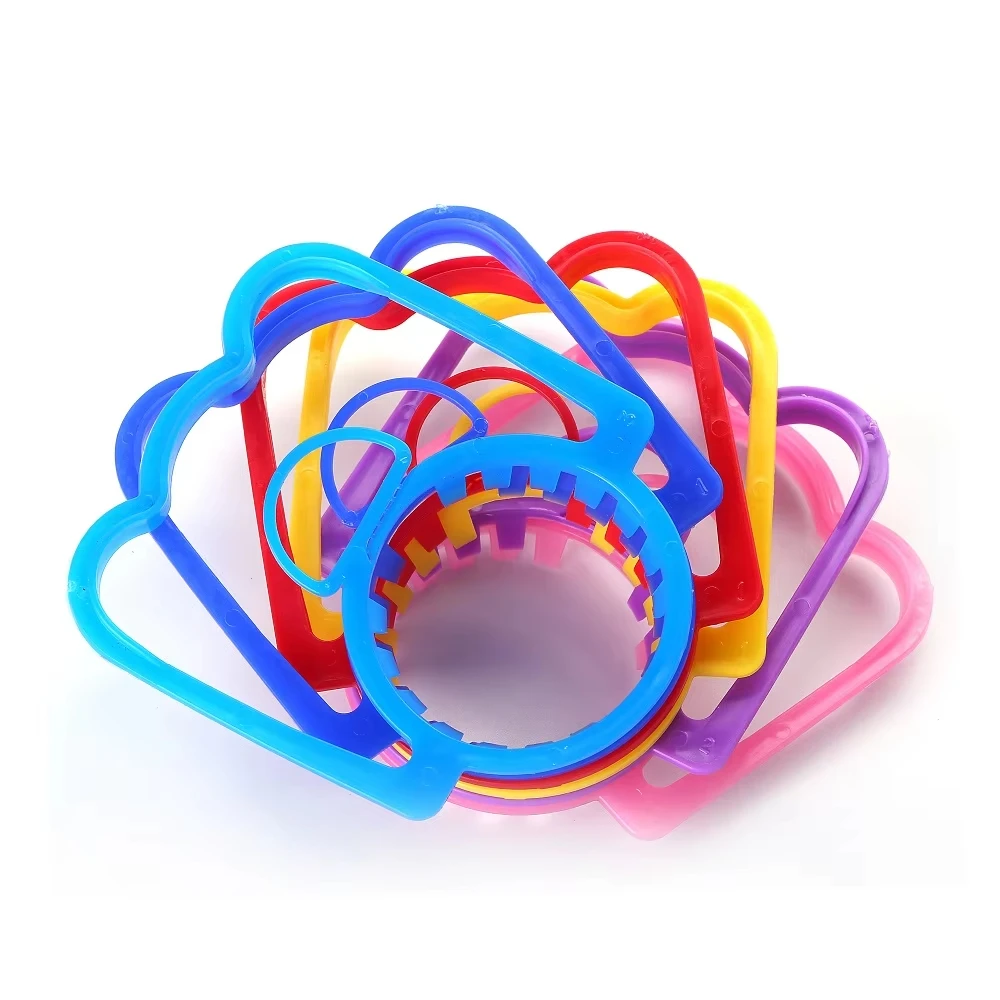
The engineering of a bottle handle requires deep understanding of material science, structural mechanics, and real-world performance conditions. High tensile strength remains the cornerstone criterion for bottle handle selection, determining whether the handle will fracture under load or perform reliably across millions of consumer interactions. This article explores the material options, design considerations, and testing frameworks that ensure a bottle handle meets demanding industrial standards.
Understanding Tensile Strength in Bottle Handle Design
Why Tensile Strength Matters for Bottle Handle Performance
Tensile strength represents the maximum stress a material can endure before breaking under tension. For a bottle handle, this property directly correlates to failure risk during consumer use. When a consumer grabs a filled beverage bottle, the handle experiences pulling forces concentrated at attachment points. A bottle handle with insufficient tensile strength will crack, snap, or separate from the container body, resulting in product loss, potential injury, and warranty claims. High tensile strength in a bottle handle ensures the component withstands both the peak load of initial grab and the cumulative fatigue from repeated use cycles over the product shelf life.
Load Analysis and Safety Margins in Bottle Handle Engineering
Engineers specify bottle handle materials based on calculated load scenarios. A typical filled beverage bottle weighs between two and three kilograms, but dynamic handling introduces peak forces significantly higher than static weight. A bottle handle must safely support at least five times the expected maximum load to maintain required safety factors. The attachment points where a bottle handle connects to the container experience the highest stress concentration, making material choice at these junctions absolutely critical. Tensile strength testing of bottle handle samples under controlled conditions predicts real-world performance and validates material selections before full production begins.
Material Selection for Bottle Handle High Tensile Strength Applications
Polyethylene and Polypropylene for Bottle Handle Manufacturing
Polyethylene and polypropylene represent the most widely deployed polymers in bottle handle production due to their combination of strength, cost effectiveness, and processability. Linear low-density polyethylene provides a bottle handle with moderate flexibility and impact resistance, crucial for withstanding sudden grip forces without brittle fracture. High-density polyethylene improves tensile strength compared to standard grades, enabling thinner bottle handle designs that reduce material costs while maintaining structural performance. Polypropylene offers higher tensile strength than most polyethylene variants, making it the preferred choice when bottle handle applications demand superior strength-to-weight ratios or extended temperature tolerance. Reinforced polypropylene, infused with glass fiber or mineral additives, can achieve tensile strengths exceeding 70 megapascals, suitable for heavier beverage formats and industrial liquid containers where bottle handle durability becomes non-negotiable.
Advanced Composites and Engineering Plastics for Premium Bottle Handle Solutions
When standard plastics prove insufficient, engineering plastics and fiber-reinforced composites deliver exceptional tensile strength for specialized bottle handle applications. Nylon compounds, particularly glass-filled nylon, provide tensile strengths reaching 80 to 100 megapascals while maintaining flexibility and fatigue resistance. These materials excel in industrial and food service sectors where bottle handle components face more aggressive handling and temperature extremes. Polyethylene terephthalate, commonly known as PET, offers superior tensile strength and chemical resistance, making it suitable for bottle handle applications involving acidic beverages, oils, or solvents. Carbon fiber reinforced polymers represent the highest-performance tier, delivering tensile strengths exceeding 150 megapascals for specialized applications where bottle handle failure poses safety or environmental risks. The choice between standard and advanced materials depends on specific load requirements, cost targets, and regulatory constraints governing the final beverage product.
Design Optimization and Testing Standards for Bottle Handle Durability
Structural Design Principles Maximizing Bottle Handle Tensile Performance
The geometry of a bottle handle profoundly influences its tensile strength performance independent of material selection. Stress concentration at attachment points demands careful radii design and wall thickness optimization throughout the bottle handle structure. Sharp internal corners in a bottle handle create stress risers that initiate cracks at loads far below the material's nominal tensile strength rating. Smooth transitions, generous fillet radii, and uniform wall thickness distribute loads more evenly across the bottle handle, substantially improving fatigue life. The grip surface of a bottle handle requires sufficient width and ergonomic shaping to prevent hand slipping, while internal ribbing and reinforcement patterns enhance structural rigidity without excessive weight penalty. Modern bottle handle design employs finite element analysis to simulate stress distribution under various load scenarios, validating tensile performance predictions before physical prototyping begins.
Testing Protocols and Quality Assurance for Bottle Handle Performance Validation
Rigorous testing protocols ensure that bottle handle materials and designs meet tensile strength requirements before market deployment. Static tensile tests measure the maximum load a bottle handle can withstand under continuous pulling force, providing baseline material properties. Cyclic fatigue testing applies repeated loading cycles equivalent to thousands of consumer interactions, revealing how a bottle handle performs under realistic usage patterns. Impact testing evaluates a bottle handle's ability to withstand sudden shock loads without catastrophic failure, critical for dropped bottles and rough handling scenarios. Environmental stress cracking tests expose bottle handle samples to chemical and temperature conditions matching the target beverage product, verifying that tensile strength remains stable across intended shelf life. Drop testing and dynamic load analysis validate bottle handle performance in real-world distribution and consumer handling conditions, ensuring that material selections and designs deliver consistent safety and reliability across the entire product lifecycle.
FAQ
What tensile strength rating should my bottle handle meet for standard beverage applications?
Standard beverage applications typically require bottle handle materials with minimum tensile strength between 30 and 50 megapascals, depending on container size and liquid density. A bottle handle for water or soft drink bottles usually specifies lower tensile strength than a bottle handle for heavier products like juice or sports drinks. Always verify that the bottle handle material exceeds calculated worst-case load scenarios by at least a 3:1 safety factor to account for material degradation, environmental stress, and manufacturing variability.
How does temperature affect bottle handle tensile strength during storage and shipping?
Temperature fluctuations can reduce bottle handle tensile strength significantly, particularly for polymeric materials. A bottle handle may lose 10 to 30 percent of its tensile strength at elevated temperatures or below freezing, depending on the specific material composition. Polypropylene-based bottle handle solutions typically maintain better high-temperature performance than polyethylene alternatives, while advanced materials like PET or nylon compounds offer superior thermal stability across wider temperature ranges. Accelerated aging tests simulate months of environmental exposure to verify that your bottle handle retains adequate tensile strength throughout the intended distribution and storage timeline.
Can a Bottle Handle be recycled while maintaining structural performance requirements?
Recycled plastic materials can be engineered into bottle handle solutions, but typically exhibit 10 to 20 percent lower tensile strength compared to virgin polymer grades. A bottle handle manufactured from recycled polyethylene or polypropylene requires compensating design modifications, such as increased wall thickness or reinforcement ribs, to achieve equivalent performance standards. Many manufacturers blend virgin and recycled materials to balance sustainability goals with bottle handle tensile strength requirements, though regulatory approval and rigorous testing protocols must validate that the resulting bottle handle meets all applicable safety and performance standards for the specific beverage category.