
 EN
EN


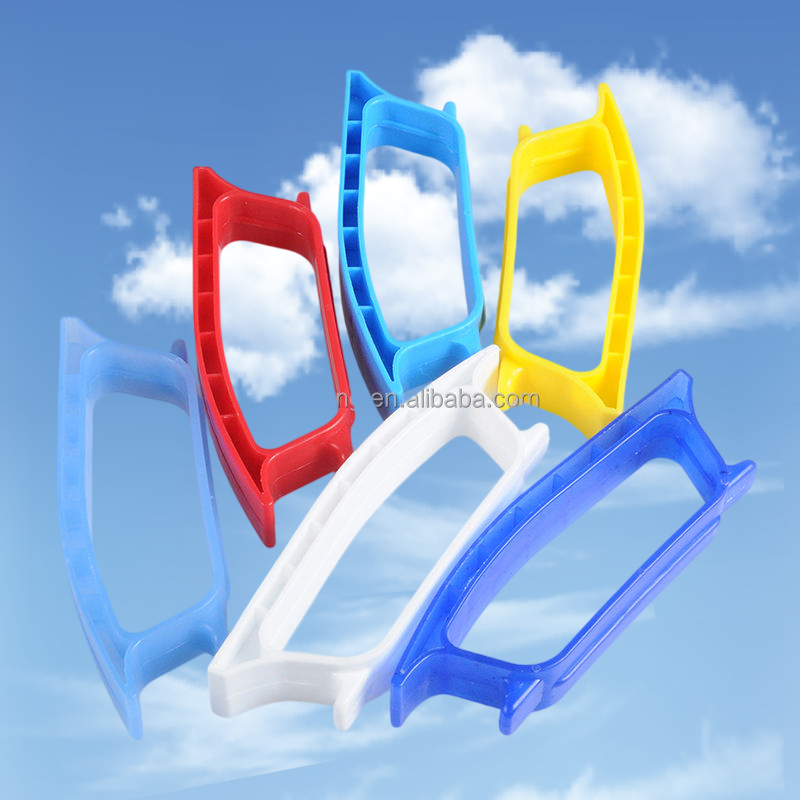
The beverage industry faces a persistent challenge: consumers and distributors need convenient ways to transport bottles safely and comfortably. A well-designed bottle handle transforms the user experience by eliminating awkward gripping, reducing hand fatigue, and making bulk carrying practical. Modern bottle handle innovations have evolved from simple plastic loops into sophisticated solutions that balance durability, ergonomics, and aesthetic appeal. Whether for water, juice, milk, or specialty beverages, the right bottle handle becomes an essential feature that influences purchasing decisions and brand perception.
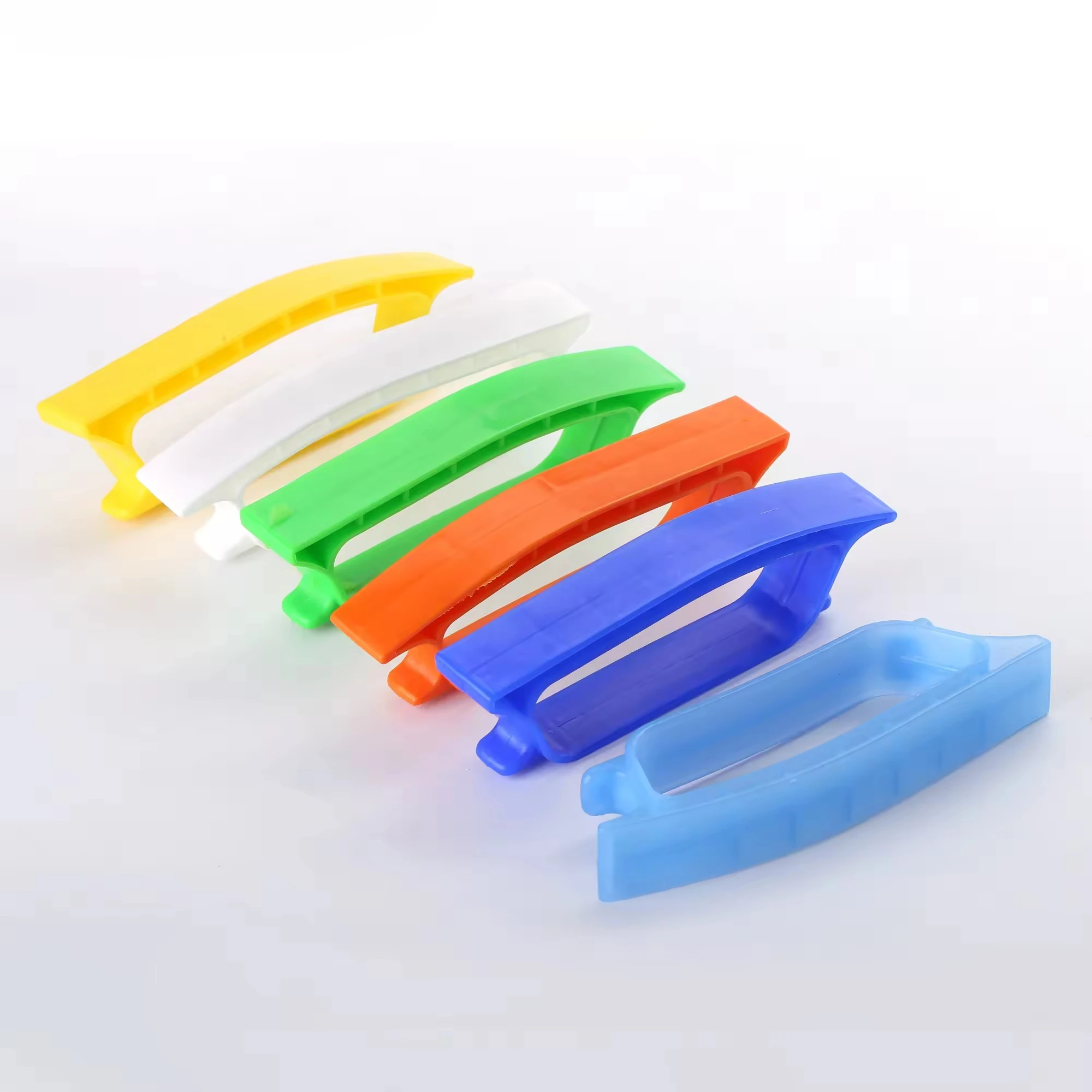
A high-quality bottle handle does more than improve functionality; it communicates brand quality and commitment to customer satisfaction. When beverage manufacturers invest in thoughtful bottle handle design, they reduce product returns, increase repeat purchases, and build customer loyalty. This article explores the key innovations transforming bottle handle technology and explains why beverage companies should prioritize this often-overlooked packaging element.
Understanding Modern Bottle Handle Design Innovation
Core Features of Today's Bottle Handle Solutions
Contemporary bottle handle engineering addresses multiple functional requirements simultaneously. A bottle handle must support the full weight of the beverage without degradation, resist temperature fluctuations, and maintain structural integrity over hundreds of use cycles. Today's bottle handle designs incorporate reinforced attachment points, pressure-tested joints, and materials formulated to resist UV exposure and chemical interaction with various beverage types. The bottle handle geometry itself has been refined through ergonomic research to fit different hand sizes comfortably while distributing weight evenly across palm and fingers.
Material Advances in Bottle Handle Manufacturing
The evolution of bottle handle materials represents a major innovation driver in the beverage packaging sector. Traditional rigid plastics have given way to engineered polymers that offer superior flexibility, impact resistance, and temperature tolerance. A premium bottle handle now utilizes co-injection molding, allowing manufacturers to combine soft-touch grip surfaces with rigid structural cores in a single bottle handle component. Some advanced bottle handle solutions incorporate recycled plastics or biodegradable materials, aligning with industry sustainability goals while maintaining performance benchmarks that meet or exceed those of conventional bottle handle solutions.
Ergonomic and Practical Advantages of Innovative Bottle Handles
Reducing Customer Fatigue and Improving Satisfaction
A well-engineered bottle handle dramatically reduces the physical strain associated with transporting beverages. When a bottle handle is properly contoured, grip width is optimized, and weight distribution is balanced, customers experience noticeably less hand and wrist fatigue. This bottle handle advantage becomes particularly significant for bulk purchases or multi-pack carrying, where traditional gripping methods cause discomfort and potential product damage. Beverage companies that adopt innovative bottle handle designs report higher customer satisfaction ratings, fewer complaints about packaging functionality, and improved brand perception in consumer reviews and feedback channels.
Safety and Durability Benefits
Modern bottle handle innovations prioritize structural reliability and failure prevention. An advanced bottle handle undergoes rigorous load testing to ensure it withstands forces far exceeding typical use conditions. The bottle handle attachment mechanism has been refined through engineering analysis to eliminate stress concentrations and potential break points. When a bottle handle fails unexpectedly, it creates liability concerns and damages brand reputation; conversely, a dependable bottle handle that performs consistently under diverse conditions builds consumer confidence. Enhanced bottle handle designs also incorporate safety features such as smooth edges, non-slip surfaces, and fail-safe geometry that prevents sudden structural collapse even under extreme strain.
Industry Applications and Market Differentiation
Competitive Positioning Through Bottle Handle Excellence
In crowded beverage markets, product differentiation often hinges on practical details that consumers encounter during purchase and use. A distinctive bottle handle design becomes a tangible brand marker that competitors cannot easily replicate without significant investment in tooling and development. The bottle handle offers an ideal platform for custom branding, logo integration, and color options that reinforce brand identity at point of sale. Companies that implement innovative bottle handle solutions frequently report measurable increases in shelf appeal, consumer pick-up frequency, and conversion from browser to buyer in retail environments. The bottle handle innovation thus serves dual functions: enhancing practical utility while simultaneously strengthening brand recognition and market positioning.
Adaptability Across Beverage Segments
Different beverage categories impose unique demands on bottle handle design. Water bottle bottle handle requirements differ from milk container handles due to weight, temperature range, and storage conditions. Specialty beverage producers benefit from customizable bottle handle solutions that can be tailored to specific product weights, bottle shapes, and transportation scenarios. A versatile bottle handle manufacturing process enables rapid prototyping and scaling across multiple product lines without requiring separate production infrastructure. This adaptability in bottle handle technology allows mid-sized beverage companies to compete with industry giants by offering unique, customized solutions that resonate with their target demographic.
Implementation Considerations for Beverage Manufacturers
Design and Customization Options
When selecting a bottle handle solution for production, manufacturers must balance aesthetic aspirations with functional requirements and cost constraints. A thoughtfully designed bottle handle can incorporate company logos, QR codes, promotional messaging, or color gradients without compromising structural integrity. Working with specialized bottle handle manufacturers who understand both injection molding capabilities and beverage industry standards ensures that customized solutions deliver on both visual appeal and performance. The bottle handle development process typically involves prototype testing, material selection consultation, and production-scale validation before full commercial launch.
Quality Assurance and Compliance Standards
Beverage manufacturers must ensure that any bottle handle solution meets established food contact regulations, safety standards, and industry guidelines. A compliant bottle handle uses materials approved for direct contact with food and beverages, undergoes appropriate testing for chemical migration, and maintains documentation supporting regulatory compliance. Professional bottle handle manufacturers maintain quality control systems that verify every production batch meets specified dimensional tolerances, material properties, and performance benchmarks. Investing in a bottle handle from a supplier with established compliance infrastructure protects manufacturers from regulatory risk and consumer safety concerns.
FAQ
What makes a bottle handle ergonomic and user-friendly?
An ergonomic bottle handle incorporates several design elements: appropriate grip diameter to fit average hand sizes, smooth contoured surfaces that distribute pressure evenly, adequate spacing between hand and bottle surface to prevent pinching, and sufficient structural rigidity to support full bottle weight without deformation. The bottle handle should also position the carrying point to balance the bottle naturally, preventing tipping or awkward wrist angles during transport.
How do modern materials improve bottle handle performance?
Contemporary bottle handle materials offer superior flexibility, impact absorption, and temperature resistance compared to older rigid plastics. Advanced polymer formulations allow a bottle handle to flex slightly under load, reducing stress on attachment points and extending product lifespan. These engineered materials enable a bottle handle to maintain functionality across wide temperature ranges, resist degradation from UV exposure, and withstand repeated carrying cycles without developing cracks or brittleness.
Can a bottle handle design be customized with branding?
Yes, modern bottle handle manufacturing supports extensive customization including color matching, logo embedding, texture variation, and custom grip profiles. A branded bottle handle becomes a visible marketing element that reinforces brand identity throughout the product's lifecycle. Manufacturers working with experienced bottle handle suppliers can integrate branding elements during the molding process, ensuring durability and visual quality without adding production complexity or cost.