
 EN
EN



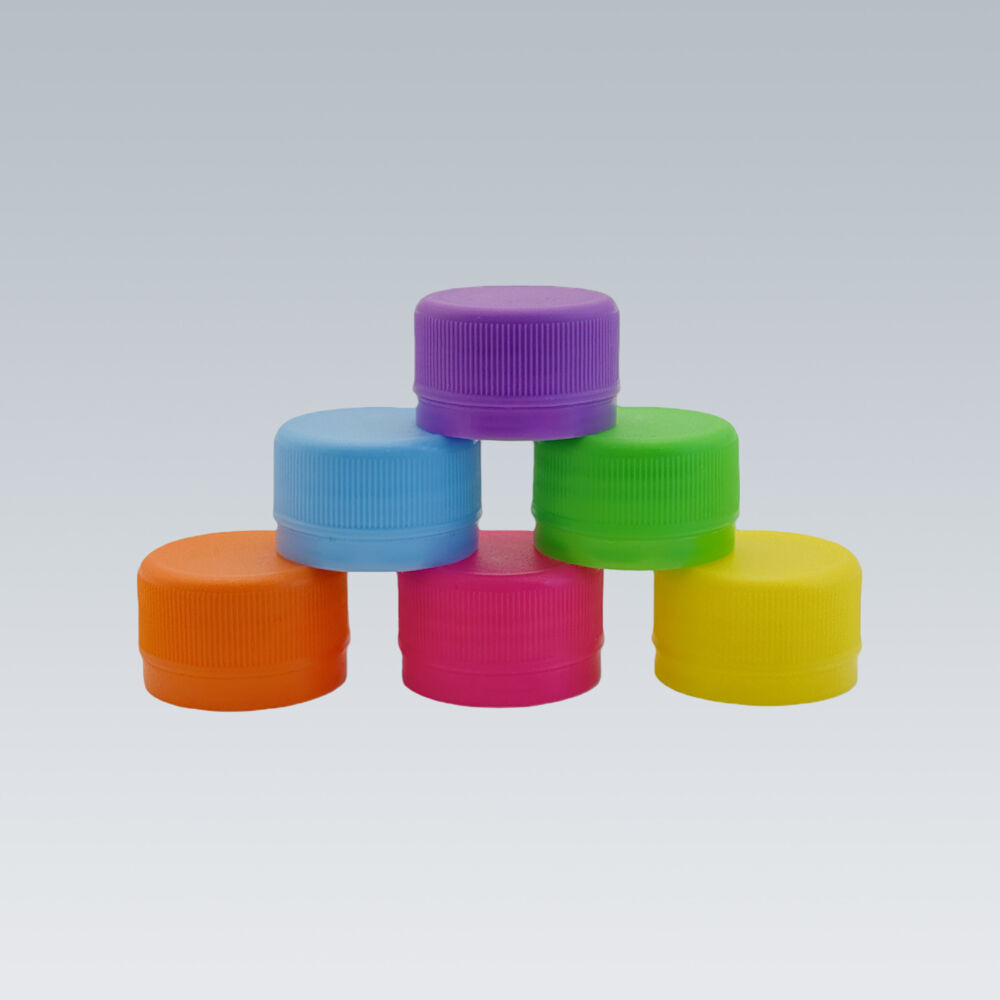
İçecek ambalajı için satın alma yöneticileri, mali verimlilik, ürün koruması ve tüketici konforunu dengeleyen kapama sistemleri seçerken kritik kararlar vermek zorundadır. PCO1812 Kapağı, şişelenmiş içecek sektöründe yaygın olarak kabul edilen standart bir çözümdür; ancak bu kapağın tam teknik özellik profilini anlamak, satın alma kararlarını, tedarikçi görüşmelerini ve kalite güvence protokollerini doğrudan etkileyen ayrıntılı teknik bilgiyi gerektirir. Bu kapsamlı kılavuz, gerçek dünya uygulamalarında PCO1812 Kapağı performansını belirleyen özel parametreleri, boyutsal toleransları, malzeme bileşimlerini ve işlevsel özelliklerini ele alır.

İçecek ambalajı portföylerini yöneten satın alma profesyonelleri için PCO1810 kapak özelliği, basit boyutsal ölçümlerden daha fazlasını kapsar. Bu kapaklar, su, karbonatlı içecekler ve meyve suyu uygulamalarında yaygın olarak kullanılan standart boyun bitişleriyle uyumlu çalışır; burada hermetik mühürleme bütünlüğü, ürünün raf ömrünü ve marka itibarını belirler. Tam teknik özellik çerçevesini anlama, satın alma ekiplerinin tedarikçi yeteneklerini doğru şekilde değerlendirmesine, uygun kalite kontrol noktalarını uygulamasına ve genel ürün tanımları yerine ölçülebilir performans kriterlerine dayalı sözleşme müzakereleri yapmasına olanak tanır.
Boyutsal Standartlar ve Fiziksel Spesifikasyonlar
Kritik Çap ve Yükseklik Parametreleri
PCO1812 kapak, karşılık gelen şişe boyun bitişlerine uyum sağlamak amacıyla sektörde kabul görmüş standart boyutlandırma özelliklerine uyar. Nominal dış çapı 28 milimetredir; yüksek hızda üretim işlemlerinde tutarlı kapaklama makinesi performansını sağlamak için tolerans aralıkları genellikle ±0,3 milimetre içinde tutulur. Kapak yüksekliği özellikleri, kapatma tasarımı varyasyonlarına, açılmaya karşı koruma bant yapılarına ve toplam dikey boyutu etkileyen iç astar gereksinimlerine bağlı olarak genellikle 14 ila 17 milimetre arasında değişir.
Satınalma yöneticileri, PCO1812 Kapak'ın boyutsal uyumluluğunun PCO1810 ailesinin genel kapsamıyla aynı olduğunu ancak vida derinliği ve astar sıkıştırma özellikleri açısından ince farklar bulunduğunu fark etmelidir. İç çap spesifikasyonları, conta performansıyla doğrudan ilişkilidir ve astar arayüzünde optimum temas basıncı dağılımını elde etmek için üretim sırasında kesin kontrol gerektirir. Vida başlangıç pozisyonları, farklı üretim hattı yapılandırmalarında otomatik uygulama ekipmanlarının senkronizasyonunu kolaylaştıran standartlaştırılmış açısal yönelimleri takip eder.
Standart için ağırlık spesifikasyonları PCO1810 kapak tasarımlar, duvar kalınlığı seçimlerine, açmaya karşı koruma bandı tasarımının karmaşıklığına ve malzeme yoğunluğu değişikliklerine bağlı olarak genellikle 1,8 ile 2,4 gram arasında değişir. Bu ağırlık parametreleri, malzeme tüketimi hesaplamalarını, nakliye maliyeti tahminlerini ve tedarik karar çerçevelerini giderek daha fazla etkileyen sürdürülebilirlik metriklerini doğrudan etkiler. Üretim partileri boyunca boyutsal tutarlılık, kapak takma makinesinin ayarlama sıklığını ve toplam sahip olma maliyeti hesaplamalarını etkileyen genel ekipman etkinliği ölçümlerini belirler.
Dişli Yapı ve Kavrama Geometrisi
PCO1812 Kapağın vida profili, ürün dağıtım döngüleri boyunca dönel uygulama torkunu, sökme kuvveti karakteristiklerini ve conta bütünlüğünün korunmasını düzenleyen kesin geometrik standartlara uyar. Standart vida adımı ölçümleri, sektördeki standart özelliklere göre kalibre edilmiş otomatik kapaklama ekipmanlarıyla uyumluluğu sağlarken, vida derinliği parametreleri kapatma işlemi sırasında elde edilen mekanik avantajı belirler. Vida yan yüz açıları, iç astar malzemelerini şişe kenar yüzeylerine sıkıştırarak sızdırmaz contalar oluşturmak için eksenel basınç kuvvetlerinin dağılımını etkiler.
Satın alma teknik şartnamesi, başlangıçta temas kurulduktan sonra tam olarak oturuncaya kadar genellikle 1,5 ila 2,0 tam dönüş içeren vida etkileşim gereksinimlerini ele almalıdır. Bu etkileşim aralığı, mühür sıkıştırmasının yeterli düzeyde olmasını sağlamakla birlikte, açılır-kapatılır bantların bozulmaya karşı kanıtı sağlama performansını tehlikeye atabilecek ya da tüketici tarafından açılmasını zorlaştıracak aşırı uygulama torkunu önlemeyi dengeler. Vida dibinin yarıçapı ile ilgili teknik şartnameler, özellikle darbe direnci daha düşük özelliklere sahip malzemelerden üretilen kapaklar için, vida uygulaması veya çıkartılması sırasında mekanik arızaya yol açabilecek gerilme yoğunluğunu önler.
Başlangıç dişi konumu PCO1810 kapak tasarımlar, otomatik kapak takma makinesi mandren konfigürasyonlarıyla senkronize olan standartlaştırılmış açısal yönelimleri takip eder. Bu standartlaşma, satın alma yöneticilerinin üretim hattında kapsamlı yeniden kalibrasyon veya ekipman modifikasyonu gerektirmeden birden fazla tedarikçiden kapakları temin etmesini sağlar. Diş çıkmalarına ilişkin toleranslar, kapak uygulama ve çıkarma işlemlerinin pürüzsüzlüğünü etkiler; bu da ürün kalitesine dair tüketici algısını ve markanın premium pozisyonlanmasını etkiler.
Kullanıma Hazır Olmadığını Gösteren Bant Tasarım Özellikleri
PCO1812 kapağı, paket bütünlüğünün bozulmasına dair görünür kanıt sağlayan, gıda güvenliği düzenlemeleri ve tüketici koruma gereksinimleriyle ilgilenen satın alma yöneticileri için kritik bir özellik olan açmaya karşı korumalı (tamper-evident) özellikleri içermektedir. Standart bant tasarımları, ilk tüketici açılışında önceden belirlenmiş tork seviyelerinde kırılacak şekilde tasarlanmış, kapak gövdesine çoklu köprü bağlantıları içerir. Bu köprülerin sayısı, kalınlığı ve açısal dağılımı, açmaya karşı korumalı özelliğin görünürlüğünü tüketici tarafından kolay açılabilirlikle dengeleyen kopma kuvveti karakteristiklerini belirler.
Bant yüksekliği özellikleri genellikle 4 ila 6 milimetre aralığında değişir; bu, tüketici tarafından algılanabilmesi için yeterli görsel belirginlik sağlarken aynı zamanda etiketleme ekipmanlarının açıklıkları ve çoklu paket yapılandırmalarıyla uyumluluğu korur. Kilitlenme halkaları veya dişli tertibat gibi iç tutma özellikleri, bantın ilk açıldıktan sonra ayrılmasını önlemek amacıyla şişe boyunundaki karşılık gelen detaylarla etkileşime girer ve ürün kullanım döngüleri boyunca açılmaya karşı koruma işlevini sürdürür. Bu tutma geometrileri, üretim hacimleri boyunca tutarlı performans sağlamak için enjeksiyon kalıplama sırasında hassas boyutsal kontrol gerektirir.
PCO1812 kapak için güvenlik bantlarının (tamper-evident bands) tedarik spesifikasyonları, genellikle hedef tüketici demografyası ve ürün konumlandırmasına bağlı olarak 8 ila 15 Newton-metre arasında belirtilen köprü kırılma kuvveti aralıklarını içermelidir. Daha düşük kırılma kuvvetleri, yaşlı tüketici grupları veya el gücü azalmış kişiler için açmayı kolaylaştırırken, daha yüksek değerler premium içecek kategorilerinde artırılmış güvenlik algısı sağlar. Bant ayrıldıktan sonra oluşan görsel boşluk, ince detayların tüketici tarafından incelenmesine gerek kalmadan, açık ve tek anlamlı bir müdahale kanıtı sunabilmesi için çoklu görüş açılarından net bir şekilde görünür olmalıdır.
Malzeme Bileşimi ve Performans Özellikleri
Ana Reçine Seçim Kriterleri
PCO1812 Kapağı genellikle yüksek yoğunluklu polietilen, polipropilen veya özel performans gereksinimlerine göre seçilen reçine karışımlarından üretilir; bu seçimleri satın alma yöneticileri, uygulama ihtiyaçlarına karşı değerlendirmelidir. Yüksek yoğunluklu polietilen formülasyonları, standart su ve karbonatlı olmayan içecek uygulamaları için üstün kimyasal direnç, nem bariyeri özellikleri ve maliyet verimliliği sunar. Malzeme yoğunluğu spesifikasyonları genellikle 0,94 ila 0,96 gram/kübik santimetre aralığında değişir ve bu durum kapak ağırlığını, rijitlik özelliklerini ve sıcaklık değişimleri sırasında genel boyutsal kararlılığı etkiler.
Polipropilen varyantları, sıcak doldurma süreçleri, pastörizasyon döngüleri veya yüksek sıcaklık koşullarında uzun süreli oda sıcaklığı depolama gibi uygulamalar için geliştirilmiş sıcaklık direnci ve iyileştirilmiş mekanik özellikler sağlar. Bu malzemeler, standart polietilen formülasyonlarına kıyasla daha geniş sıcaklık aralıklarında diş uyum bütünlüğünü ve kapak contası sıkıştırma kuvvetlerini koruyan daha yüksek eğilme modülü değerleri gösterir. Tedarik yöneticileri, üretim tutarlılığını etkileyen ve enjeksiyon kalıplama işlemlerinde elde edilebilen boyutsal toleransları belirleyen erime akış indeksi parametrelerini belirtmelidir.
PCO1812 kapak uygulamaları için reçine seçimi, farklı polimer kimyasının köpük astarlarla, hamur-kompozitlerle veya özel bariyer malzemeleriyle değişen yapışma özelliklerine sahip olması nedeniyle astar uyumluluğunu doğrudan etkiler. Malzeme spesifikasyonları, kapağın bileşenleri ile ambalajlanan içecekler arasında tat kaybına (flavor scalping), koku geçişine veya kimyasal etkileşime neden olmayacak şekilde göç direnci gereksinimlerini ele almalıdır. Gıda teması uyumluluğu sertifikaları—FDA uyumluluğu ve AB düzenlemelerine uyum gibi—tedarik profesyonelleri tarafından tedarikçi belgeleri ve bağımsız üçüncü parti test doğrulamaları aracılığıyla teyit edilmesi gereken zorunlu spesifikasyon unsurlarıdır.
Astar Malzemesi Spesifikasyonları ve Mühür Performansı
İç astar yapılandırmaları, sızdırmazlık etkinliğini, karbonasyon tutma kapasitesini ve genel ürün koruma performansını belirleyen kritik PCO1812 Kap spesifikasyonlarıdır. Standart astar malzemeleri arasında su uygulamaları için genişletilmiş polietilen köpük, geliştirilmiş gaz bariyer özellikleri gerektiren karbonatlı içecekler için köpük-ve-folyo laminatları ve oksijen bariyer özelliklerine ihtiyaç duyan meyve suyu ürünlerinde kullanılan hamur-karton kompozitleri yer alır. Astar kalınlığı spesifikasyonları, kapak sıkma kuvveti gereksinimlerine ve şişe boyun yüzey özelliklerine bağlı olarak genellikle 1,0 ila 2,5 milimetre aralığında değişir.
Tedarik spesifikasyonları, uzun süreli depolama süreçleri sırasında malzemelerin gerilim gevşemesi yaşaması nedeniyle uzun vadeli conta bütünlüğünün korunmasını belirleyen kapak astarı sıkıştırma seti özelliklerini ele almalıdır. Uygun astar malzemesi seçimi, ürünün öngörülen raf ömrü boyunca tutarlı conta kuvveti korunmasını sağlar ve böylece içecek kalitesini tehlikeye atan erken karbonasyon kaybını, oksijen girişi veya mikrobiyal kontaminasyonu önler. Astarın kapak kabuğuna yapışması, dağıtım sürecinde delaminasyonu önlemek için kontrol edilmiş bağlanma parametreleri gerektirir; ancak aynı zamanda şişe ağız yüzeyine karşı doğru conta oluşumunu da sağlamalıdır.
PCO1812 kapak astarı malzemelerinin sıkıştırılabilirlik özellikleri, genellikle standart yapılandırmalar için 12 ila 18 inç-libre (inch-pounds) arasında belirtilen gerekli uygulama torku aralıklarını belirler. Daha yüksek sıkıştırma sağlayan astarlar, artırılmış conta kuvveti ve iç basınç değişimlerine karşı daha iyi direnç sağlar; ancak bu, bazı otomatik kapak takma ekipmanlarının kapasitesini aşabilecek şekilde daha yüksek uygulama torkları gerektirir. Satın alma müdürleri, astar teknik özellik parametrelerini belirlerken conta performansı gereksinimlerini üretim hattı ekipmanı teknik özelliklerine ve tüketici tarafından istenen açma kuvveti tercihlerine göre dengelendirmelidir.
Renk Formülasyonu ve Yüzey İşleme Seçenekleri
PCO1812 Kapak, reçine karıştırma sırasında masterbatch pigment ilavesiyle neredeyse sınırsız renk formülasyonunda üretilebilir; bu durum marka kimliği uygulamasını ve ürün çizgisi farklılaştırma stratejilerini etkiler. Standart renk eşleştirmesi, Pantone referansları da dahil olmak üzere sektördeki renk sistemlerine uyar. Görsel kalite kontrolü için kabul edilebilir varyasyon sınırlarını belirten tolerans spesifikasyonları uygulanır. Opak (mat) formülasyonlar, yarı saydam veya şeffaf varyantlara kıyasla daha yüksek pigment yükleme seviyeleri gerektirir; bu durum malzeme maliyet yapısını etkiler ve potansiyel olarak mekanik özellik karakteristiklerini de etkileyebilir.
PCO1812 Kapak uygulamaları için yüzey işlemi spesifikasyonları, doğrudan dekorasyon yöntemleri için baskı yapıştırma özelliklerini artırmak amacıyla korona işlemi veya çizilmeye dayanıklılığı ve üst düzey görünüm özelliklerini iyileştirmek amacıyla özel kaplamaları içerebilir. Bu yüzey modifikasyonları, rekabetçi içecek pazarlarında premium fiyatlandırma stratejilerini haklı çıkaran geliştirilmiş marka sunumu yeteneklerine olanak tanırken aynı zamanda tedarik maliyet yapılarını da etkiler. UV stabilizatörü katkı maddeleri, dağıtım ve perakende vitrinlerinde güneş ışığına maruz kalan kapaklar için önemli bir spesifikasyondur; bunlar renk solmasını önler ve ürün raf ömrü boyunca marka tutarlılığını korur.
Satınalma yöneticileri, pigment dağılımı ve kalıplama süreçlerinde doğasında bulunan parti arası değişkenliği dikkate alan renk tutarlılığı spesifikasyonları belirlemelidir. Delta-E renk farkı ölçümleri, nicel kontrol parametreleri sağlar; kabul edilebilir değer aralığı genellikle markanın hassasiyetine ve tüketici algısı üzerine yapılan araştırma sonuçlarına bağlı olarak 1,0 ila 2,0 birim arasında değişir. Metalik veya perlsimsi efekt pigmentleri, üretim süresini ve minimum sipariş miktarlarını etkileyen özel işlem gereksinimleri gerektirir; bu durum satınalma planlaması tarafından dikkate alınmalıdır.
Performans Testleri ve Kalite Kontrol Parametreleri
Uygulama Torku ve Çıkarma Kuvveti Spesifikasyonları
PCO1812 kapak performans özellikleri, açılmaya karşı koruma bandının işlevselliğini tehlikeye atmaksızın yeterli mühür sıkıştırmasını sağlamak amacıyla kesin uygulama torku gereksinimlerini içerir; bu aynı zamanda tüketici tarafından aşırı zorlanma ile açılmasını engellemeyi de sağlar. Standart uygulama torku aralığı 12 ila 18 inç-libre arasında olup, sızdırmaz mühür oluşumu için yeterli astar sıkıştırması sağlarken otomatik kapak takma ekipmanlarının yetenekleriyle uyumluluğunu da korur. Satın alma spesifikasyonlarında, üretim hacimleri ve birden fazla dolum hattı konumu boyunca tutarlı performansı sağlamak amacıyla kabul edilebilir tork değişimi sınırları tanımlanmalıdır; tipik değer ±2 inç-libredir.
Çıkarma torku özellikleri, tüketici tarafından kapak açılma deneyimini belirler ve satın alma yöneticilerinin hedef pazar demografilerine göre değerlendirmesi gereken kritik kalite parametrelerini temsil eder. Standart PCO1812 Kap tasarımında tipik çıkarma kuvveti gereksinimleri 6 ile 12 inç-libre arasında değişir; daha düşük değerler, el gücü azalmış tüketici grupları için açmayı kolaylaştırırken, daha yüksek değerler artmış güvenlik algısı sağlar. Uygulama torku ile çıkarma torku arasındaki ilişki, astar malzemesi özelliklerine, vida geometrisi hassasiyetine ve kapak tasarımına entegre edilen özel tutma özelliklerine bağlıdır.
PCO1812 Kapak Tork Özellikleri için test protokolleri, farklı test ekipmanları ve laboratuvar ortamları boyunca tekrarlanabilir ölçümler sağlamak amacıyla standartlaştırılmış metodolojilere uygun olarak uygulanmalıdır. İzlenebilir standartlara göre kalibre edilen dijital tork ölçüm cihazları, tedarikçi nitelendirme süreçleri ve devam eden kalite doğrulama programları için nicel belgelendirme sağlar. Satınalma sözleşmelerinde, genel kalite yönetim sistemi gereksinimleri ile düzenleyici uyum yükümlülükleriyle uyumlu olacak şekilde test sıklığı, örnek büyüklükleri ve kabul kriterleri belirtilmelidir.
Conta Bütünlüğü ve Sızıntı Önleme Doğrulaması
PCO1812 kapak mühür bütünlüğü özellikleri, içeceklerin korunma etkinliğini belirler ve ürün kalitesinin tutarlılığı ile tüketici memnuniyeti metrikleri üzerinde doğrudan etki yapan kritik satın alma değerlendirme kriterlerini temsil eder. Standart test metodolojileri arasında dağıtım ve depolama ortamlarını simüle eden kontrollü koşullar altında sızıntı oranlarını nicelendiren basınç kaybı ölçümleri yer alır. Gazlı içecek uygulamaları için mühür performansının, 40 ila 80 psi (pound per square inch) aralığında iç basınç koşulları altında doğrulanması gerekir; buna karşılık gazsız ürünlerde mikrobiyal bariyer etkinliği ve atmosferik kontaminasyon önleme odaklıdır.
PCO1812 Kapak uygulamaları için kaçak tespiti spesifikasyonları, kabarcık emisyonu gözlemi, vakum kaybı ölçümü veya izleyici gaz tespiti metodolojileri gibi çeşitli test yaklaşımlarını kullanabilir. Her bir test yaklaşımı, farklı duyarlılık seviyeleri ve tespit yetenekleri sunar; bu nedenle satın alma yöneticileri, bu yaklaşımları ürünün risk profiline ve düzenleyici gereksinimlerine göre değerlendirmelidir. Hızlandırılmış yaşlandırma protokolleri, yüksek sıcaklık maruziyetiyle uzun süreli depolama koşullarını taklit eder ve astar malzemelerinin sıkışma deformasyonu (compression set) ve gerilme gevşemesi (stress relaxation) fenomenlerini yaşadıkları sırada uzun vadeli conta bütünlüğünün korunmasını doğrular.
Tedarik kalitesi anlaşmaları, conta performans testleri için net kabul kriterlerini belirlemelidir; bunlar arasında maksimum izin verilen sızıntı oranları, test örnek boyutları ve düzeltici eylem gerekliliklerini tetikleyen reddetme eşikleri yer almalıdır. Conta performans verilerine uygulanan istatistiksel süreç kontrol yöntemleri, kalite sapmalarının sevkedilen ürün popülasyonlarını etkilemesinden önce üretimdeki kaymaların erken tespit edilmesini sağlar. Tedarikçi yeterlilik süreçleri, test ekipmanlarının kalibrasyonunu, operatör yeterliliğini ve raporlanan performans ölçümlerinin gerçek üretim kalite seviyelerini doğru bir şekilde yansıttığından emin olmak için veri bütünlüğü kontrollerini doğrulamalıdır.
Boyutsal Doğrulama ve Tolerans Kontrolü
PCO1812 Kapak boyutsal özelliklerine ilişkin spesifikasyonlar, işlevsel performansı ve ekipman uyumluluğunu etkileyen kritik parametreleri doğrulayan katı ölçüm protokolleri gerektirir. Temel boyutsal ölçümler arasında dış çap, yükseklik, vida adımı, vida derinliği ve astar kalınlığı yer alır; her biri için tanımlanmış tolerans aralıkları bulunur ve bu aralıklar, tedarik spesifikasyonlarında açıkça belirtilmelidir. Koordinat ölçüm makinesi (CMM) yetenekleri, karmaşık geometrik özellikler için yüksek hassasiyetli doğrulama imkânı sunarken; özel geçiş/kaçış (go/no-go) mastarları, kapaklama makinesi çalışmasını etkileyen kritik boyutların üretim hattında hızlı şekilde kontrol edilmesini sağlar.
PCO1812 Kap özelliklerinin değerlendirilmesi sırasında tolerans birikimi analizi, birden fazla boyuttaki değişikliklerin genel kapanma performansı özelliklerini etkilemesine neden olabilmesi nedeniyle önem kazanır. İstatistiksel tolerans analizi metodolojileri, bireysel boyut değişkenlik dağılımlarına dayanarak performans sapmalarının olasılığını tahmin eder; bu da tedarik yöneticilerinin, kalite gereksinimlerini üretim maliyeti sonuçlarıyla dengeleyen uygun özellik sınırlarını belirlemesini sağlar. Daha sıkı toleranslar, üretim karmaşıklığını artırır ve aynı zamanda tedarikçi seçeneklerini kısıtlayabilirken, son uygulamalardaki performans değişkenliğini azaltır.
Tedarik doğrulama protokolleri, malzemelerin üretim operasyonlarına girmeden önce kritik PCO1812 Kap boyutlarının spesifikasyon gereksinimlerine uygunluğunu doğrulayan gelen malzeme kontrol prosedürlerini içermelidir. Risk temelli örnekleme planları, muayene maliyetini kalite güvencesi güven düzeyleriyle dengeler; yeni tedarikçiler veya kritik boyut parametreleri için daha yüksek örnekleme sıklıkları uygulanır. Zaman içinde toplanan boyutsal ölçüm verileri, tedarikçi performansının trend analizine olanak tanır ve yetenek indeksleri ile uzun vadeli tutarlılık metriklerine dayalı olarak veri odaklı tedarikçi seçim kararlarını destekler.
Mevzuata Uygunluk ve Sertifikasyon Gereksinimleri
Gıda teması güvenliği standartları
PCO1812 Kapak teknik özellikleri, Kuzey Amerika’da FDA düzenlemeleri, Avrupa pazarlarında AB direktifleri ve diğer coğrafi bölgelerde çeşitli ulusal standartlar dahil olmak üzere gıda temas güvenliğiyle ilgili kapsamlı gereksinimleri karşılamalıdır. Malzeme seçimi teknik özellikleri, reçine formülasyonlarının, renklendiricilerin ve katkı maddelerinin, gıda temas uygulamaları için onaylanmış maddeleri belirten pozitif listelere uygun olmasını sağlar. Göç testi protokolleri, kapama malzemelerinden paketlenmiş içeceklerine kimyasal bileşenlerin, belirlenmiş güvenlik eşiklerini aşacak düzeyde geçiş yapmadığını doğrular.
Satınalma yöneticileri, tedarikçilerin düzenli test programları ve kalite sistemi denetimleri aracılığıyla mevzuata uyum gösterdiğini kanıtlayan güncel sertifikalarını sürdürdüklerini doğrulamak zorundadır. PCO1812 Kap ürünleriyle birlikte Uygunluk Belgesi belgeleri gönderilmesi gerekir; bu belgeler, kalite sorunları ortaya çıkması durumunda geri çağırma işlemlerinin etkinliğini sağlayacak şekilde belirli malzeme partilerine ve üretim tarihlerine izlenebilirlik sağlar. Üçüncü taraf laboratuvar testleri, uyum iddialarının bağımsız doğrulamasını sunar; bu özellikle yeni tedarikçilerden ürün temin edilirken ya da bebek formülü veya farmasötik içecek ürünleri gibi hassas uygulamalar için malzemeler değerlendirilirken büyük önem taşır.
Küresel tedarik zinciri operasyonları, nihai ürünlerin dağıtılacağı çok sayıda yargı yetkisine tabi bölgelerdeki düzenleyici gereksinimleri ele alan satın alma spesifikasyonları gerektirir. ISO spesifikasyonları da dahil olmak üzere uyumlu standartlar çerçeve tutarlılığı sağlar; ancak test protokolleri, belgelendirme gereksinimleri ve onay süreçlerindeki bölgesel farklılıklar, ayrıntılı spesifikasyon iletişiminin yapılmasını zorunlu kılar. Tedarikçi nitelendirme süreçleri, ilgili düzenleyici gereksinimlerin anlaşılmasının doğrulanmasını ve kalite yönetim sistemi yeteneklerinin değerlendirilmesini sağlamalıdır; böylece düzenlemeler değiştiğinde sürekli uyumluluk sağlanabilir.
Çevre ve sürdürülebilirlik hususları
Modern PCO1812 kapak teknik özellikleri, geri dönüştürülmüş malzeme kullanımını, ömür sonu geri dönüşümünü ve genel çevresel ayak izinin azaltılmasını ele alan sürdürülebilirlik parametrelerini giderek daha fazla içermektedir. Tüketici sonrası geri dönüştürülmüş reçine kullanımı, satın alma yöneticilerinin kurumsal sürdürülebilirlik taahhütlerini yerine getirmelerine ve çevre dostu ambalaj tercihleri gösteren tüketicilere yanıt vermelerine olanak tanır. Geri dönüştürülmüş içerik spesifikasyonları, malzeme özelliklerindeki değişkenliklerin boyutsal tutarlılığı ve uzun vadeli mühür bütünlüğünün korunmasını etkileyebilmesi nedeniyle çevresel hedefler ile performans gereksinimleri arasında bir denge kurmalıdır.
Satın alma teknik şartnamesi, PCO1812 Kap tasarımlarının geri dönüştürülebilirlik özelliklerini ele almalıdır; böylece malzeme bileşimleri mevcut geri dönüşüm altyapısıyla uyumlu kalmalı ve birincil içecek kaplarının geri dönüşüm akışlarını kirletmemelidir. Tek malzemeden oluşan yapılar, çok malzemeli laminatlara kıyasla geri dönüşümü kolaylaştırır; ancak performans gereksinimleri, kullanım sonrası işleme sürecini zorlaştıran bariyer katmanlarının entegre edilmesini gerektirebilir. Yaşam döngüsü değerlendirmesi verileri, ham madde çıkarımı, üretim, taşıma ve bertaraf aşamaları boyunca çevresel etkileri nicelendirerek satın alma kararlarının alınmasına destek sağlar.
Hafifletme girişimleri, fonksiyonel performansı korurken reçine tüketimini en aza indiren optimize edilmiş tasarım yoluyla PCO1812 Kapak malzeme tüketimini azaltır. Hafifletilmiş tasarımları değerlendiren satın alma yöneticileri, azaltılmış malzeme kütlesinin mekanik dayanım, sızdırmazlık performansı veya açılmaya karşı izlenebilirlik işlevini tehlikeye atmamasını doğrulamalıdır. Sürdürülebilir tasarım alanında tedarikçi yenilik yetenekleri, teknik uzmanlığa ve kurumsal çevre sorumluluğu hedeflerine uyum sağlama açısından tedarikçileri birbirinden ayıran giderek daha önemli değerlendirme kriterleridir.
Kalite Yönetim Sistemi Gereksinimleri
PCO1812 kap tedarikçileri için satın alma spesifikasyonları, süreç kontrolüne yönelik yapılandırılmış yaklaşımları, sürekli iyileştirme ve müşteri memnuniyetini gösteren ISO 9001 sertifikasyonunu da içeren sertifikalı kalite yönetim sistemleri gerektirmelidir. FSSC 22000 veya BRC Ambalaj gibi daha katı gıda güvenliği yönetim sertifikaları, içecek ambalaj uygulamaları için kritik olan kontaminasyon önleme kontrolleri ve izlenebilirlik sistemlerine ilişkin artırılmış güven sağlar. Tedarikçi denetim programları, belgelendirilmiş kalite sistemlerinin gerçek operasyonel uygulamaları yansıtıp yansıtmadığını doğrular ve tedarik edilen malzemenin kalitesini etkileyebilecek potansiyel riskleri önceden belirler.
Değişiklik kontrol prosedürleri, PCO1812 Kap spesifikasyonu değişikliklerinin uygulamaya konulmadan önce uygun değerlendirmeye ve onaya tabi tutulmasını sağlayan kritik kalite yönetim sistemi unsurlarını temsil eder. Tedarik sözleşmeleri, son ürün özelliklerini etkileyebilecek herhangi bir malzeme bileşimi değişikliği, süreç parametresi ayarı veya üretim yeri taşıması gibi durumların tedarikçi tarafından bildirilmesini zorunlu kılmak zorundadır. Doğrulama protokolleri, değiştirilen malzemelerin üretim tedarik zincirine girmeden önce fonksiyonel performansı veya mevzuata uyumluluğu olumsuz etkilemediğini doğrular.
İzlenebilirlik gereksinimleri, tamamlanmış PCO1812 kap partileri ile belirli ham madde partileri, üretim tarihleri ve üretim ekipmanları arasındaki açık bağlantılar aracılığıyla kalite sorunlarına hızlı yanıt verilmesini sağlar. Tedarik şartnamesi, izlenebilirlik verilerinin minimum saklama sürelerini tanımlamalıdır; bu süreler genellikle tamamlanmış içecek ürününün raf ömrüne eşit ya da ondan daha uzun olur ve tedarik edilen malzemelerin piyasadaki ürünler üzerinde etkili olabileceği süre boyunca soruşturma yeteneğinin korunmasını sağlar. Elektronik izlenebilirlik sistemleri, soruşturma süresini kısaltan ve kalite sapmaları nedeniyle piyasadan geri çağırma gerektiği durumlarda hedefe yönelik geri çağırma işlemlerini mümkün kılan hızlı sorgulama yeteneği sunar.
SSS
PCO1810 ve PCO1812 kap spesifikasyonları arasındaki fark nedir?
PCO1812 Kapağı, daha geniş PCO1810 kapak spesifikasyonu ailesi içinde belirli bir varyasyonu temsil eder; farklar öncelikle diş temas derinliği ve astar sıkıştırma karakteristikleri açısından ortaya çıkar. Her ikisi de aynı 28 milimetrelik dış çapa ve genel diş konfigürasyonuna sahip olsa da, PCO1812 Kapağı, karbonatlı içecek uygulamalarında özel sızdırmazlık performansı gereksinimlerine yönelik olarak optimize edilmiş değiştirilmiş bir geometriye sahiptir. Tedarik yöneticileri, bu ince spesifikasyon farklarının kapaklama ekipmanı ayarlarını ve sızdırmazlık performansı doğrulama protokollerini etkilediğini fark etmelidir; bu nedenle belirli uygulamalar için gerekli olan tam spesifikasyon varyantı konusunda tedarikçilerle net iletişim kurulması gerekmektedir.
Bir tedarikçinin PCO1812 Kapağı boyutsal toleranslarını tutarlı şekilde karşılayabileceğini nasıl doğrularım?
Tedarikçi yeteneği doğrulaması, uzun üretim dönemleri boyunca boyutsal tutarlılığı gösteren istatistiksel süreç kontrol verilerinin incelenmesini gerektirir; genellikle kritik boyutlar için yetenek indekslerinin 1,33’ten büyük olması talep edilir. Satın alma nitelendirilmesi, ölçüm ekipmanlarının kalibrasyonu, operatör eğitimi ve boyutsal doğrulamanın uygun sıklıkta gerçekleşmesini sağlayan kalite kontrol örnekleme prosedürlerine ilişkin saha değerlendirmesini içermelidir. İlk örnek doğrulamasının bağımsız üçüncü taraf ölçümleriyle yapılması, malzemelerin uzun vadeli tedarik anlaşmalarına geçmeden önce teknik şartnamelere uygunluğuna dair nesnel bir teyit sağlar.
Dolum hattımda PCO1812 Kap kapakları için hangi uygulama tork aralığını belirtmem gerekmektedir?
Uygulama torku özellikleri, astar malzemesinin sıkıştırma karakteristikleri, diş geometrisi hassasiyeti ve belirli içecek formülünüz için gerekli sızdırmazlık performans seviyelerine bağlıdır. Tipik PCO1812 Kap konfigürasyonları için standart öneriler 12 ila 18 inç-libre (inch-pounds) aralığında yer alır; ancak optimal ayarlar, gerçek şişe boyutlandırma özellikleriniz ve dolum hattı ekipmanlarınızla yapılan doğrulama testleriyle belirlenmelidir. Satın Alma Yöneticileri, tutarlı sızdırmazlık bütünlüğünü sağlamak, açmaya karşı koruma bandı işlevselliğini korumak ve kabul edilebilir tüketici çıkarma kuvveti özelliklerini sürdürmak amacıyla kapak tedarikçileriyle ve kaplama ekipmanı üreticileriyle birlikte uygulama parametrelerini belirlemelidir.
PCO1812 Kap özellikleri, yüksek hızda otomatik dolum ekipmanlarıyla uyumlu mudur?
PCO1812 Kapak tasarımı, dakikada 1.000 şişeden fazla hızla çalışan modern yüksek hızlı kapak takma ekipmanlarıyla uyumluluğu sağlamak amacıyla özel olarak geliştirilen standart boyutlara uyar. Diş geometrisi, dış çap tutarlılığı ve genel boyutsal toleranslar, farklı ekipman üreticileri ve kapak takma başı yapılandırmaları boyunca güvenilir otomatik işleme, yönlendirme ve uygulamayı sağlar. Satın alma spesifikasyonlarında, tedarikçilerin yüksek hızda çalışma için gerekli olan sıkı boyutsal kontrolleri sürdürdükleri doğrulanmalıdır; çünkü standart tolerans aralıklarının dışında bile en küçük sapmalar, ekipmanda tıkanmalara, yanlış uygulamalara veya üretim hattı verimliliğinde azalmaya neden olabilir ve bu durum genel üretim ekonomisini olumsuz etkiler.
İçindekiler Tablosu
- Boyutsal Standartlar ve Fiziksel Spesifikasyonlar
- Malzeme Bileşimi ve Performans Özellikleri
- Performans Testleri ve Kalite Kontrol Parametreleri
- Mevzuata Uygunluk ve Sertifikasyon Gereksinimleri
-
SSS
- PCO1810 ve PCO1812 kap spesifikasyonları arasındaki fark nedir?
- Bir tedarikçinin PCO1812 Kapağı boyutsal toleranslarını tutarlı şekilde karşılayabileceğini nasıl doğrularım?
- Dolum hattımda PCO1812 Kap kapakları için hangi uygulama tork aralığını belirtmem gerekmektedir?
- PCO1812 Kap özellikleri, yüksek hızda otomatik dolum ekipmanlarıyla uyumlu mudur?