Premium Milk Bottle Lids - Advanced Sealing Technology for Dairy Freshness and Safety

Get a Free Quote

Our representative will contact you soon.
Email
Phone/Whatsapp
Company Name/Name
Message
0/1000

milk bottle lids

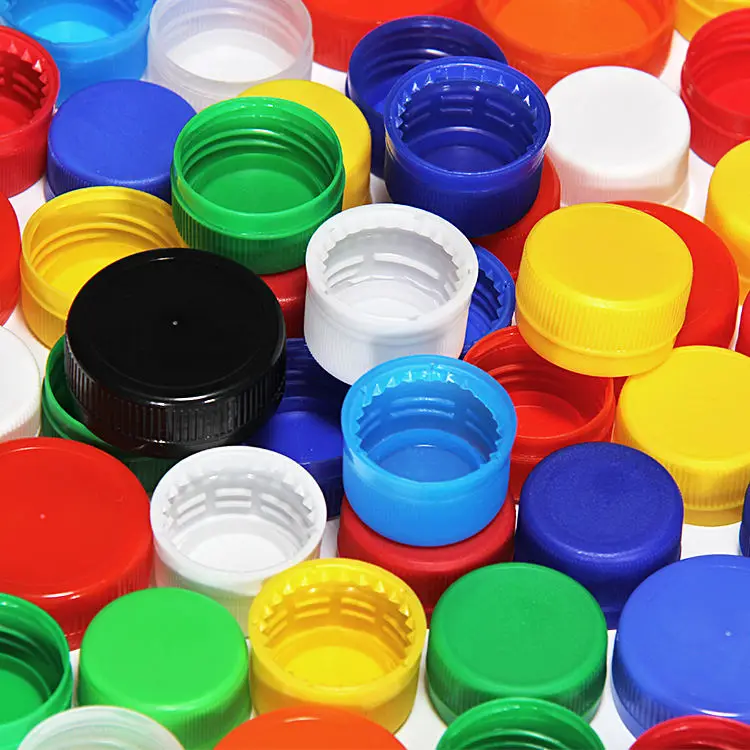
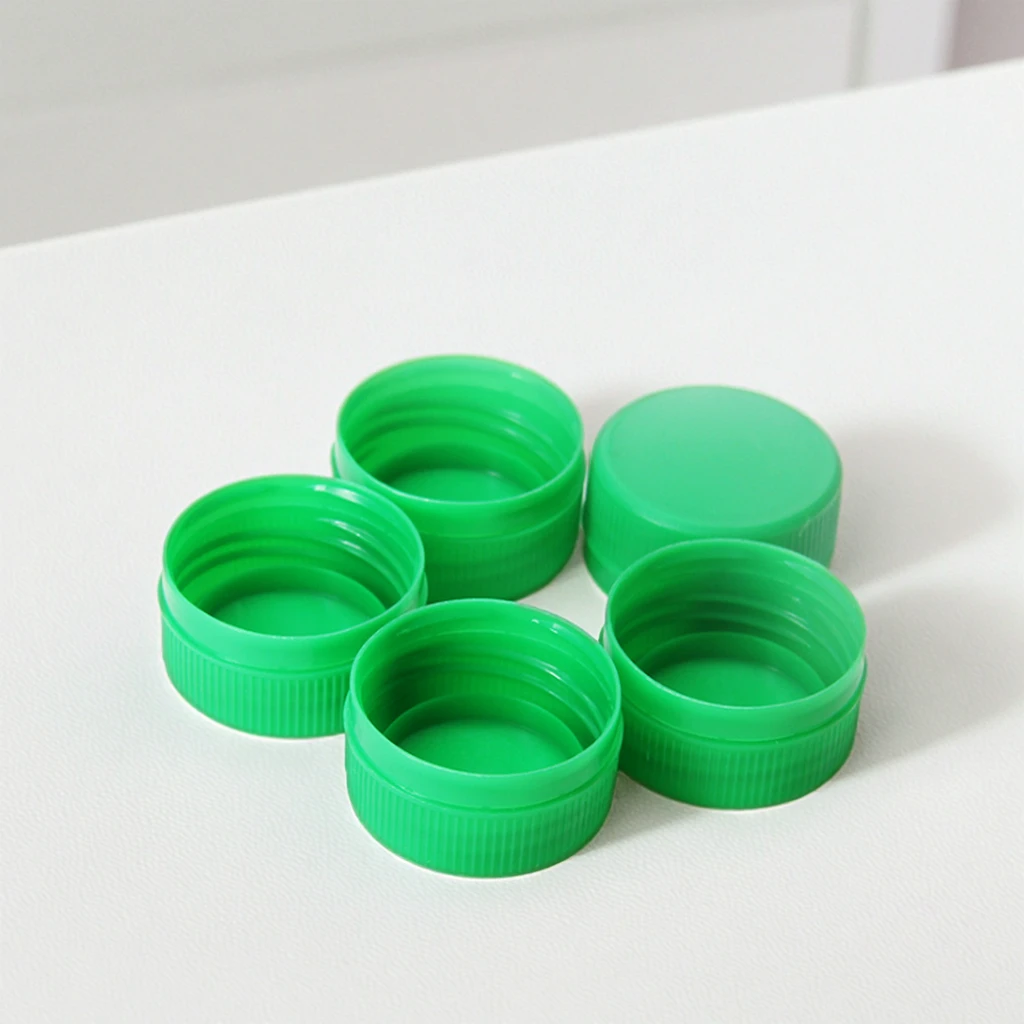
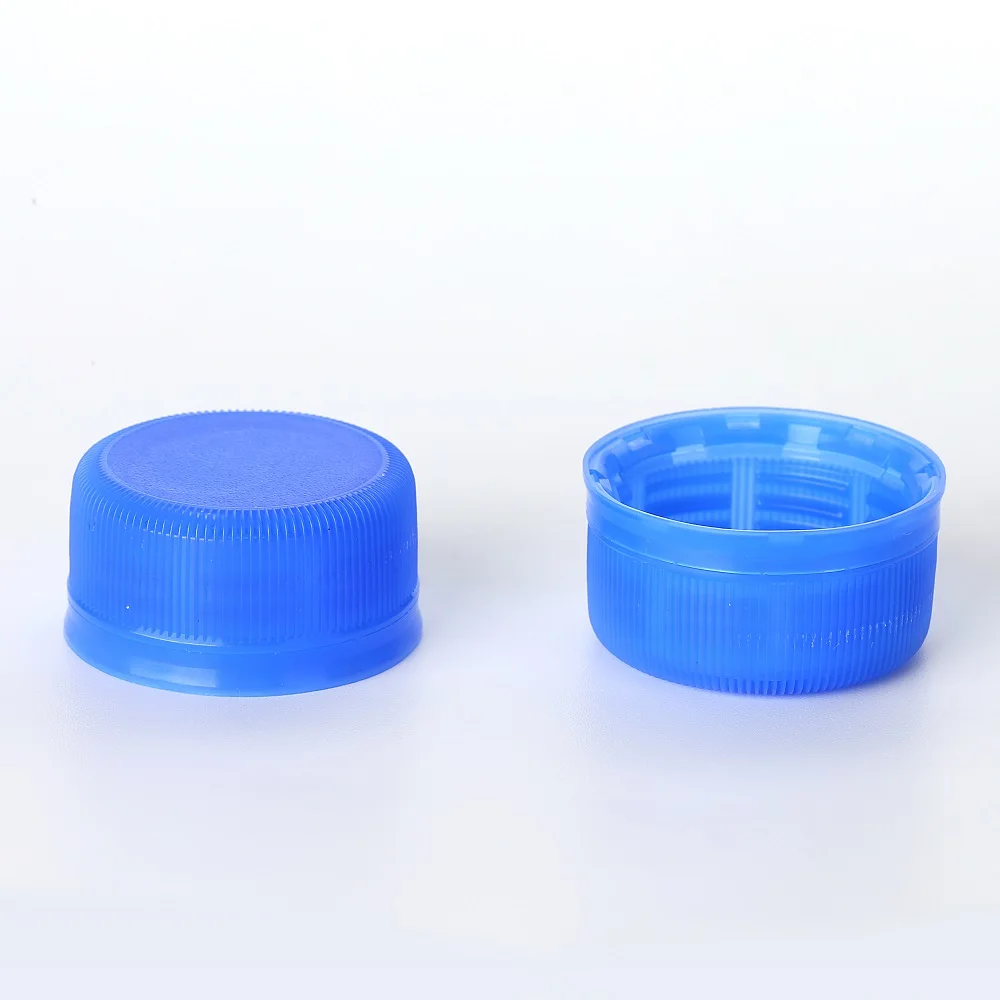
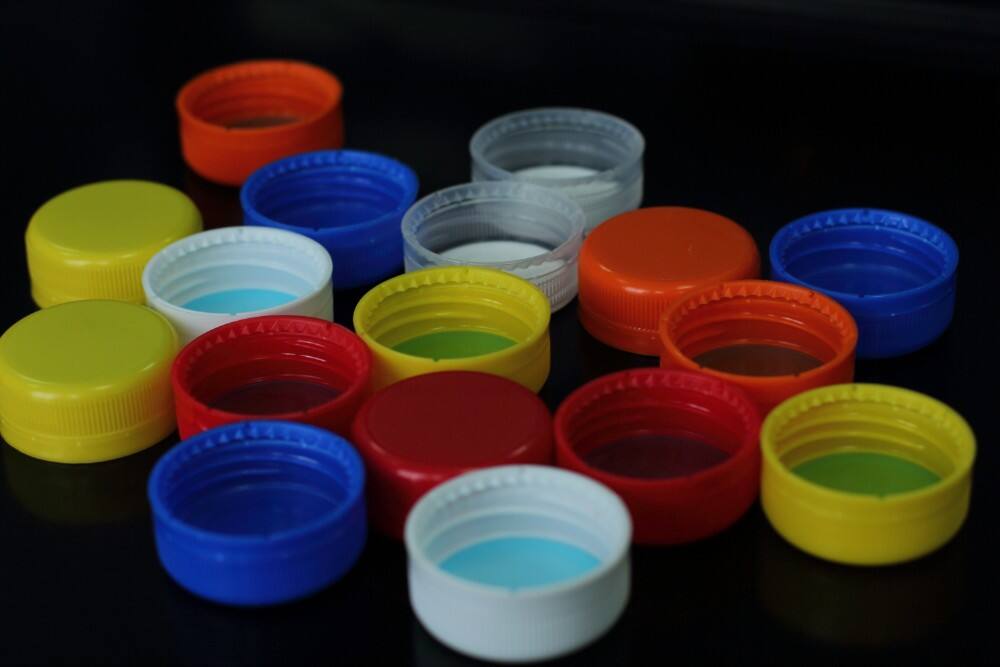
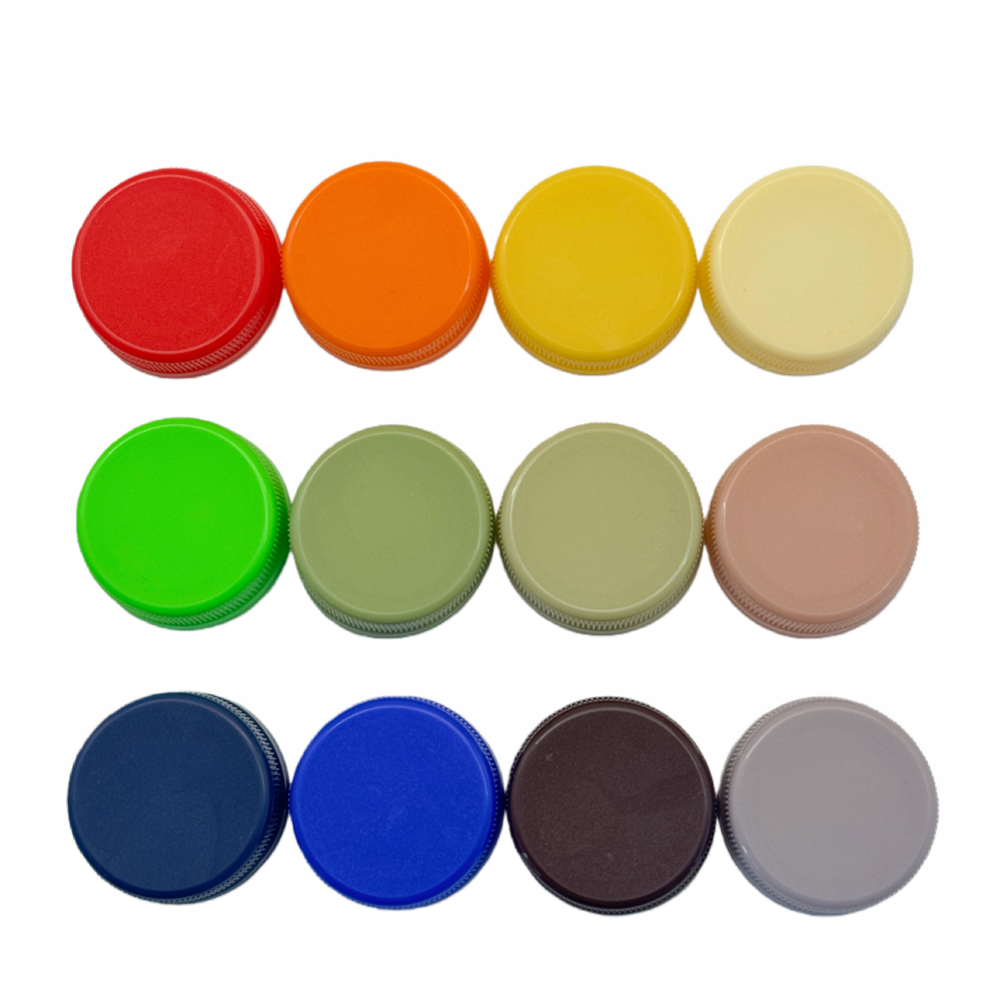
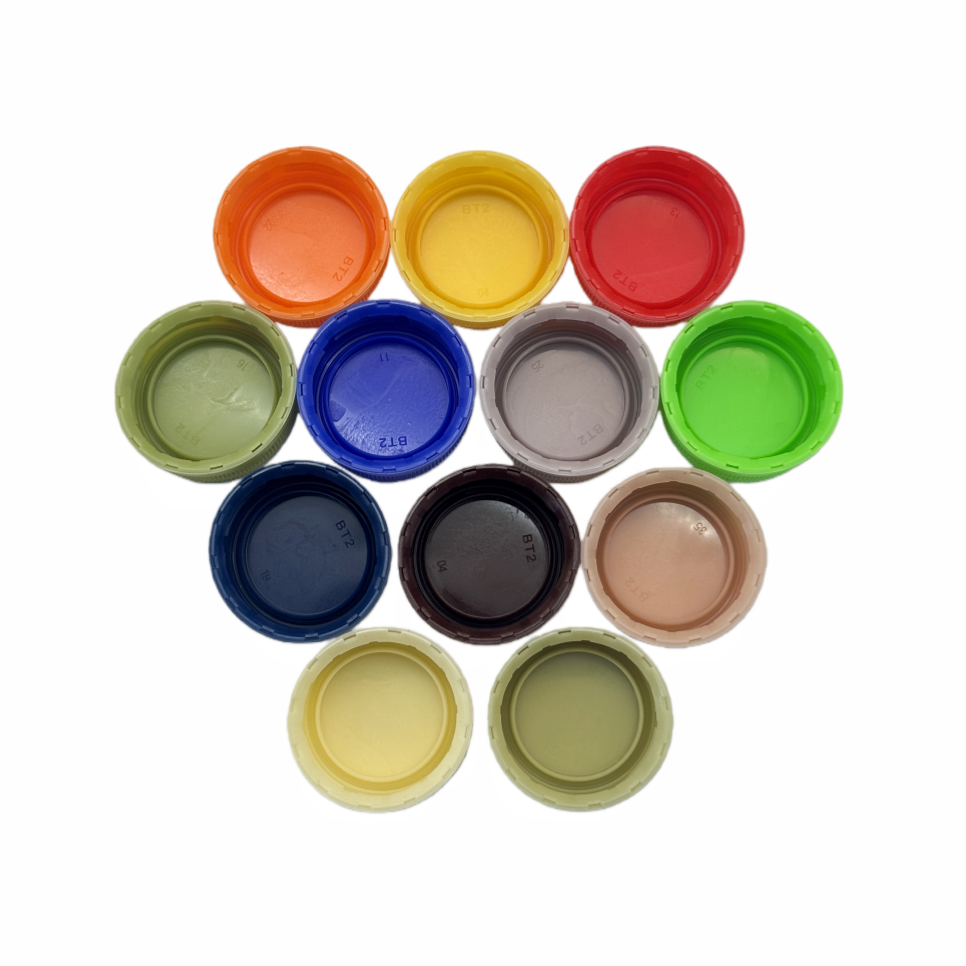
Milk bottle lids represent a crucial component in dairy packaging systems, serving as the primary barrier between fresh milk and external contaminants. These specialized closures are engineered to maintain product integrity while providing convenient access for consumers. Modern milk bottle lids incorporate advanced sealing technologies that prevent spoilage, contamination, and nutrient loss during storage and transportation. The design specifications of these lids accommodate various bottle neck sizes and threading patterns, ensuring compatibility across different packaging formats. Contemporary milk bottle lids feature tamper-evident mechanisms that provide visual confirmation of package integrity, giving consumers confidence in product safety. The materials used in manufacturing these lids undergo rigorous testing to ensure they meet food-grade standards and maintain chemical stability when in contact with dairy products. Advanced polymer compositions resist cracking, warping, and degradation under temperature fluctuations commonly encountered during distribution and storage. The ergonomic design elements of milk bottle lids facilitate easy opening and closing, accommodating users of all ages and physical capabilities. Threading mechanisms are precision-engineered to create secure closures while allowing smooth rotation during opening procedures. Color-coding systems integrated into milk bottle lids help differentiate between various milk types, fat contents, and expiration dates, streamlining inventory management for retailers and selection processes for consumers. The manufacturing process involves injection molding techniques that ensure dimensional consistency and structural integrity across large production runs. Quality control measures include leak testing, torque specifications, and compatibility assessments to guarantee optimal performance throughout the product lifecycle. Environmental considerations drive the development of recyclable and biodegradable milk bottle lids, supporting sustainability initiatives within the dairy industry while maintaining functional excellence.

New Product Releases

Milk bottle lids deliver exceptional freshness preservation through their innovative sealing mechanisms that create airtight barriers against oxygen exposure, moisture intrusion, and bacterial contamination. This superior protection extends shelf life significantly, reducing food waste and maximizing value for consumers who can enjoy fresh-tasting milk for longer periods. The convenience factor of modern milk bottle lids cannot be overstated, as their user-friendly design enables effortless opening and closing operations without requiring additional tools or excessive force. This accessibility benefits elderly consumers, individuals with arthritis, and children who may struggle with traditional closure systems. The tamper-evident features built into these lids provide immediate visual confirmation of package integrity, allowing consumers to identify potentially compromised products before purchase or consumption. This safety enhancement builds trust between brands and customers while protecting against liability issues related to contaminated products. Economic benefits emerge from the durability and reliability of quality milk bottle lids, which reduce product losses due to leakage, spillage, or premature spoilage during transportation and storage phases. Retailers appreciate the stackability and space efficiency that properly designed lids enable, maximizing warehouse utilization and reducing handling costs. The precision engineering of milk bottle lids ensures consistent performance across temperature variations, maintaining seal integrity whether products are stored in refrigerated environments or exposed to ambient temperatures during brief periods. Manufacturing efficiency improvements result from standardized threading specifications that allow automated bottling equipment to operate at optimal speeds while maintaining quality standards. The lightweight construction of modern milk bottle lids contributes to reduced shipping costs and lower carbon footprints during distribution, supporting both economic and environmental objectives. Brand differentiation opportunities arise from customizable lid designs that incorporate unique colors, textures, or promotional messaging, helping dairy companies establish distinctive market presence. The compatibility of these lids with various bottle materials including glass, plastic, and composite containers provides flexibility for packaging strategies while maintaining consistent sealing performance. Consumer satisfaction increases substantially when milk bottle lids perform reliably over multiple use cycles, enabling portion control and extended storage without quality degradation.

Latest News

The Cost-Benefit Analysis of Adding a Bottle Handle to Large Jugs

10

Apr

The Cost-Benefit Analysis of Adding a Bottle Handle to Large Jugs

Manufacturing companies considering packaging improvements for large volume containers often face decisions that significantly impact both production costs and consumer satisfaction. Adding a bottle handle to large jugs represents one such decision t...
View More
How to Reduce Leaks with Precision-Engineered Water Caps

28

May

How to Reduce Leaks with Precision-Engineered Water Caps

Leak prevention in liquid packaging represents one of the most critical challenges facing manufacturers across industries, from beverage production to pharmaceutical applications. The strategic implementation of precision-engineered water cap solutio...
View More
The Best Juice Cap Options for Hot-Fill and Cold-Fill Processes

14

May

The Best Juice Cap Options for Hot-Fill and Cold-Fill Processes

Selecting the right juice cap for your beverage production line is a critical decision that directly impacts product safety, shelf life, and consumer satisfaction. Modern juice manufacturing relies on two primary filling methods—hot-fill and cold-fil...
View More
Innovative Juice Cap Features to Prevent Oxidation in Beverages

23

Apr

Innovative Juice Cap Features to Prevent Oxidation in Beverages

Beverage oxidation represents one of the most significant challenges facing juice manufacturers today, directly impacting flavor retention, nutritional value, and overall product quality. When oxygen comes into contact with juice, it triggers enzymat...
View More

Get a Free Quote

Our representative will contact you soon.
Email
Phone/Whatsapp
Company Name/Name
Message
0/1000

milk bottle lids

Advanced Sealing Technology for Maximum Freshness Protection

Advanced Sealing Technology for Maximum Freshness Protection

The sophisticated sealing technology integrated into modern milk bottle lids represents a breakthrough in dairy preservation, utilizing multi-layer barrier systems that effectively combat the primary causes of milk spoilage and quality degradation. These innovative milk bottle lids incorporate precision-engineered gasket materials that conform perfectly to bottle neck surfaces, creating hermetic seals that prevent oxygen infiltration and moisture exchange. The advanced polymer compositions used in these sealing elements maintain flexibility across wide temperature ranges while resisting chemical degradation from dairy acids and proteins. This technological advancement ensures that milk retains its nutritional value, taste profile, and microbiological safety throughout extended storage periods. The sealing mechanism operates through a combination of mechanical compression and material memory properties, where specialized elastomeric components create consistent pressure distribution around the entire circumference of the bottle opening. This uniform sealing action eliminates weak points that could compromise product integrity, providing consumers with reliable freshness protection that extends well beyond traditional closure systems. Temperature cycling tests demonstrate that these milk bottle lids maintain their sealing effectiveness even when subjected to repeated refrigeration and warming cycles, which commonly occur during transportation and retail display. The barrier properties of these advanced lids also prevent flavor absorption from external sources and volatile compound loss that could diminish the characteristic taste of fresh milk. Manufacturing quality controls ensure that each lid meets stringent specifications for compression force, material density, and dimensional accuracy, guaranteeing consistent performance across large production volumes. The durability of these sealing systems enables multiple opening and closing cycles without performance degradation, supporting consumer preferences for portion control and extended storage convenience. Independent laboratory testing confirms that milk stored with these advanced lids maintains superior quality metrics compared to conventional closures, including reduced bacterial counts, preserved vitamin content, and enhanced sensory characteristics that consumers value most.
User-Friendly Design with Enhanced Safety Features

User-Friendly Design with Enhanced Safety Features

The ergonomic excellence of contemporary milk bottle lids reflects comprehensive design research focused on creating intuitive, accessible closures that accommodate diverse user needs while incorporating robust safety mechanisms. These thoughtfully engineered milk bottle lids feature textured grip surfaces that provide secure handling even when hands are wet or when users have limited dexterity, ensuring reliable operation across all demographic groups. The threading system utilizes optimized pitch angles and lead-in chamfers that guide proper alignment during closure application, reducing the risk of cross-threading while enabling smooth, effortless rotation during opening procedures. Visual and tactile indicators integrated into the lid design provide clear feedback regarding proper closure engagement, helping users achieve optimal sealing without over-tightening that could damage the container or make subsequent opening difficult. The tamper-evident features incorporated into these milk bottle lids utilize breakaway bands, tear strips, or deformation indicators that provide unmistakable evidence of unauthorized access, protecting consumers from contaminated products while supporting brand integrity initiatives. Safety considerations extend to material selection, where food-grade polymers undergo extensive testing to ensure they remain chemically inert when in contact with dairy products, preventing migration of harmful compounds while maintaining structural integrity under normal use conditions. The low-torque opening characteristics of these lids accommodate users with arthritis, carpal tunnel syndrome, or other conditions that limit grip strength, promoting inclusivity in product access while maintaining security during storage and transportation. Color-contrast elements and size variations help visually impaired consumers identify different milk types and facilitate proper handling procedures. Child-resistant features can be incorporated when required, utilizing specialized mechanisms that challenge young children while remaining accessible to adults, supporting household safety initiatives. The balanced weight distribution and compact profile of these milk bottle lids prevent top-heavy instability when containers are opened, reducing spillage risks and supporting clean, controlled pouring operations. Edge treatments eliminate sharp corners or rough surfaces that could cause injury during normal handling, while maintaining the structural strength necessary for reliable performance throughout the product lifecycle.
Sustainable Materials and Environmental Responsibility

Sustainable Materials and Environmental Responsibility

Environmental stewardship drives the development of eco-conscious milk bottle lids that balance performance excellence with sustainability objectives, incorporating recycled content, biodegradable materials, and design features that support circular economy principles. These innovative milk bottle lids utilize advanced polymer formulations that include significant percentages of post-consumer recycled content without compromising structural integrity, sealing effectiveness, or safety standards required for food contact applications. The material selection process prioritizes renewable feedstocks and bio-based polymers that reduce dependence on fossil fuel resources while maintaining the performance characteristics that consumers expect from premium dairy packaging. Life cycle assessments demonstrate that these sustainable lids generate substantially lower carbon footprints compared to traditional alternatives, supporting corporate sustainability goals and consumer preferences for environmentally responsible products. The manufacturing processes employed for these eco-friendly milk bottle lids incorporate energy-efficient production methods, waste minimization strategies, and closed-loop recycling systems that capture and reprocess manufacturing scraps into new products. Packaging optimization reduces material usage through intelligent design features that maintain strength and functionality while eliminating unnecessary bulk, contributing to reduced transportation emissions and storage requirements throughout the supply chain. End-of-life considerations integrate seamlessly into the design philosophy, ensuring that these lids can be efficiently processed through existing recycling infrastructure or composted in industrial facilities where appropriate materials are utilized. The compatibility of sustainable milk bottle lids with various bottle materials supports comprehensive packaging sustainability strategies that consider the entire container system rather than individual components in isolation. Consumer education initiatives accompanying these environmentally responsible products help users understand proper disposal procedures and recycling opportunities, maximizing the environmental benefits while building brand loyalty among environmentally conscious demographics. Innovation partnerships with waste management companies and recycling facilities ensure that the infrastructure exists to support the complete lifecycle of these sustainable products. The durability characteristics of these eco-friendly materials often exceed those of conventional alternatives, providing extended service life that further enhances their environmental value proposition. Testing protocols verify that recycled and bio-based materials maintain food safety standards equivalent to virgin polymers, ensuring that environmental responsibility does not compromise product quality or consumer safety.

Get a Free Quote

Our representative will contact you soon.
Email
Phone/Whatsapp
Company Name/Name
Message
0/1000