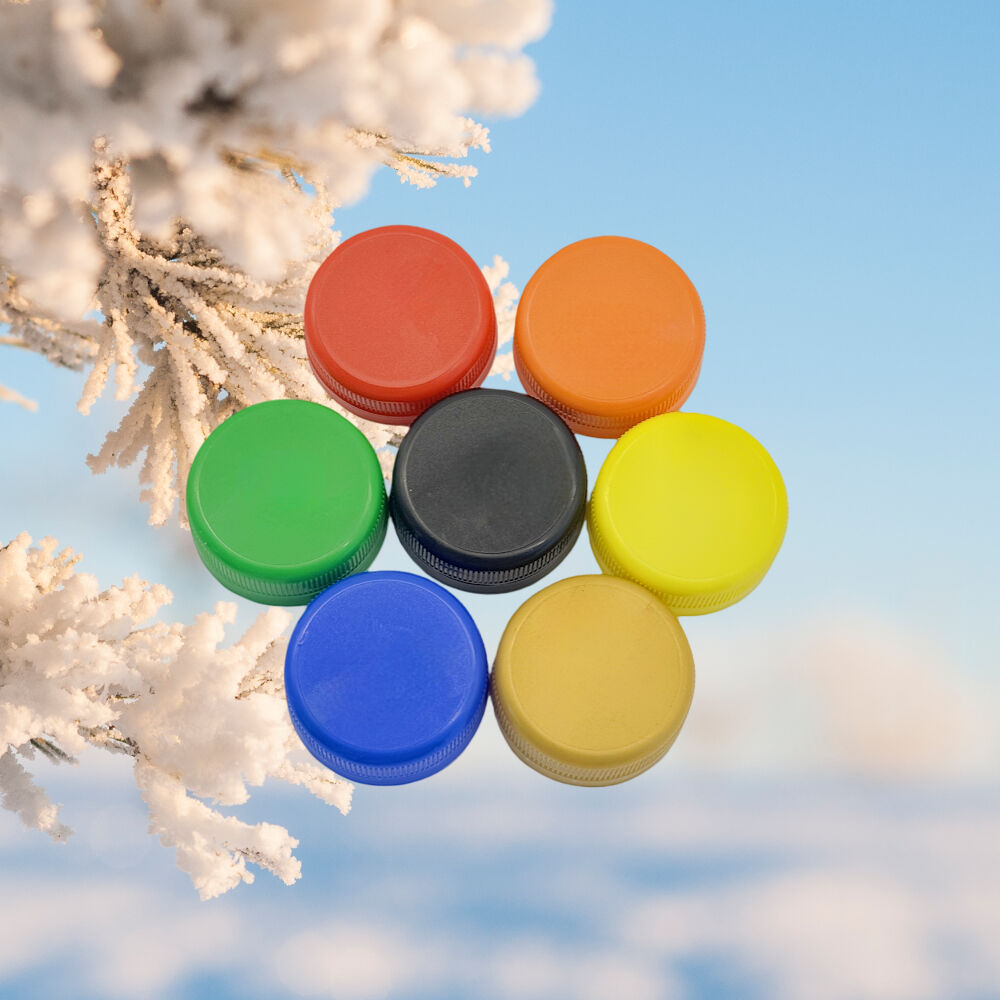
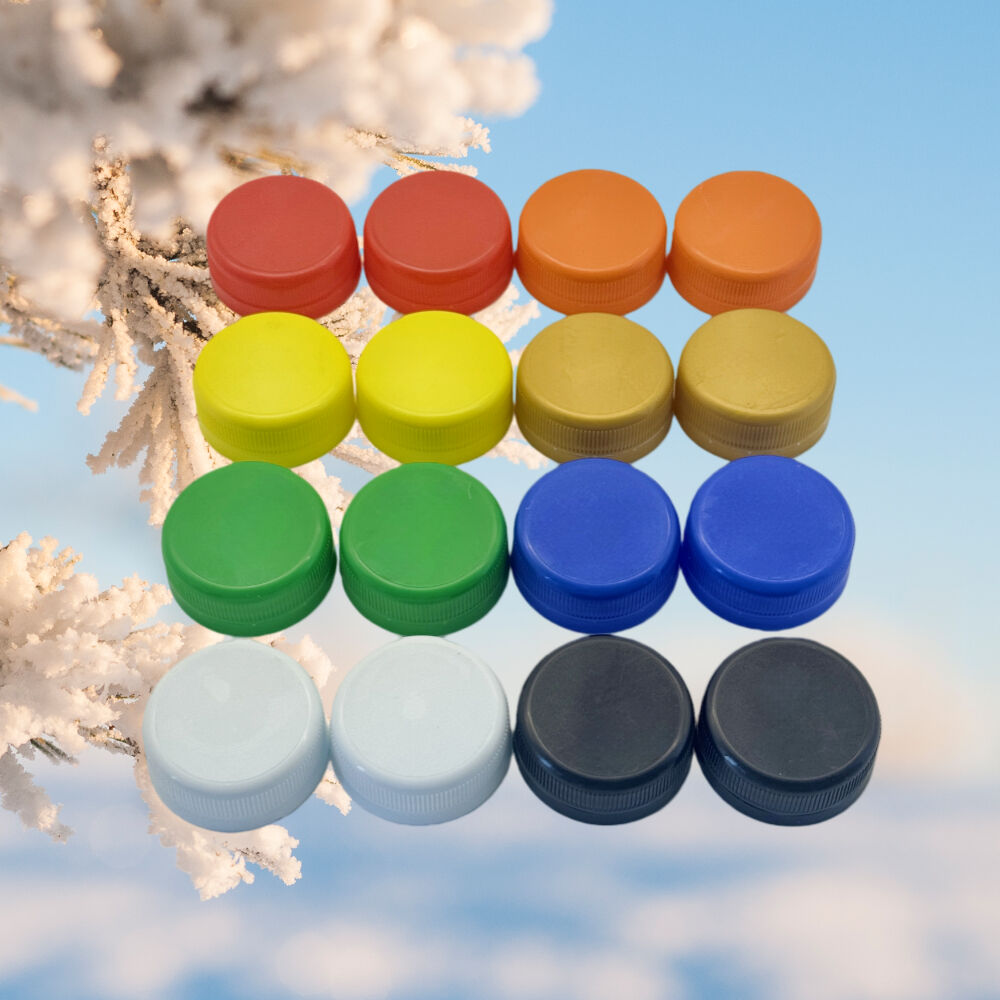
kumpanya ng paggawa ng takip ng carbonated beverage
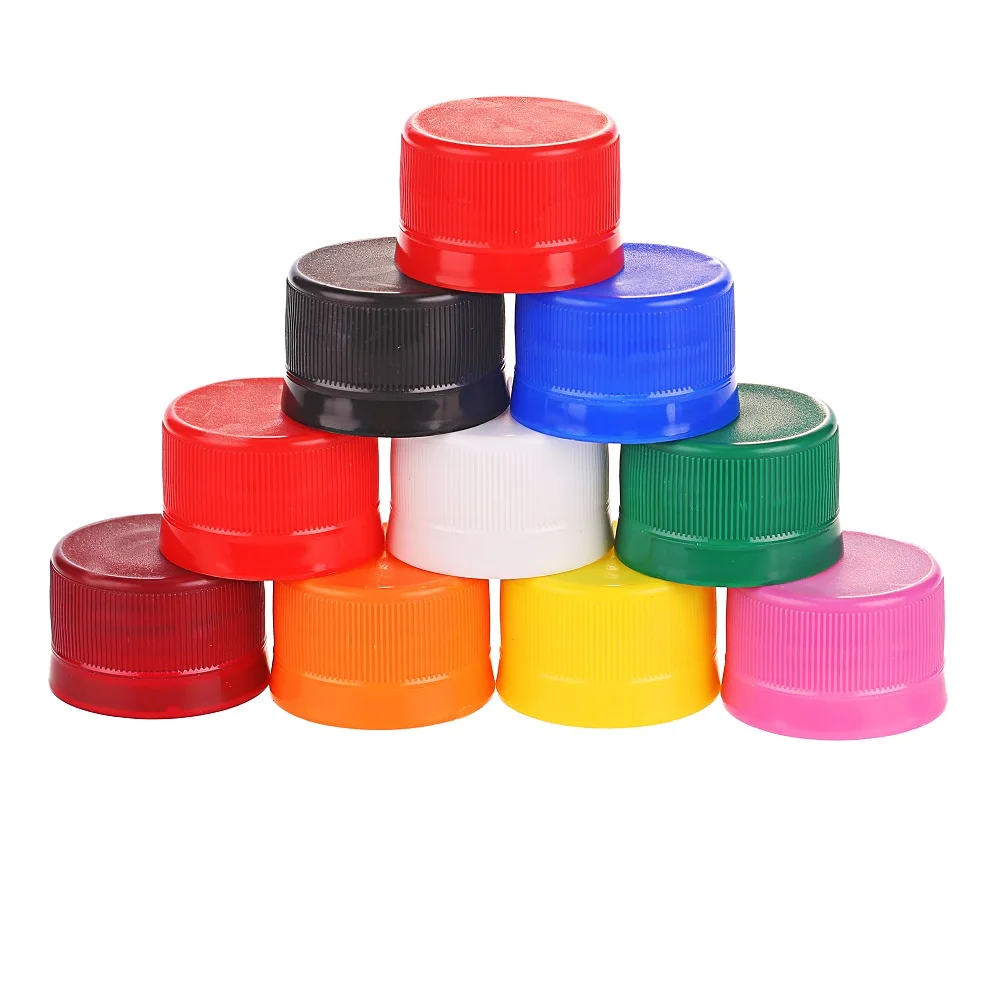
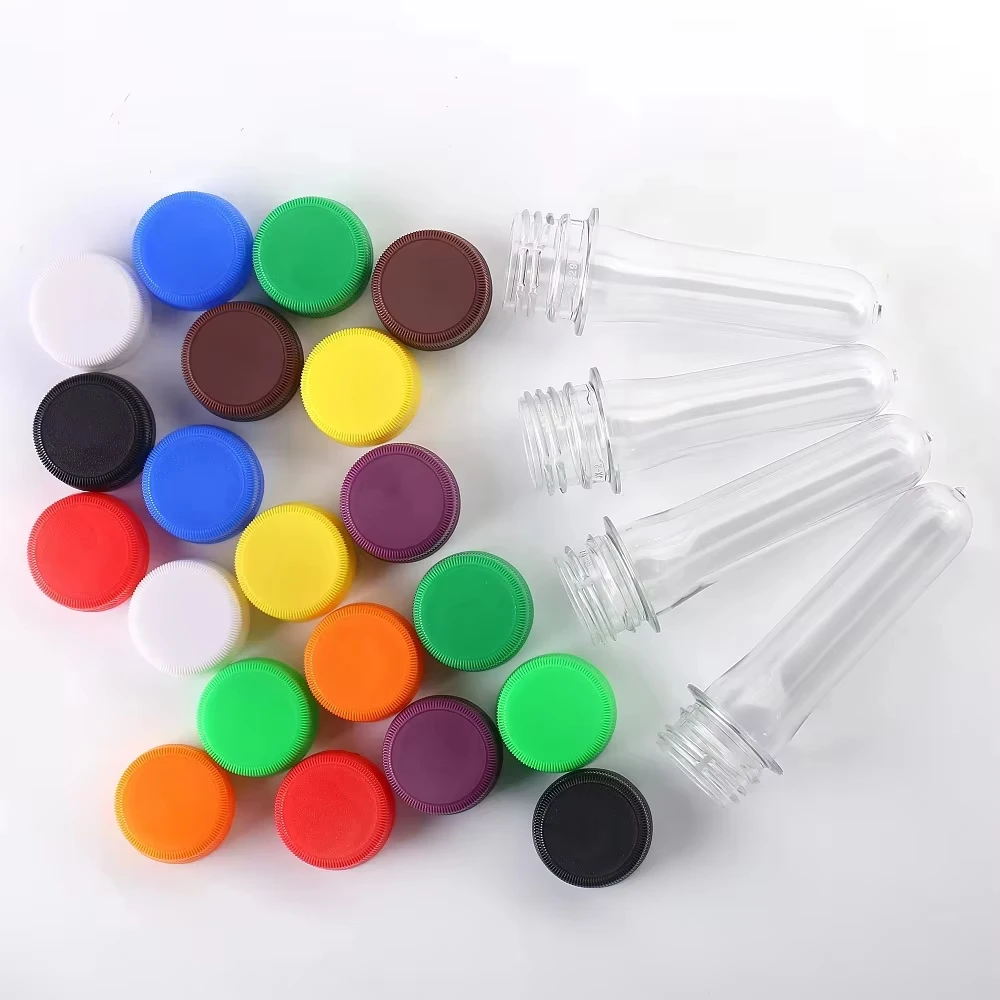
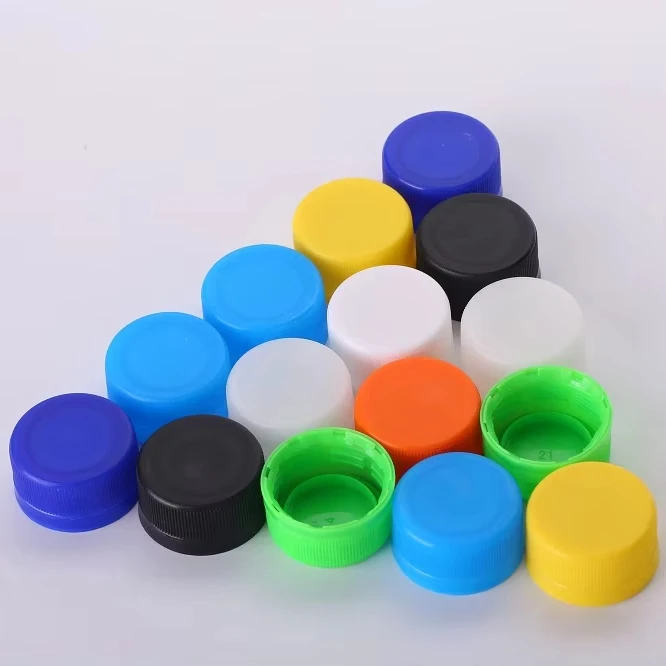
Ang isang kumpanya na gumagawa ng takip para sa mga inumin na may gas ay nagsisilbing pundasyon ng industriya ng inumin sa pamamagitan ng paggawa ng mahahalagang bahagi para sa pagse-seal na nagpapanatili ng kalidad ng produkto at kaligtasan ng mga konsyumer. Ang mga espesyalisadong kumpanyang ito ay nakatuon sa paglikha ng mga takip na panatilihin ang antas ng carbonation, pigilan ang kontaminasyon, at tiyakin ang kakahibuan ng produkto sa buong supply chain. Ang pangunahing tungkulin ng isang kumpanya na gumagawa ng takip para sa mga inumin na may gas ay ang disenyo at produksyon ng iba't ibang uri ng takip para sa bote, kabilang ang crown caps, screw caps, at mga espesyal na takip para sa iba't ibang format ng lalagyan. Ginagamit ng mga kumpanyang ito ang advanced na injection molding technology, precision engineering, at mga sistema ng quality control upang makalikha ng mga takip na sumusunod sa mahigpit na pamantayan ng industriya. Ang proseso ng paggawa ay kasama ang mga state-of-the-art na makina na kakayahang mag-produce ng milyon-milyong takip araw-araw habang pinapanatili ang pare-parehong kalidad at tiyak na sukat. Ang mga modernong kumpanya na gumagawa ng takip para sa mga inumin na may gas ay gumagamit ng sopistikadong material science upang makalikha ng mga takip gamit ang mga polymer na may pahintulot para sa pagkain, metal, at composite materials na tumutol sa corrosion at nananatiling matibay sa ilalim ng presyon. Kasama sa mga katangian ng teknolohiya ang awtomatikong linya ng produksyon na may real-time monitoring systems na sinusubaybayan ang temperatura, presyon, at daloy ng materyales upang tiyakin ang optimal na pagganap ng takip. Ang mga protokol sa quality assurance ay kasama ang mahigpit na pagsusuri sa seal integrity, torque resistance, at compatibility sa iba't ibang disenyo ng bote neck. Ang mga aplikasyon nito ay sakop ang maraming sektor, kabilang ang mga tagagawa ng soft drink, mga prodyuser ng beer, mga kumpanya ng energy drink, at mga brand ng sparkling water. Ang kumpanya na gumagawa ng takip para sa mga inumin na may gas ay nagbibigay din ng custom na solusyon para sa natatanging mga kinakailangan sa packaging, na nagsasama-sama nang malapit sa mga prodyuser ng inumin upang makalikha ng mga takip na nagpapalakas ng identidad ng brand habang pinapanatili ang kahusayan sa pagganap. Ang mga kumpanyang ito ay nag-i-inbest ng malaki sa research at development upang makaimbento ng bagong teknolohiya sa mga takip na nagpapabuti sa karanasan ng gumagamit, nababawasan ang epekto sa kapaligiran, at ino-optimize ang kahusayan sa produksyon. Ang integrasyon ng mga sustainable na gawain ay naging lalong mahalaga, kung saan ang maraming kumpanya ay gumagawa ng mga recyclable na materyales para sa takip at ipinatutupad ang mga eco-friendly na proseso sa paggawa na nababawasan ang basura at konsumo ng enerhiya habang pinapanatili ang mga pamantayan sa kalidad ng produkto.

 EN
EN