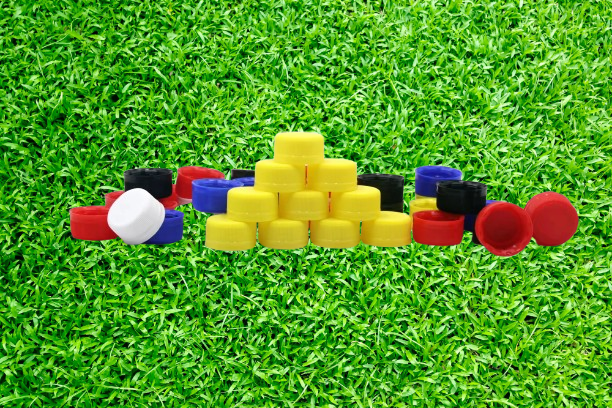
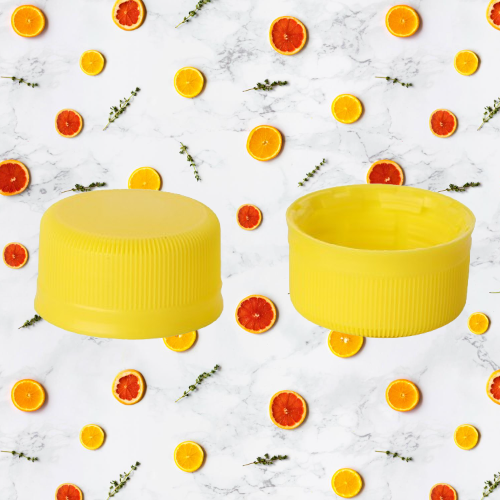
takip ng bote ng carbonated na inumin
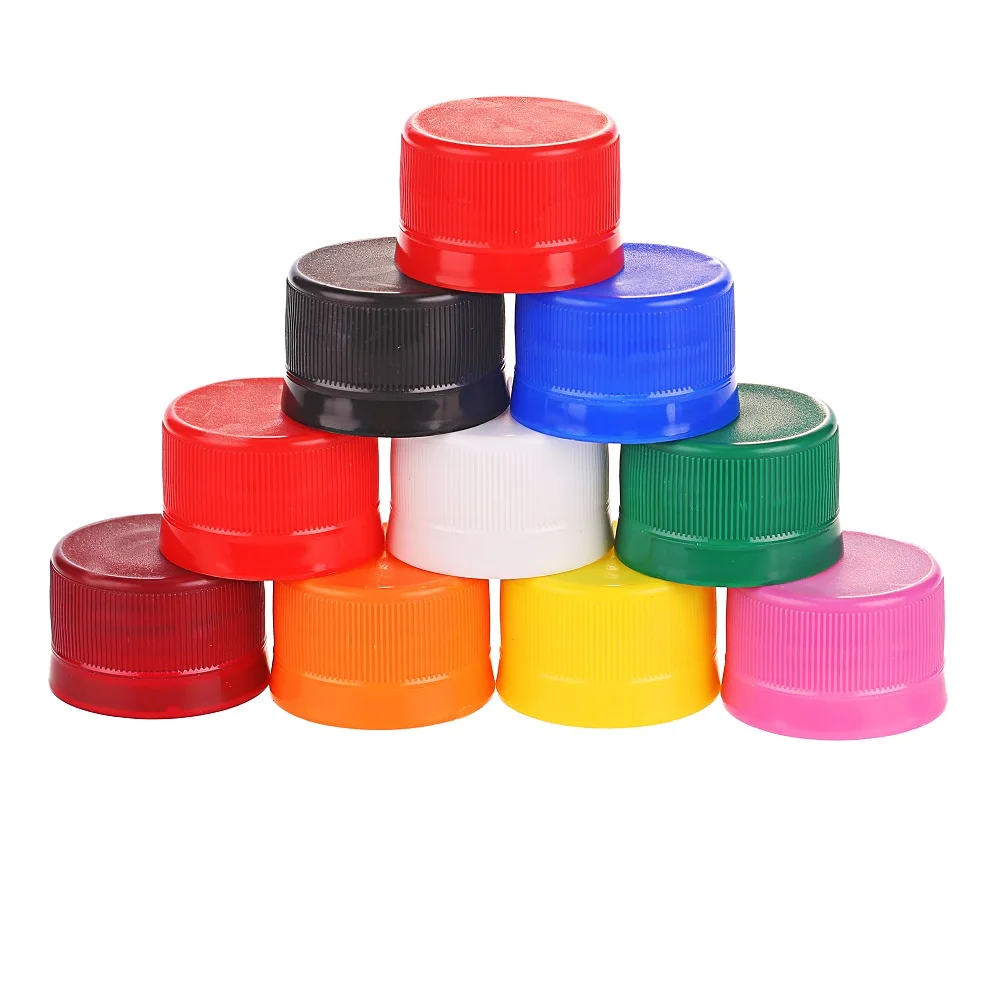
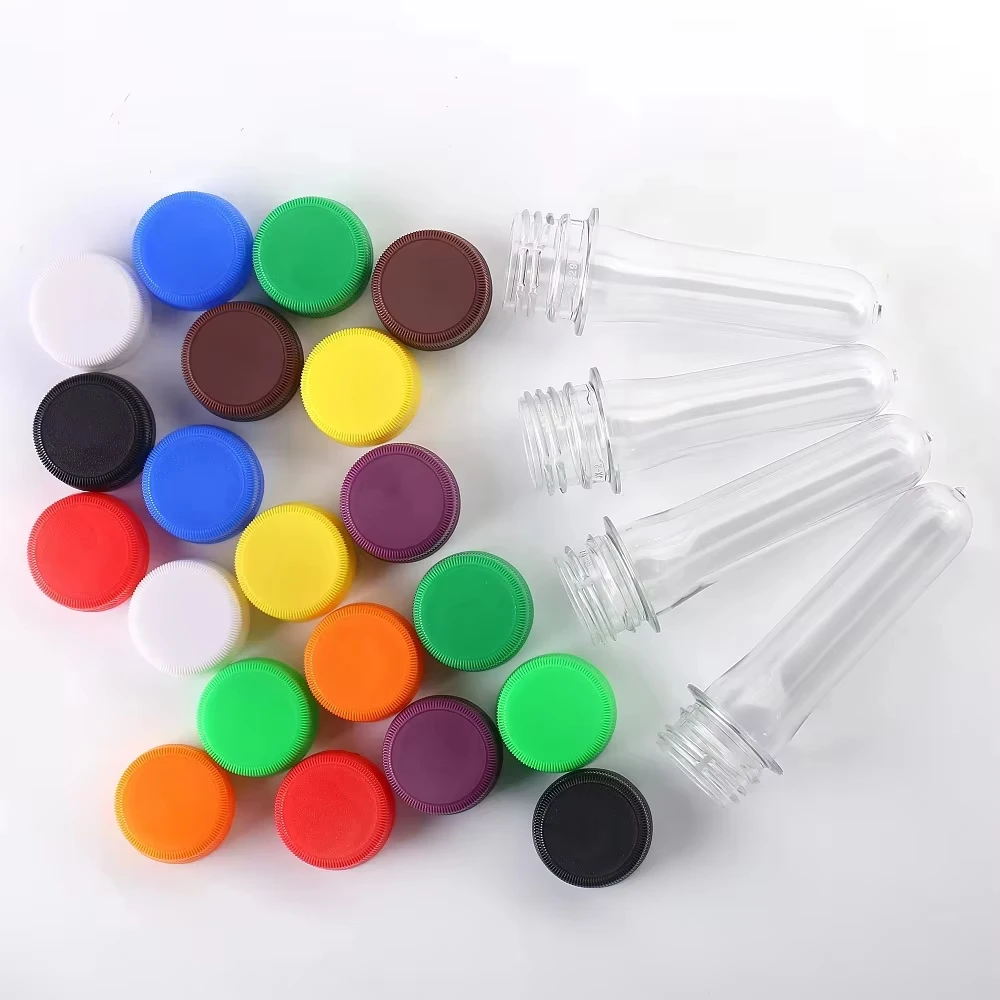
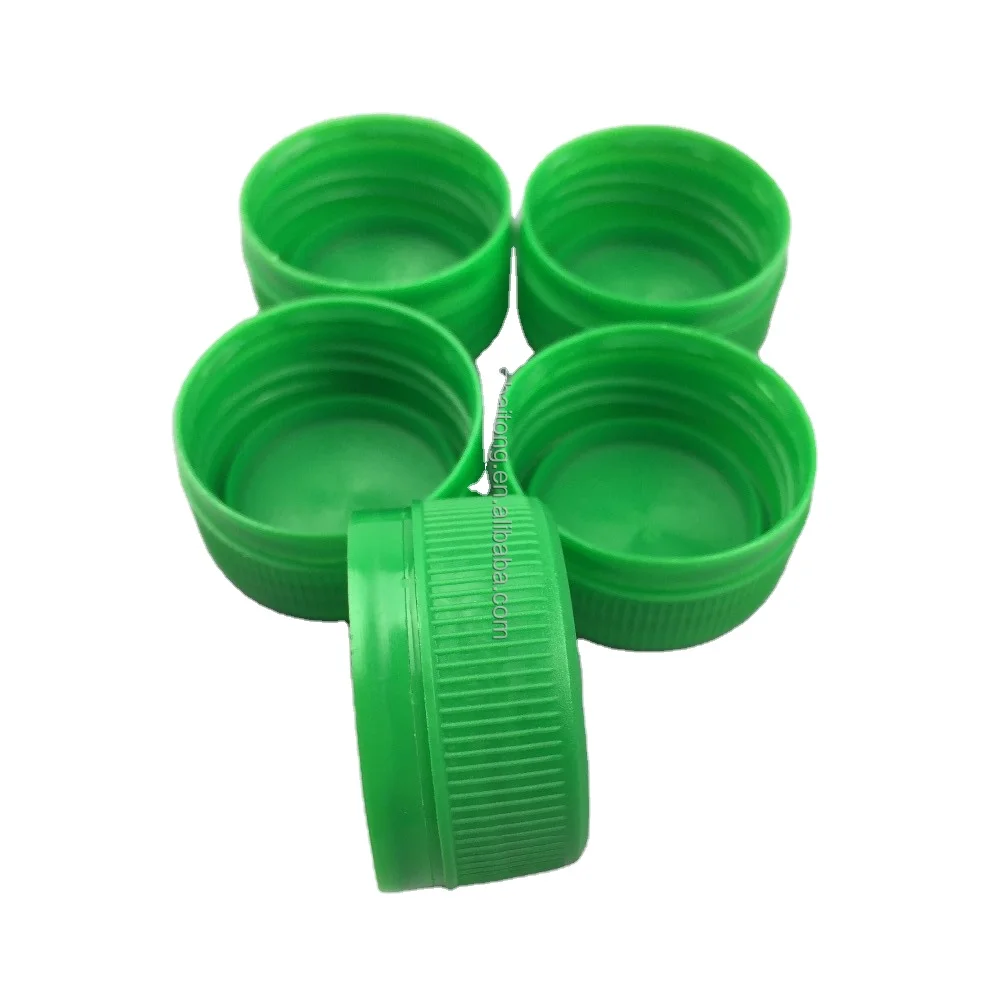
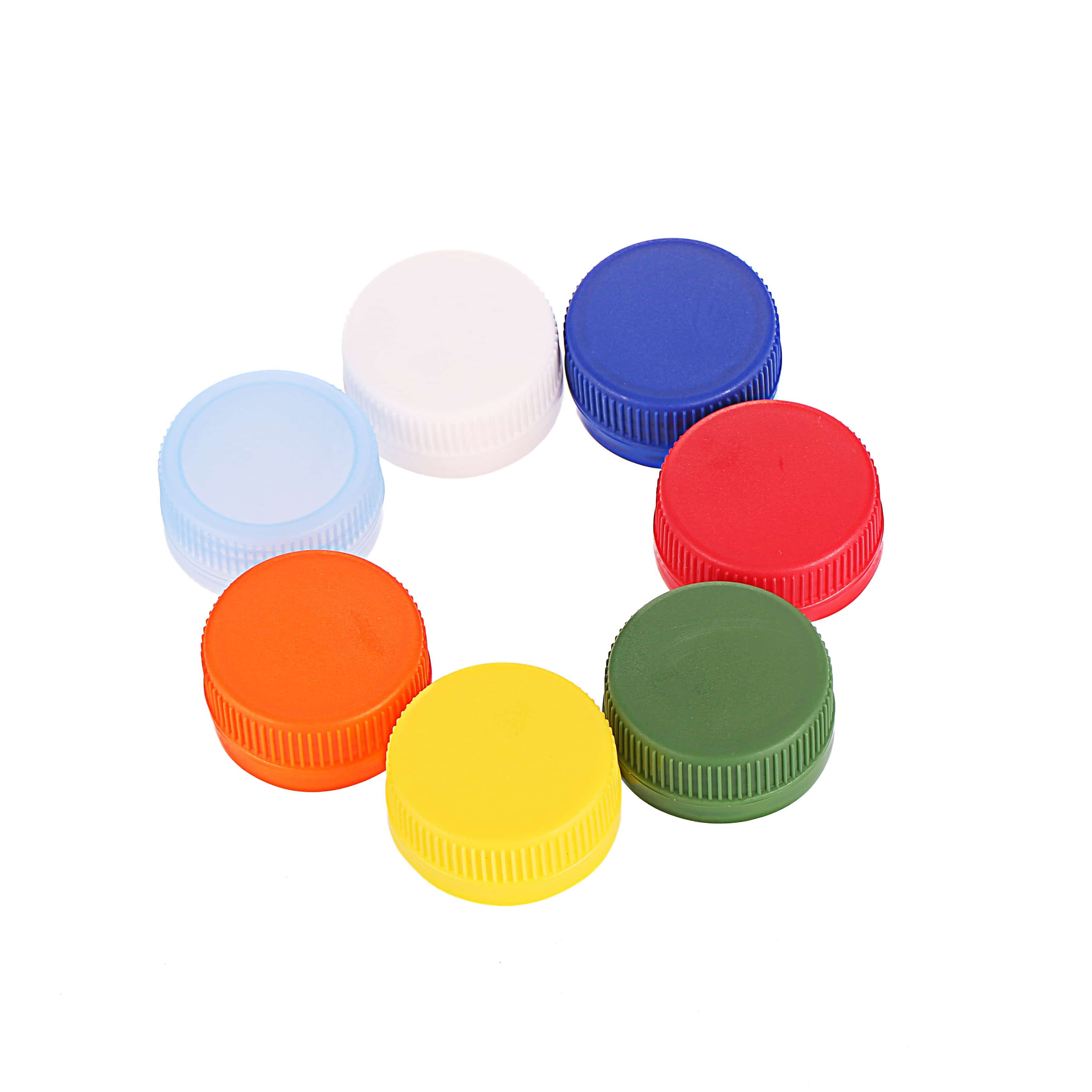
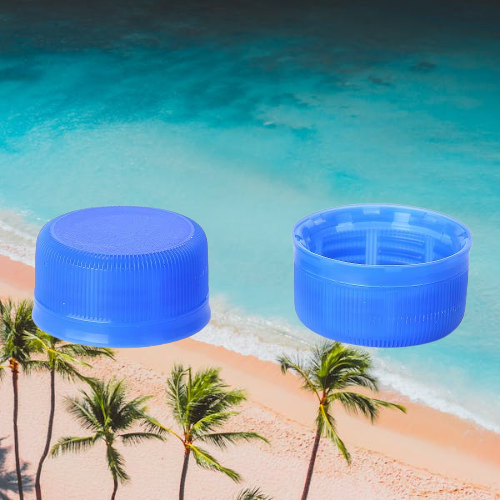
Ang takip ng bote ng carbonated beverage ay kumakatawan sa isang mahalagang bahagi ng modernong teknolohiya sa pagpapakete, na idinisenyo nang partikular upang panatilihin ang integridad at kalidad ng mga carbonated na inumin sa buong kanilang shelf life. Ang sistemang pagsasara na ito ay gumaganap ng maraming mahahalagang tungkulin upang matiyak ang kasiyahan ng mga konsyumer at kaligtasan ng produkto. Ang pangunahing layunin ng takip ng bote ng carbonated beverage ay lumikha ng isang airtight na seal na nagpipigil sa carbon dioxide na umalis, kaya naman pinapanatili ang katangi-tanging fizz at lasa na inaasahan ng mga konsyumer. Ang disenyo ng mga takip na ito ay sumusunod sa mga advanced na prinsipyo ng inhinyeriya, na kumukuha ng espesyalisadong mga materyales at pamamaraan ng konstruksyon na kayang tumagal sa loob na presyon habang nagbibigay din ng madaling mekanismo para buksan ng mga tagagamit. Kasama sa mga teknolohikal na katangian ng takip ng bote ng carbonated beverage ang mga materyales na may kakayahang tumagal sa presyon, na karaniwang gawa sa high-density polyethylene o polypropylene, na nag-aalok ng mahusay na resistance sa kemikal at tibay. Ang mga materyales na ito ay dumaan sa mahigpit na pagsusuri upang matiyak na kayang harapin ang presyon na nasa pagitan ng 3 hanggang 6 atmospheres nang hindi nawawala ang kanilang structural integrity. Ang disenyo ng thread ay sumusunod sa mga tiyak na espesipikasyon upang makabuo ng optimal na sealing performance, samantalang ang panloob na liner o gasket ay nagbibigay ng karagdagang proteksyon laban sa gas leakage. Ang mga modernong takip ng bote ng carbonated beverage ay kasama rin ang mga tamper-evident na tampok na agad na nagpapakita kung bukas na o nasira ang produkto, na nagpapataas ng tiwala at kaligtasan ng mga konsyumer. Ang mga aplikasyon ng mga espesyalisadong takip na ito ay umaabot sa maraming kategorya ng inumin, kabilang ang soft drinks, sparkling water, energy drinks, at mga alak tulad ng beer at champagne. Ang mga pasilidad sa paggawa sa buong mundo ay umaasa sa awtomatikong capping equipment na partikular na idinisenyo upang ilagay ang mga takip na ito gamit ang tiyak na torque specifications, na nagtitiyak ng pare-parehong sealing performance sa milyon-milyong bote araw-araw. Patuloy na umuunlad ang industriya ng takip ng bote ng carbonated beverage kasama ang mga inobasyon sa larangan ng materials science, environmental sustainability, at user convenience, kaya naman ang mga tila simpleng komponenteng ito ay naging lalong sopistikado at mahalaga para sa pag-iingat ng mga inumin at kasiyahan ng mga konsyumer.

 EN
EN