
 EN
EN



In the logistics and transportation industry, every component of a product packaging system plays a vital role in ensuring goods reach their destination safely and intact. The Bottle Handle is one of these critical components that often goes unnoticed until something fails. When a Bottle Handle breaks during transit, the consequences can be severe: damaged products, lost shipments, increased costs, and damaged customer relationships. Understanding why Bottle Handle quality matters is essential for any business involved in beverage distribution, water delivery, or similar logistics operations.
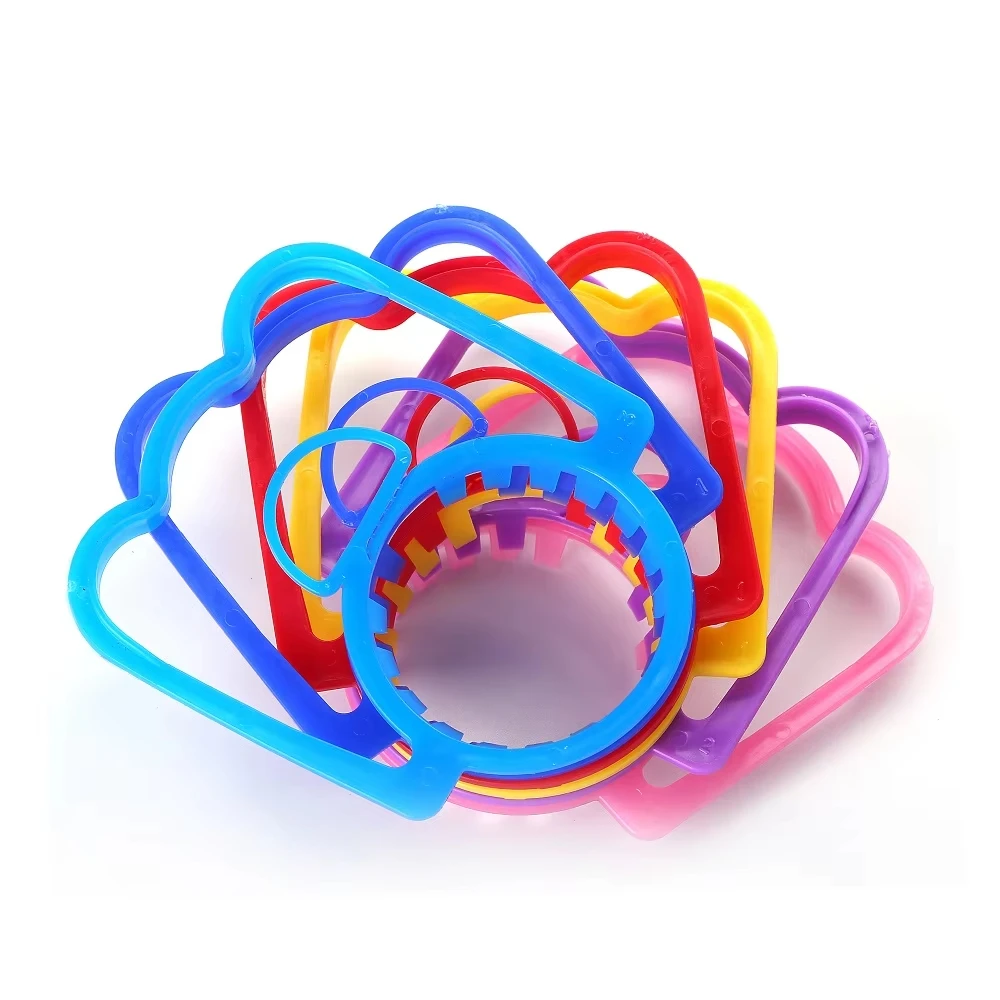
A high-quality Bottle Handle is not just a convenience feature for end users; it is a structural necessity that directly impacts the entire supply chain. From warehouse handling to final mile delivery, the Bottle Handle must withstand repeated stress, variable temperatures, moisture, and mechanical impact. Poor Bottle Handle quality creates cascading problems throughout logistics networks, leading to broken shipments, worker injuries, and increased operational expenses. This comprehensive guide explores why Bottle Handle quality is fundamental to logistic safety and transport reliability.
The Critical Role of Bottle Handle in Warehouse Operations
Structural Integrity During Material Handling
Warehouse operations depend on rapid, efficient movement of palletized goods. Workers regularly grip cases and multi-packs of bottles by the Bottle Handle, often in high-volume environments where speed is essential. A weak or poorly designed Bottle Handle fails under this repetitive mechanical stress, causing bottles to slip, drop, or break mid-transport. When a Bottle Handle cannot withstand the cumulative force of thousands of daily handling cycles, it compromises the entire shipment and creates safety hazards for warehouse staff.
The material composition and manufacturing precision of a Bottle Handle directly determine how long it will remain functional under these conditions. Premium-grade polymers, reinforced construction, and proper stress distribution prevent premature failure. Warehouses with high-quality Bottle Handle inventory experience fewer damaged goods, reduced labor costs associated with cleanup and restocking, and improved employee safety records. The investment in superior Bottle Handle quality translates directly into operational efficiency and risk mitigation.
Load Distribution and Weight Capacity
Each Bottle Handle must support not just the weight of a single bottle but the cumulative load of entire cases or multi-packs. In logistics environments, bottles are stacked, nested, and compressed during transport. An inferior Bottle Handle design or material cannot distribute this load evenly, creating stress concentration points that lead to sudden failure. Quality Bottle Handle engineering includes proper geometry, thickness calculations, and material selection to ensure reliable load distribution across all handling scenarios.
The physics of weight distribution means that a Bottle Handle failure is rarely a gradual degradation. Instead, it is often a sudden break that can dump an entire case of bottles onto a conveyor belt, a worker's foot, or into a shipping container. This unpredictability makes Bottle Handle quality control a non-negotiable aspect of logistics safety planning.
Impact of Bottle Handle Quality on Transport and Shipping Safety
Performance Under Temperature Fluctuations
During long-distance transport, bottles experience dramatic temperature variations. Refrigerated trucks, ambient storage, outdoor loading docks, and heated warehouses all subject the Bottle Handle to thermal stress. Materials that are not engineered for thermal cycling become brittle in cold conditions or overly flexible in heat, both outcomes compromise structural integrity. A premium-quality Bottle Handle maintains consistent performance across the full temperature range encountered in global logistics networks.
Transport safety depends on the Bottle Handle remaining reliable throughout the entire journey. When thermal stress causes a Bottle Handle to fail mid-shipment, the consequences extend beyond the immediate broken case. Bottles leak into other cargo, creating contamination and additional damage. Liquids can compromise electrical systems in refrigerated containers or create slip hazards during unloading. The cascading failures triggered by poor Bottle Handle thermal performance create safety risks that extend far beyond the initial failure point.
Moisture Resistance and Durability
Bottles are transported through wet environments: rain-exposed loading docks, humid coastal shipping routes, and refrigerated units where condensation accumulates constantly. A quality Bottle Handle must resist moisture absorption and the degradation that follows. Materials that absorb water become weakened, developing microscopic cracks and reduced tensile strength. The Bottle Handle made from advanced polymer compounds with hydrophobic properties maintains its structural properties regardless of environmental moisture conditions.
Transportation routes frequently expose cargo to conditions that would compromise inferior materials. Coastal routes expose shipments to salt spray and humidity. Multi-modal transport through various climates subjects the Bottle Handle to constant environmental challenges. Only a Bottle Handle engineered specifically for these conditions can reliably perform throughout the extended supply chain journey.
Economic and Safety Implications of Bottle Handle Failure
Cost of Damage and Replacement
When a low-quality Bottle Handle fails during logistics operations, the immediate cost is the lost product. Broken bottles mean total product loss, waste disposal costs, and replacement shipments. But the economic impact extends deeper: labor costs to clean up spills, potential facility downtime, expedited replacement shipping fees, and customer compensation for late deliveries. A single Bottle Handle failure can trigger thousands of dollars in cascading costs that were entirely preventable through higher-quality component selection.
Manufacturers and distributors who invest in superior Bottle Handle quality reduce their total cost of ownership through fewer failures, lower warranty claims, and reduced damage-related expenses. The per-unit cost difference between a marginal Bottle Handle and a premium-quality version is typically minimal compared to the savings generated by preventing even a few shipment failures annually.
Worker Safety and Liability
When a Bottle Handle fails while a worker is gripping a multi-pack of bottles, the consequences can include dropped cases, strained muscles, or impact injuries. Worker injuries increase insurance premiums, reduce productivity, and create legal liability for the logistics operator. Regulatory bodies increasingly scrutinize equipment and product design choices that contribute to workplace injuries. A Bottle Handle failure that causes worker injury creates documentation trails that can result in fines, investigations, and reputational damage.
Beyond individual incidents, companies operating with poor-quality Bottle Handle inventory face systematic safety risks that accumulate over time. High failure rates indicate inadequate risk management, which regulatory and safety audits will identify and penalize. The relationship between Bottle Handle quality and worker safety is direct and measurable in terms of safety records, insurance costs, and compliance outcomes.
Quality Standards and Selection for Reliable Bottle Handle Performance
Material Science and Engineering Specifications
Premium Bottle Handle materials are engineered to meet specific performance criteria: tensile strength, elongation at break, impact resistance, and environmental durability. High-density polyethylene and reinforced polymer compounds are preferred for their combination of strength, flexibility, and environmental resilience. A Bottle Handle manufactured to rigorous specifications will display consistent performance, predictable failure points (if any), and reliable load capacity across millions of handling cycles.
The difference between an average Bottle Handle and a high-quality version lies in material purity, manufacturing precision, and quality control testing. Superior Bottle Handle producers conduct tensile strength testing, thermal cycling tests, and real-world simulation of logistics conditions. This engineering rigor ensures that every Bottle Handle can reliably support the demands of modern logistics environments without unexpected failures.
Practical Selection Guidance for Logistics Operations
When selecting a Bottle Handle supplier, logistics managers should evaluate several key criteria: material specifications, manufacturing certifications, testing protocols, performance history with similar applications, and warranty support. A reliable Bottle Handle supplier will provide detailed technical documentation, conduct regular quality audits, and offer traceability throughout the manufacturing process. The investment in thorough supplier evaluation prevents costly failures and ensures consistent performance across all shipments.
Logistics operations should also consider the total supply chain impact of Bottle Handle selection. A marginally cheaper Bottle Handle that fails at twice the rate of a premium option creates far higher total costs. Modern logistics relies on predictability and reliability; a Bottle Handle that fails unpredictably at any point in the supply chain undermines the efficiency gains achieved through optimization elsewhere in the operation.
FAQ
What makes a Bottle Handle quality difference in logistics operations?
A quality Bottle Handle difference manifests through reduced failure rates, consistent performance under stress, environmental durability, and worker safety. Superior materials, precise manufacturing, and rigorous testing ensure that each Bottle Handle reliably supports its intended load throughout the entire supply chain. Poor Bottle Handle quality leads to broken shipments, worker injuries, and cumulative costs that far exceed the initial component savings.
How does temperature affect Bottle Handle durability during transport?
Temperature fluctuations during transport can cause material brittleness in cold conditions and excessive flexibility in heat, both compromising a Bottle Handle's structural integrity. A high-quality Bottle Handle is engineered with materials that maintain consistent performance across the full temperature range encountered in logistics, from frozen transport to ambient warehouses, ensuring reliable performance regardless of environmental conditions throughout the supply chain.
What are the hidden costs of using low-quality Bottle Handle components?
Beyond the immediate cost of broken bottles and replacement shipments, low-quality Bottle Handle failures create labor costs for cleanup, potential worker injuries with insurance implications, expedited replacement shipping fees, customer compensation for late deliveries, and regulatory scrutiny of safety practices. These cascading costs typically far exceed the per-unit savings from choosing an inferior Bottle Handle, making premium-quality components a more economical long-term choice.