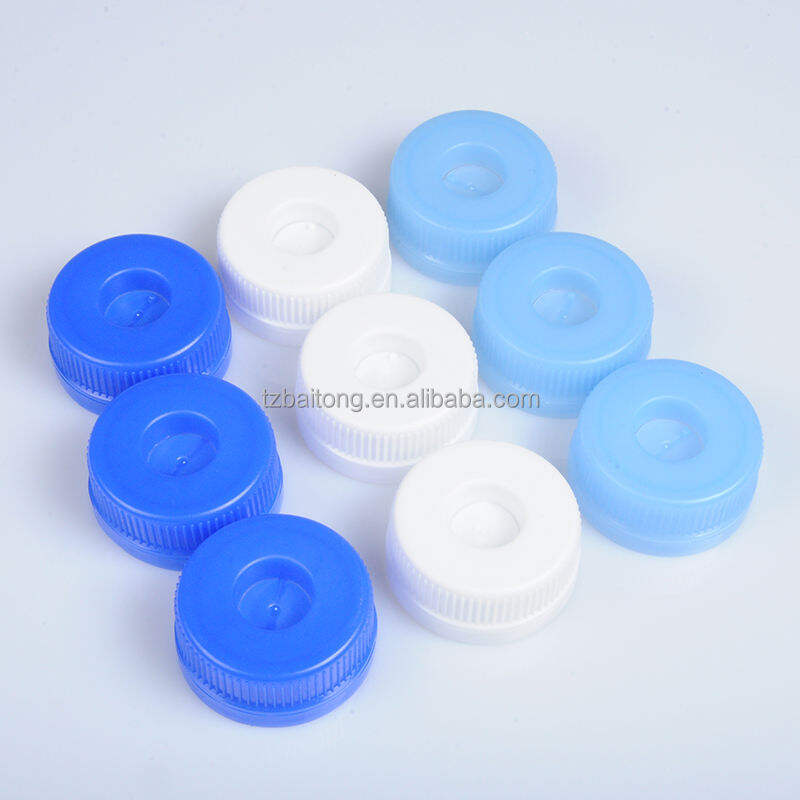
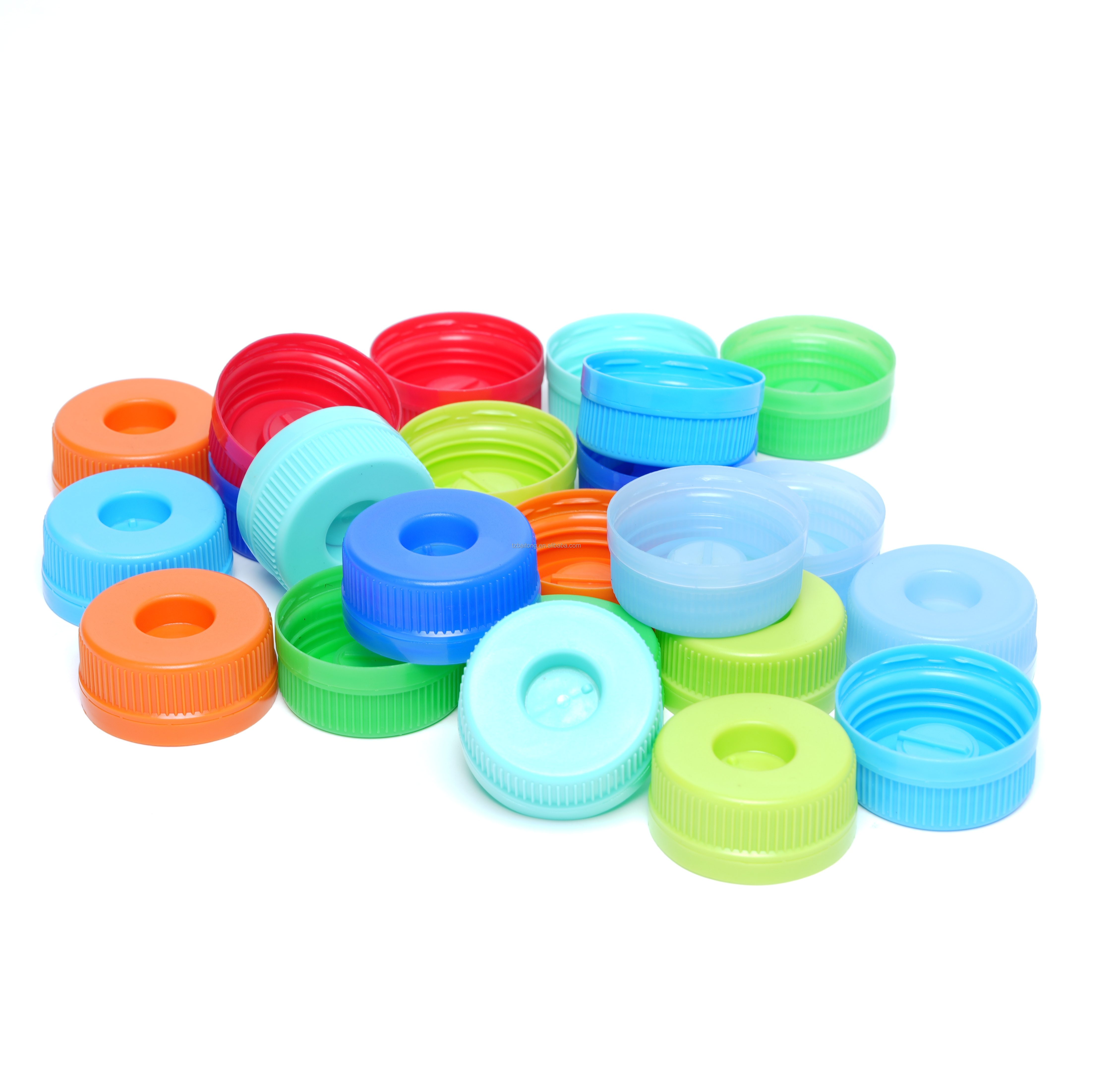
tapades de plàstic per a ampolles d'aigua
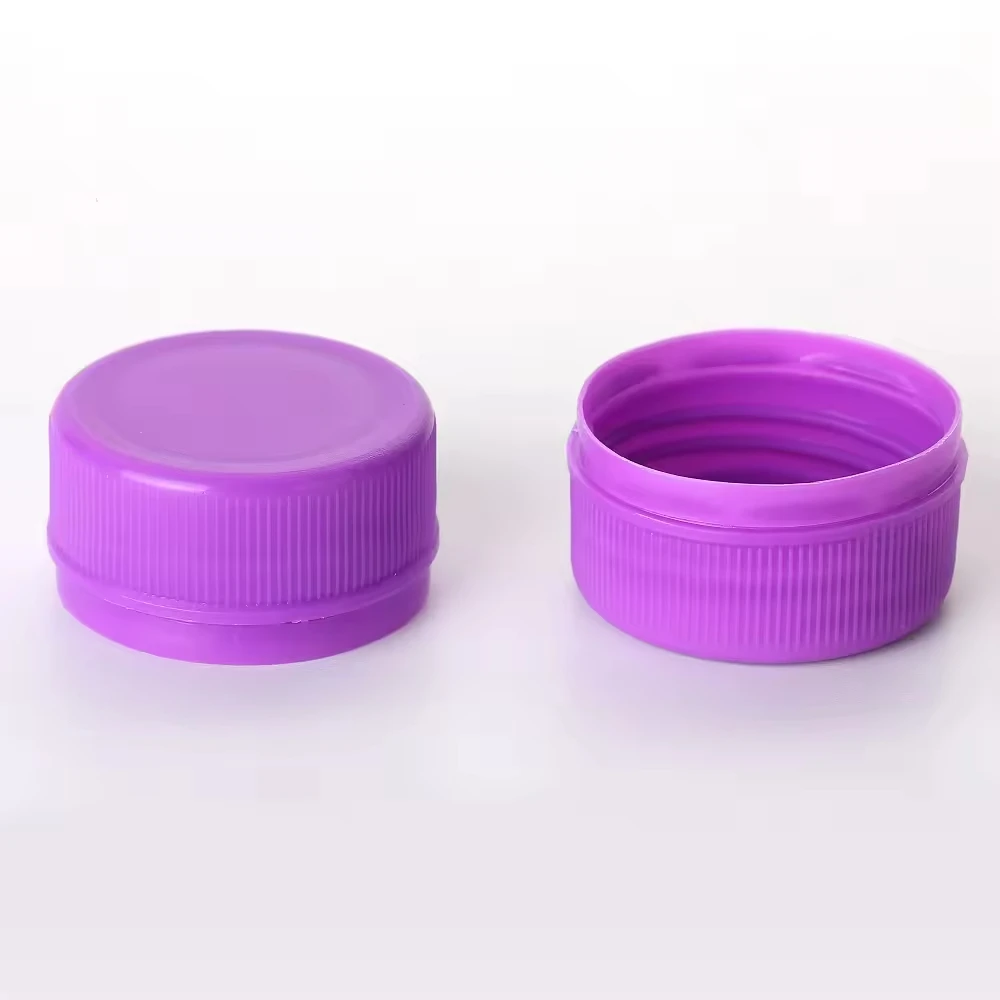
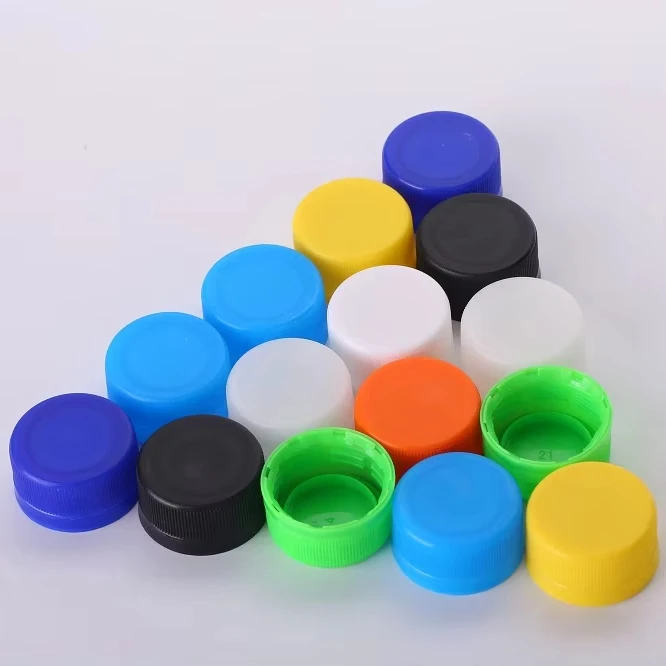
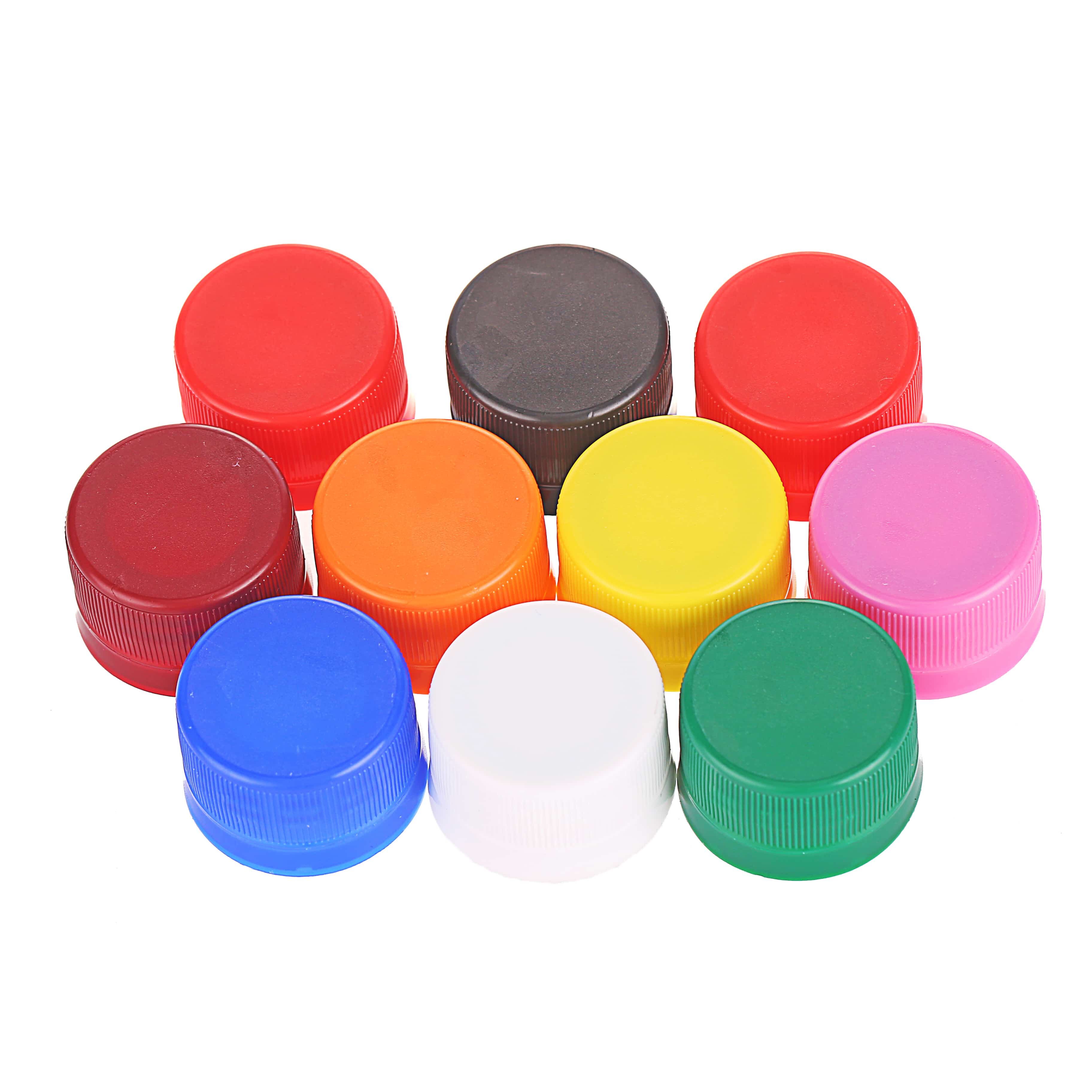
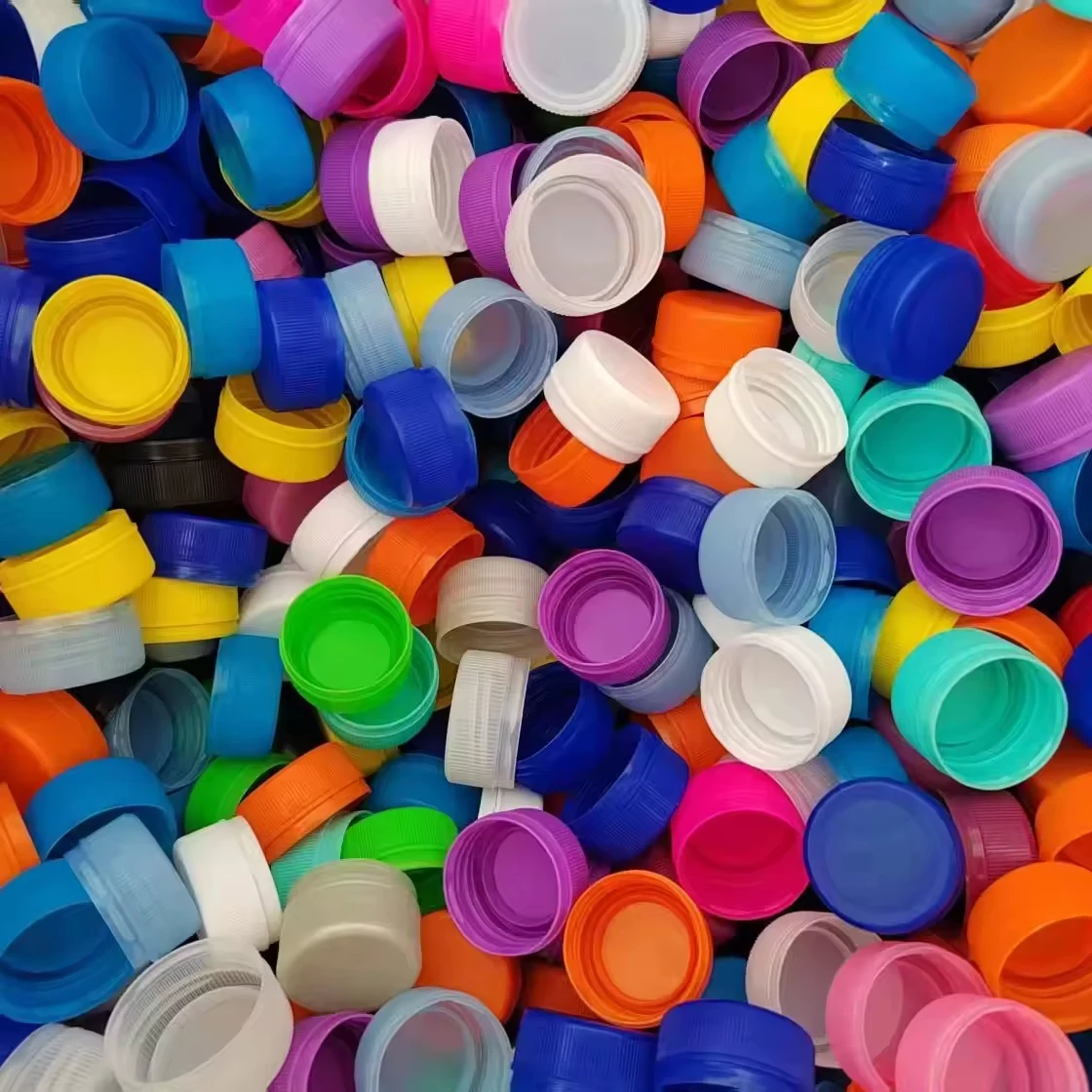
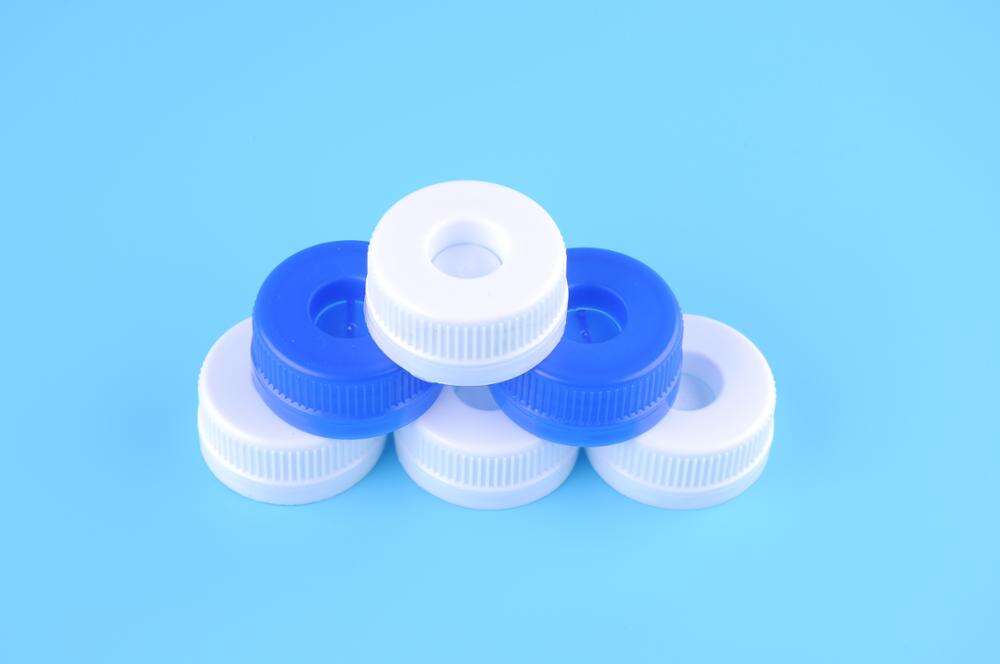
Les tapetes de plàstic per a ampolles d'aigua representen un component fonamental en l'embalatge modern de begudes, ja que actuen com el segell i el sistema de tancament principals per a innombrables productes d'aigua embotellada arreu del món. Aquests petits però essencials components estan dissenyats per oferir un contenidor segur, mantenir la frescor del producte i garantir la seguretat del consumidor mitjançant processos avançats de fabricació i la selecció adequada de materials. Les tapetes de plàstic per a ampolles d'aigua es fabriquen normalment amb polietilè d'alta densitat (HDPE) o polipropilè (PP), materials escollits per la seva durabilitat, resistència química i conformitat amb les normes de seguretat alimentària. Les característiques tecnològiques d'aquestes tapetes inclouen sistemes de filetat de precisió que creen segells estancs quan s'apliquen correctament als colls de les ampolles. Aquestes tapetes sotmeten a proves riguroses per assegurar uns requisits constants de parell de torsió, permetent als consumidors obrir i tornar a tancar fàcilment els recipients sense comprometre la integritat del producte. El procés de fabricació implica tècniques d'injecció de plàstic que produeixen tapetes amb un gruix uniforme de paret, evitant punts febles que podrien provocar fissures o fallades. Les tapetes modernes de plàstic per a ampolles d'aigua sovint incorporen característiques d'indiciació d'alteració, com ara bandes de trencament o anelles de seguretat, que proporcionen una indicació visible si el recipient ha estat obert anteriorment. Aquesta tecnologia reforça la confiança del consumidor i facilita la verificació de l'autenticitat del producte. A més, moltes tapetes de plàstic per a ampolles d'aigua presenten elements de disseny ergonòmic, com ara superfícies de presa texturitzades i especificacions òptimes de diàmetre que s'adapten a usuaris de totes les edats i capacitats físiques. Les aplicacions d'aquestes tapetes abasten diversos segments de mercat, incloent-hi l'aigua embotellada individual, els recipients d'aigua de gran format, les begudes esportives, les begudes aromatitzades i les aplicacions industrials d'aigua. Aquestes tapetes estan dissenyades per suportar diverses condicions ambientals, com ara fluctuacions de temperatura, canvis d'humitat i tensions durant el transport que es produeixen al llarg de la cadena d'aprovisionament, des de les instal·lacions de fabricació fins als consumidors finals.

 EN
EN