
 EN
EN



The PP Cap has become a critical component in modern beverage packaging, and its recyclability directly impacts how brands meet contemporary sustainability goals. As environmental regulations tighten globally and consumer demand for eco-friendly products intensifies, the ability to recycle packaging materials like the PP Cap is no longer optional—it is essential for industry compliance and corporate responsibility. Understanding the recyclability of the PP Cap and how it aligns with sustainability objectives helps manufacturers, bottlers, and brands make informed decisions about their packaging strategies.
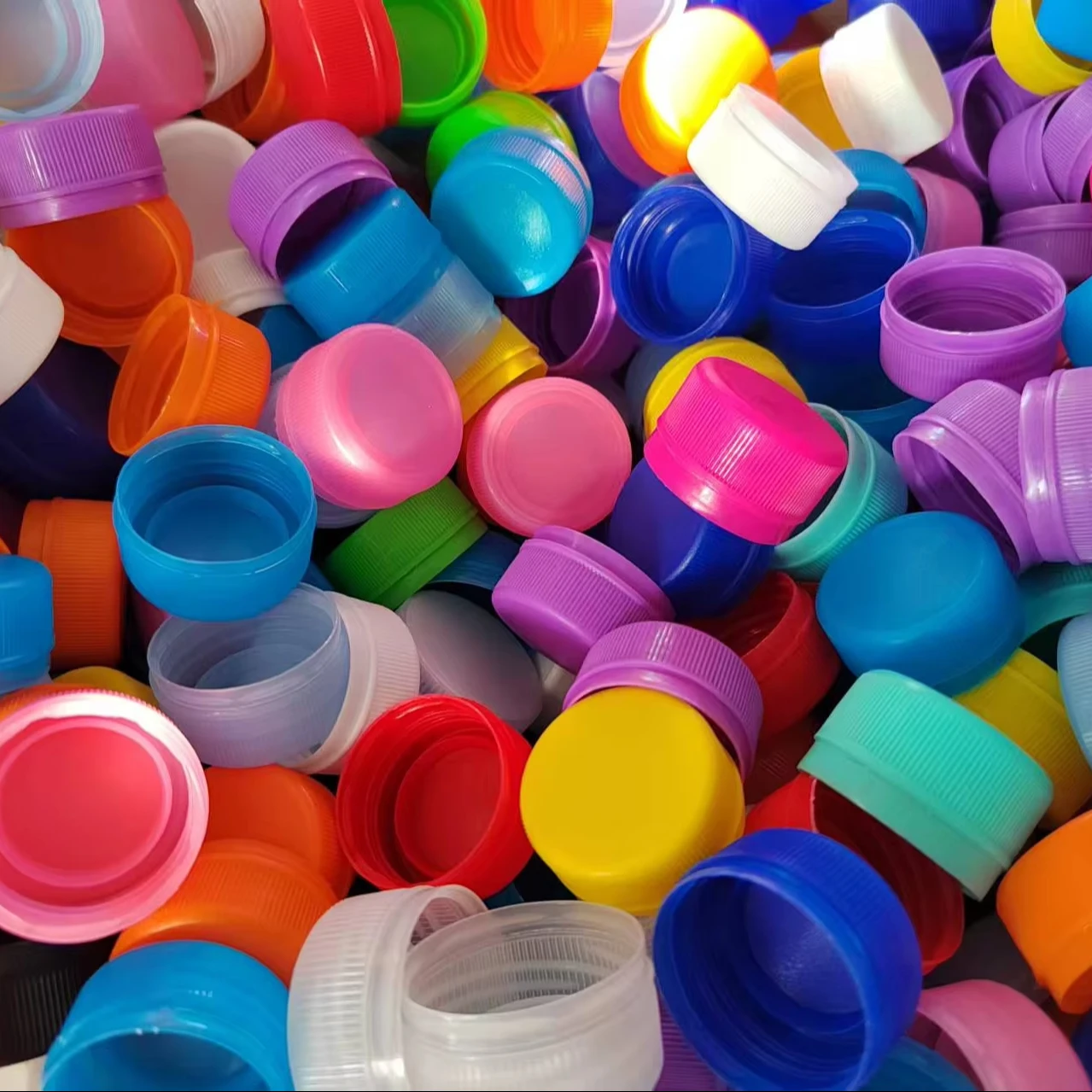
Sustainability in packaging is not just about material selection; it encompasses the entire lifecycle of a product, from manufacturing through disposal. The PP Cap represents a practical solution that balances functional requirements with environmental responsibility. By choosing a PP Cap designed for recyclability, companies can significantly reduce their environmental footprint while maintaining product protection and quality standards that consumers expect.
Why PP Cap Recyclability Matters for Modern Brands
The Environmental and Regulatory Imperative
The PP Cap plays an important role in achieving sustainability targets because polypropylene (PP) is one of the most recyclable plastics available in packaging. Regulatory frameworks across Europe, North America, and Asia increasingly mandate recyclable packaging components, making the PP Cap a compliance necessity rather than a choice. When a PP Cap is manufactured from virgin or recycled polypropylene, it can be processed through standard plastic recycling streams, reducing landfill waste and supporting circular economy principles. Brands that prioritize recyclable PP Cap designs demonstrate environmental commitment and align with evolving consumer preferences.
Consumer Expectations and Brand Reputation
Modern consumers expect brands to demonstrate sustainability leadership, and packaging choices directly influence purchasing decisions. A PP Cap that is clearly recyclable signals that a brand takes environmental responsibility seriously. When customers see that a PP Cap can be recycled alongside the bottle itself, they gain confidence in the brand's overall sustainability narrative. This perception translates into loyalty, positive brand reputation, and competitive advantage in markets where eco-consciousness drives consumer behavior. The PP Cap, therefore, becomes a tangible expression of a brand's commitment to modern sustainability goals.
How PP Cap Design Enables Effective Recyclability
Material Composition and Processing Standards
The recyclability of a PP Cap depends significantly on its material composition and adherence to recycling processing standards. Polypropylene used in a PP Cap is designed to melt at specific temperatures, allowing it to be separated from other packaging components during mechanical recycling. A well-designed PP Cap uses pure polypropylene without problematic additives that could contaminate recycling streams. Manufacturers ensure that each PP Cap meets density and purity standards that recycling facilities recognize, facilitating efficient processing. This standardization means that a PP Cap can be reliably processed alongside other polypropylene products, maintaining the quality of recycled material for future applications.
Design Features That Support Recycling Infrastructure
Beyond material selection, the physical design of a PP Cap influences how effectively it moves through recycling systems. Modern PP Cap designs feature minimal metal components, which can be separated through magnetic or eddy current processes at recycling facilities. The PP Cap should be lightweight enough to not significantly alter the bottle's density, yet durable enough to maintain functionality. Tamper-evident bands and closure mechanisms on a PP Cap are increasingly integrated into the cap itself rather than as separate components, reducing complexity in recycling. When a PP Cap is engineered with recycling infrastructure in mind, it flows smoothly through sorting systems and contributes meaningfully to post-consumer waste reduction.
Integration of PP Cap Recyclability into Sustainability Programs
Aligning with Extended Producer Responsibility (EPR)
Extended Producer Responsibility schemes require manufacturers to manage the end-of-life phase of their products, making the recyclability of the PP Cap a legal and financial consideration. By selecting a PP Cap made from recyclable polypropylene, brands reduce their EPR obligations and costs. A recyclable PP Cap demonstrates that producers are actively supporting collection and processing infrastructure. Many regions now track the recyclability rate of packaging components, and companies using a PP Cap designed for efficient recycling achieve higher sustainability scores and lower compliance costs. This integration of the PP Cap into EPR frameworks transforms packaging design into a strategic business advantage.
Supporting Circular Economy Initiatives
Circular economy models emphasize keeping materials in productive use for as long as possible, and the PP Cap is a key enabler of this vision. When a PP Cap is recycled, the recovered polypropylene can be transformed into new caps, automotive parts, industrial containers, or consumer goods. This closed-loop approach reduces the demand for virgin polypropylene and the energy and emissions associated with its production. Brands that prioritize recyclable PP Cap solutions directly contribute to circular economy momentum and help establish market demand for recycled plastic inputs. Over time, as more PP Cap units enter recycling streams, the economics of recycled polypropylene improve, encouraging further innovation in sustainable packaging design.
FAQ
Is a PP Cap truly recyclable in standard curbside programs?
Yes, a PP Cap made from polypropylene is recyclable in most curbside and drop-off programs that accept plastic waste. However, recyclability depends on local infrastructure and sorting capability. Some facilities request that the PP Cap remain attached to the bottle during collection to avoid sorting complications, while others ask for removal. Checking local recycling guidelines ensures that a PP Cap is processed correctly and does not contaminate the recycling stream. As recycling infrastructure improves, the acceptance of loose PP Cap units is increasing across collection systems globally.
How does a PP Cap compare to aluminum or other closure materials in recyclability?
A PP Cap offers distinct recyclability advantages compared to mixed-material closures. While aluminum is highly recyclable and commands greater scrap value, a PP Cap made purely from polypropylene avoids the contamination issues that arise when multiple materials are bonded together. A PP Cap can be recycled indefinitely without quality degradation, whereas some mixed-material caps are difficult to process and often end up in landfills. The choice between a PP Cap and alternative materials depends on specific application requirements, but from a pure recyclability perspective, the PP Cap's homogeneous composition supports cleaner recycling cycles.
What post-consumer applications can recycled PP Cap material support?
Recycled material from a PP Cap can be used to manufacture new closures, automotive components, plastic lumber, injection-molded consumer products, and industrial packaging. The quality of recycled PP Cap material is typically sufficient for food-contact applications when processed through appropriate purification systems. Many manufacturers now design new PP Cap units using a percentage of post-consumer recycled polypropylene, creating a genuine closed-loop cycle. This diversified end-use market for recycled PP Cap material supports the economics of recycling programs and incentivizes consumers and facilities to collect and process these components responsibly.