Get a Free Quote

Our representative will contact you soon.
Email
Phone/Whatsapp
Company Name/Name
Message
0/1000

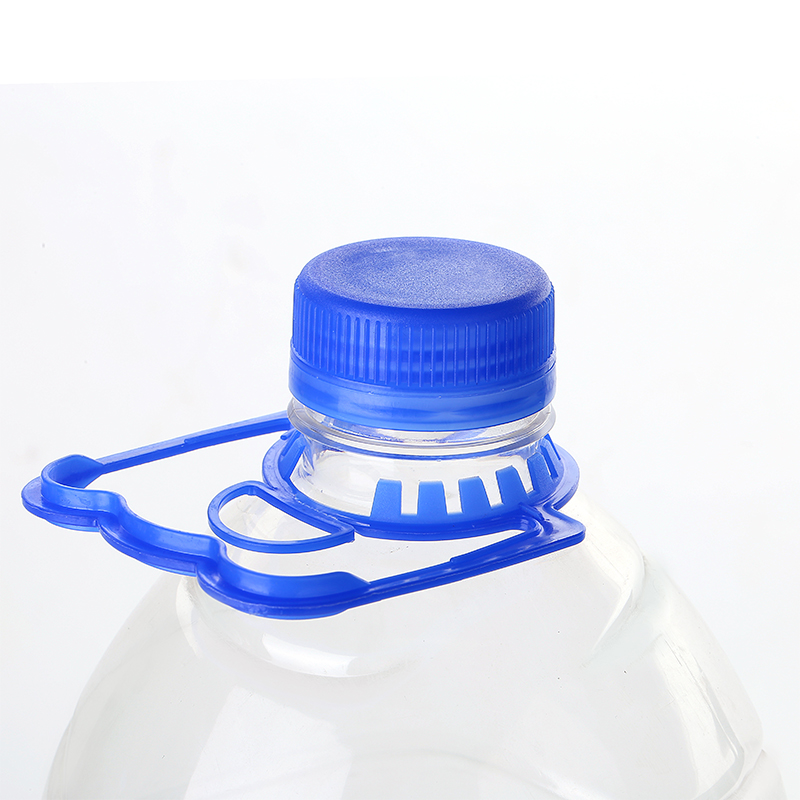
Wholesale PCO1881 Cap for International Soda and Water Brands

2026-05-07 10:00:00
Wholesale PCO1881 Cap for International Soda and Water Brands

In the competitive landscape of beverage packaging, international soda and water brands continuously seek reliable, cost-effective, and high-performance closure solutions that meet stringent quality standards across diverse global markets. The PCO1884 Cap has emerged as a critical component in this ecosystem, offering manufacturers and bottlers a standardized closure option that ensures product integrity, consumer safety, and operational efficiency. For procurement managers and supply chain professionals evaluating wholesale options for beverage closures, understanding the specific advantages and technical specifications of the PCO1881 Cap becomes essential to making informed sourcing decisions that support both product quality and profitability in international distribution channels.

17-removebg-preview (3) - 副本.png

Wholesale procurement of beverage closures requires careful consideration of multiple factors including compatibility with existing bottling infrastructure, regulatory compliance across different regions, material quality consistency, and supplier reliability for large-volume orders. The PCO1884 Cap represents a proven solution that addresses these multifaceted requirements, particularly for brands operating in international markets where packaging standardization and supply chain resilience are paramount. This comprehensive examination explores why the PCO1884 Cap has become the preferred choice for wholesale buyers serving major soda and water brands, detailing its technical specifications, quality advantages, procurement considerations, and strategic value in global beverage operations.

Technical Specifications and Standardization of the PCO1884 Cap

Industry Standard Dimensions and Thread Configuration

The PCO1884 Cap adheres to precise dimensional standards established by beverage industry organizations to ensure universal compatibility across bottling operations worldwide. This closure features a 28mm finish diameter with a specific thread profile that matches the PCO1881 neck finish commonly used in carbonated soft drink and water bottle manufacturing. The standardized thread configuration of the PCO1884 Cap ensures reliable application on high-speed capping lines, reducing the risk of cross-threading, incomplete sealing, or bottle rejection during production. For international brands operating multiple bottling facilities across different continents, this standardization eliminates the complexity of managing multiple closure specifications and simplifies inventory management across global supply chains.

The dimensional precision of the PCO1884 Cap extends beyond basic thread geometry to include critical parameters such as closure height, sidewall thickness, and top panel configuration. These specifications directly impact the performance characteristics of the closure, including tamper evidence, opening torque, and seal integrity under varying pressure conditions. Wholesale buyers benefit from this standardization because it enables them to qualify multiple suppliers without compromising quality consistency, providing supply chain flexibility and competitive pricing leverage. The technical documentation accompanying the PCO1884 Cap typically includes detailed tolerance specifications, material composition data, and performance test results that facilitate quality assurance processes for brands with rigorous packaging standards.

Material Composition and Food-Grade Certification

Manufacturing the PCO1884 Cap involves the use of high-density polyethylene or polypropylene resins that meet international food contact regulations including FDA requirements for direct food contact applications and European Union plastics regulations. The material selection for the PCO1884 Cap prioritizes mechanical strength, chemical resistance, and barrier properties that protect beverage contents from contamination while maintaining closure functionality throughout the product distribution cycle. For brands serving international markets, the food-grade certification of the PCO1884 Cap simplifies regulatory compliance efforts by providing documentation that satisfies diverse national and regional safety standards without requiring separate certifications for each market.

The polymer formulation used in the PCO1884 Cap incorporates additives that enhance performance characteristics such as UV resistance, temperature stability, and impact strength. These material properties ensure that the closure maintains its sealing capability and structural integrity when exposed to challenging environmental conditions during storage and transportation. Wholesale procurement of the PCO1884 Cap should include verification of material certifications, migration testing results, and compliance documentation that demonstrates conformity with applicable food safety regulations. Reputable suppliers provide comprehensive material disclosure statements and certificate of analysis documents that enable brands to conduct due diligence and maintain traceability throughout their supply chain.

Quality Advantages for International Beverage Brands

Carbonation Retention and Pressure Resistance

The sealing performance of the PCO1884 Cap represents one of its most critical quality attributes for carbonated beverage applications. The closure design incorporates a specialized liner system that creates an effective barrier against carbon dioxide migration, preserving the carbonation levels that define product quality in soda applications. This sealing capability depends on the precise interaction between the liner material, compression force during capping, and the sealing surface on the bottle finish. The PCO1884 Cap demonstrates consistent performance across typical carbonation pressures encountered in soft drink packaging, maintaining seal integrity even when bottles experience pressure fluctuations due to temperature variations during distribution.

For international brands, the pressure resistance of the PCO1881 Cap provides assurance that product quality remains consistent regardless of climate conditions in different markets. Testing protocols for the PCO1884 Cap typically include accelerated aging studies that simulate extended storage periods and pressure testing that verifies seal integrity under conditions exceeding normal operational parameters. These quality validation processes give brands confidence that their products will maintain carbonation levels throughout the intended shelf life, protecting brand reputation and reducing the risk of consumer complaints or product returns. Wholesale buyers should require suppliers to provide pressure retention test data and quality assurance documentation that demonstrates compliance with internal specifications and industry standards.

Tamper Evidence and Consumer Safety Features

Consumer safety represents a non-negotiable priority for beverage brands operating in regulated international markets, and the PCO1884 Cap incorporates tamper-evident features that provide visible indication of package integrity. The closure design typically includes a tamper band that separates from the cap body upon first opening, creating an irreversible change that alerts consumers to potential product tampering. This security feature has become increasingly important as beverage brands expand into emerging markets where supply chain security may present additional challenges. The tamper evidence mechanism of the PCO1884 Cap meets regulatory requirements in major markets while providing consumers with confidence in product authenticity and safety.

The design and functionality of the tamper band on the PCO1884 Cap balance security requirements with consumer convenience, ensuring that the closure can be easily opened by intended users while maintaining its protective function. The separation force and break pattern of the tamper band undergo rigorous testing to verify consistent performance across production runs. For wholesale buyers serving international brands, the tamper evidence capability of the PCO1884 Cap reduces liability risks associated with product contamination or counterfeiting while supporting compliance with package integrity regulations in different jurisdictions. Documentation of tamper evidence testing and compliance certifications should be included in wholesale procurement agreements to ensure traceability and quality assurance.

Wholesale Procurement Considerations for Large-Scale Operations

Supplier Qualification and Quality Management Systems

Selecting a wholesale supplier for the PCO1884 Cap requires thorough evaluation of manufacturing capabilities, quality management systems, and supply chain reliability. International beverage brands typically implement supplier qualification processes that assess production capacity, technical expertise, quality control procedures, and regulatory compliance capabilities. The ideal supplier for the PCO1881 Cap maintains ISO certification for quality management systems and operates manufacturing facilities that comply with good manufacturing practices relevant to food packaging production. These certifications provide assurance that the supplier has implemented systematic processes for controlling product quality, managing production variables, and addressing nonconformances.

The qualification process for PCO1884 Cap suppliers should include facility audits, sample testing, and review of quality documentation to verify that manufacturing operations can consistently produce closures that meet specifications. Wholesale buyers benefit from establishing long-term relationships with qualified suppliers who demonstrate commitment to continuous improvement and responsiveness to quality issues. The supplier's quality management system should include incoming material inspection, in-process monitoring, finished product testing, and traceability systems that enable identification of production lots in the event of quality concerns. For international brands with multiple bottling locations, supplier qualification becomes particularly important to ensure consistency across different supply sources and minimize the risk of production disruptions due to quality failures.

Volume Commitments and Pricing Structures

Wholesale procurement of the PCO1884 Cap involves negotiating pricing structures that reflect volume commitments, payment terms, and delivery requirements. Suppliers typically offer tiered pricing based on order quantities, with lower unit costs available for buyers who commit to larger volumes or establish long-term supply agreements. International beverage brands can leverage their purchasing power to negotiate favorable pricing while ensuring supply security through contractual arrangements that specify minimum order quantities, lead times, and delivery schedules. The economic advantages of wholesale purchasing become particularly significant for brands with high-volume bottling operations where closure costs represent a meaningful component of overall packaging expenses.

The pricing structure for the PCO1884 Cap should account for factors such as raw material costs, production complexity, quality specifications, and logistical considerations. Buyers should evaluate total cost of ownership rather than focusing exclusively on unit price, considering factors such as quality consistency, delivery reliability, and supplier technical support. Wholesale agreements may include provisions for price adjustments based on raw material indexes, volume performance incentives, and quality performance metrics. For international brands managing complex global supply chains, establishing clear pricing frameworks and contractual terms for the PCO1884 Cap helps control costs while maintaining supply flexibility to respond to market demand fluctuations.

Supply Chain Integration and Operational Compatibility

Bottling Line Configuration and Application Requirements

The operational success of the PCO1884 Cap depends on its compatibility with existing bottling equipment and application processes. Modern high-speed bottling lines require closures that can be reliably applied at rates exceeding hundreds of bottles per minute without causing equipment stoppages or quality defects. The PCO1884 Cap design accommodates these operational requirements through features such as consistent dimensional tolerances, appropriate material stiffness, and optimized geometry for automated handling systems. For international brands operating diverse bottling facilities with varying equipment configurations, the widespread compatibility of the PCO1884 Cap reduces the need for equipment modifications or specialized handling procedures.

Integration of the PCO1884 Cap into bottling operations requires attention to parameters such as capping torque specifications, application speed settings, and quality inspection protocols. The closure must be applied with sufficient torque to ensure proper sealing while avoiding over-tightening that could damage the closure or bottle finish. Suppliers of the PCO1884 Cap typically provide application guidelines that specify recommended torque ranges, equipment settings, and quality control procedures to optimize performance. Wholesale buyers should work with suppliers to conduct application trials that verify compatibility with their specific equipment and establish operating parameters that deliver consistent quality. This collaborative approach helps prevent production issues and ensures smooth integration of the PCO1884 Cap into existing operations.

Inventory Management and Distribution Logistics

Managing inventory levels for the PCO1884 Cap requires balancing supply security against working capital efficiency, particularly for international brands with geographically dispersed bottling operations. The closure's relatively low value-to-volume ratio makes transportation costs a significant consideration in supply chain design. Wholesale buyers typically establish regional distribution centers or arrange direct shipments to bottling facilities to minimize logistics expenses while maintaining adequate safety stock levels. The shelf stability of the PCO1884 Cap allows for extended storage periods without quality degradation, providing flexibility in inventory management strategies.

Distribution logistics for the PCO1884 Cap must account for packaging formats, handling requirements, and transportation modes that protect product quality during transit. Closures are typically packaged in bulk bags or corrugated containers designed to prevent contamination and physical damage. For international shipments, buyers must consider customs requirements, import documentation, and potential regulatory inspections that affect lead times. The logistics planning for wholesale PCO1884 Cap procurement should incorporate risk mitigation strategies such as dual sourcing arrangements, safety stock policies, and supply chain visibility systems that enable proactive management of potential disruptions. These measures help ensure continuous supply availability to support uninterrupted bottling operations across global manufacturing networks.

Strategic Value for Brand Positioning and Market Competitiveness

Cost Optimization and Profitability Enhancement

The financial impact of closure selection extends beyond direct material costs to influence overall profitability in beverage manufacturing operations. Wholesale procurement of the PCO1884 Cap enables international brands to achieve cost efficiencies through volume purchasing power, standardization benefits, and reduced complexity in supply chain management. The competitive pricing available through wholesale channels helps brands maintain margin targets while investing in other value-adding activities such as product innovation, marketing initiatives, and distribution expansion. For brands competing in price-sensitive market segments, the cost advantages of wholesale PCO1884 Cap procurement can translate into competitive pricing strategies that drive market share growth.

Beyond direct cost savings, the PCO1884 Cap contributes to profitability through operational efficiencies that reduce waste, minimize production downtime, and improve quality consistency. The reliable performance of the PCO1884 Cap on high-speed bottling lines reduces rejection rates and associated costs of rework or product disposal. The closure's compatibility with standard equipment configurations eliminates the need for capital investments in specialized application systems. These operational benefits compound over time to generate significant economic value for brands operating large-scale bottling facilities. Wholesale buyers should evaluate the total economic impact of the PCO1884 Cap including both direct costs and operational performance factors when making procurement decisions.

Sustainability Considerations and Environmental Responsibility

Environmental sustainability has become an increasingly important consideration for beverage brands responding to consumer expectations, regulatory requirements, and corporate responsibility commitments. The PCO1884 Cap design can incorporate recycled content or be manufactured from resins derived from renewable resources, supporting brands' sustainability objectives. The closure's lightweight design minimizes material consumption while maintaining functional performance, reducing the environmental footprint associated with packaging. For international brands with sustainability targets, wholesale procurement agreements for the PCO1884 Cap can include specifications for recycled content percentages, renewable material sourcing, and carbon footprint reduction initiatives.

The recyclability of the PCO1884 Cap represents another dimension of its environmental value proposition. The polyethylene or polypropylene composition allows the closure to be recycled alongside beverage bottles in established collection and recycling systems. Brands can support circular economy principles by selecting the PCO1884 Cap materials that are compatible with recycling infrastructure in their target markets. Wholesale suppliers increasingly offer transparency regarding the environmental attributes of their products, providing lifecycle assessment data, carbon footprint calculations, and information about sustainable manufacturing practices. These environmental considerations align with the broader sustainability strategies of international beverage brands and contribute to positive brand perception among environmentally conscious consumers.

FAQ

What is the difference between PCO1881 and PCO1884 Cap specifications?

The PCO1881 refers to the bottle neck finish specification, while the PCO1884 Cap is the corresponding closure designed to fit that neck finish. The PCO1884 Cap features a 28mm diameter with specific thread profiles, liner configurations, and dimensional tolerances that ensure compatibility with PCO1881 bottle finishes. Both specifications are standardized within the beverage packaging industry to enable interoperability across different manufacturers and bottling operations. When procuring closures wholesale, it is essential to verify that the PCO1884 Cap specifications match the bottle finish used in your production facilities to ensure proper sealing and operational performance.

How do I verify the quality consistency of wholesale PCO1884 Cap suppliers?

Quality verification for wholesale PCO1884 Cap suppliers should include multiple validation approaches including facility audits, sample testing programs, and review of quality documentation. Request certificates of analysis for production lots, conduct independent testing of seal integrity and dimensional conformance, and evaluate the supplier's quality management system certifications such as ISO 9001. Establish clear quality specifications in procurement contracts including acceptance criteria, testing protocols, and procedures for addressing nonconformances. Periodic audits of supplier facilities help verify ongoing compliance with quality standards and identify opportunities for continuous improvement. Long-term supplier relationships with robust quality assurance processes provide greater confidence in consistency compared to spot purchases from unqualified sources.

What minimum order quantities should I expect for wholesale PCO1884 Cap procurement?

Minimum order quantities for wholesale PCO1884 Cap procurement vary depending on supplier capabilities, production economics, and customization requirements. Standard closures in common colors typically have lower minimum order quantities ranging from several hundred thousand to a few million pieces, while custom colors or specialized liner configurations may require larger commitments due to setup costs and material procurement. International beverage brands with high-volume operations can often negotiate favorable minimum order quantities based on their purchasing power and long-term volume commitments. When evaluating suppliers, consider the balance between minimum order requirements, pricing advantages, and inventory carrying costs to determine the optimal procurement strategy for your specific operational needs.

Can the PCO1884 Cap accommodate both carbonated and non-carbonated beverages?

Yes, the PCO1884 Cap is suitable for both carbonated soft drinks and non-carbonated water applications, though liner specifications may differ based on the specific performance requirements of each application. For carbonated beverages, the closure typically incorporates liner materials and designs optimized for pressure retention and carbonation preservation. For still water applications, the liner may prioritize low extractables and taste neutrality. When procuring the PCO1884 Cap wholesale for diverse product portfolios, specify the intended application to ensure the supplier provides closures with appropriate liner configurations. Many international beverage brands use standardized PCO1884 Cap designs across both carbonated and non-carbonated products to simplify inventory management while maintaining adequate performance for each application type.