×
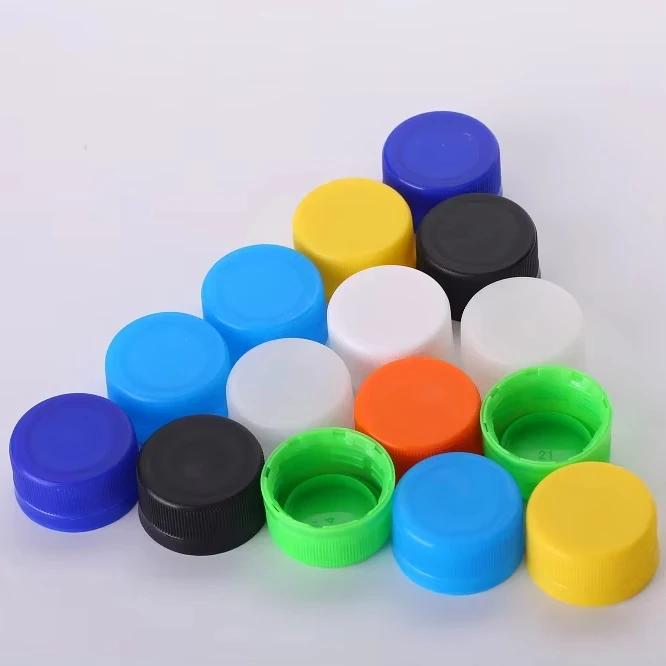
Taizhou, Zhejiang — 31 October 2026. On bottling lines across Asia, Africa and Latin America, 28 mm bottle necks are everywhere. Yet behind this common-use nominal diameter lie two distinct standards: PCO 1810 and PCO 1881. Your selection between the two can make a huge practical difference, impacting your annual resin consumption, cap height design, and your production line’s compatibility with tethered closures.
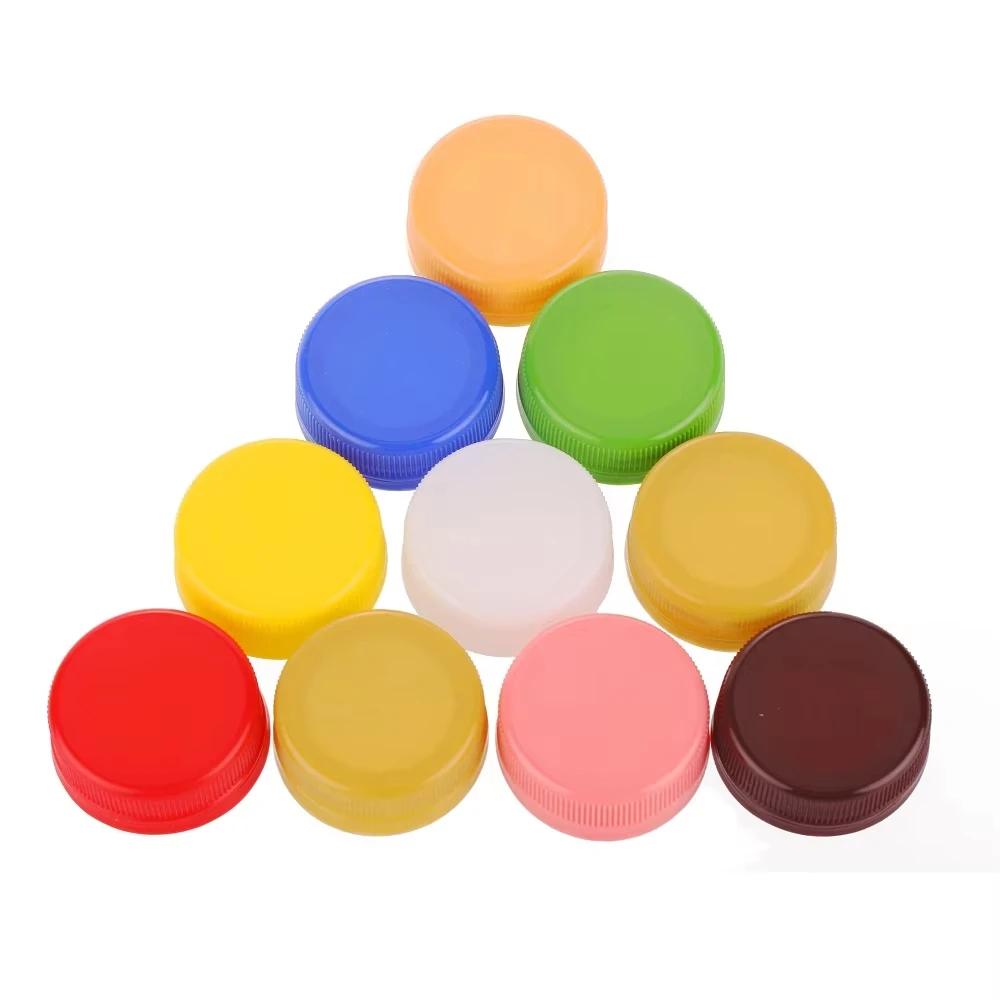
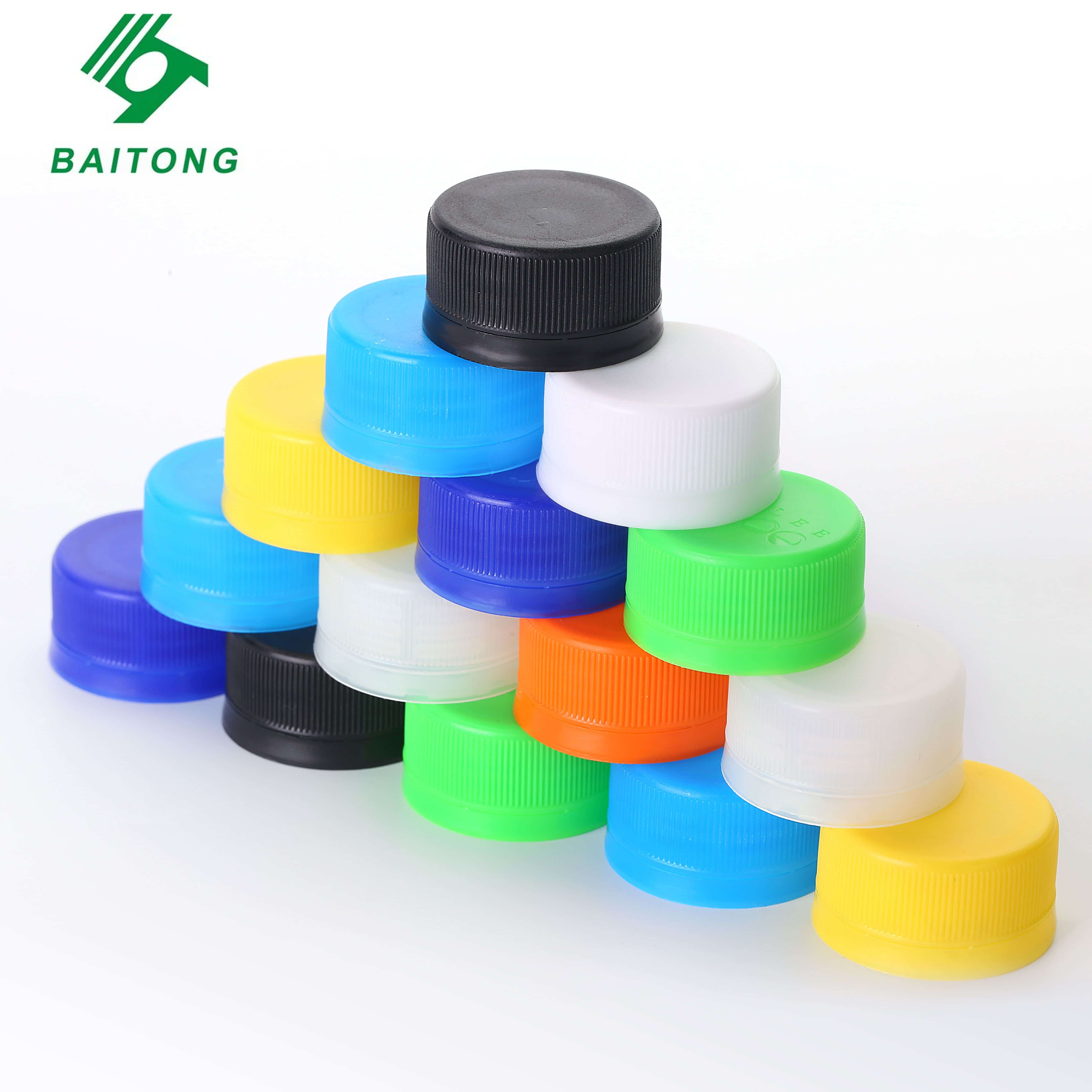
Taizhou Huangyan Baitong Plastic Co., Ltd. has produced plastic bottle caps,side handles and bottle handles in Huangyan for 14 years, and currently ranks as the top best seller in Lids, Bottle Caps & Closures on Alibaba. The questions buyers ask most are not only about price, but also they focus on compatibility: Which type of bottle cap is suitable for their product, and what adjustments are needed when brands switch specifications. Today, our main focus is to introduce how to choose the 1881 and 1810 caps.
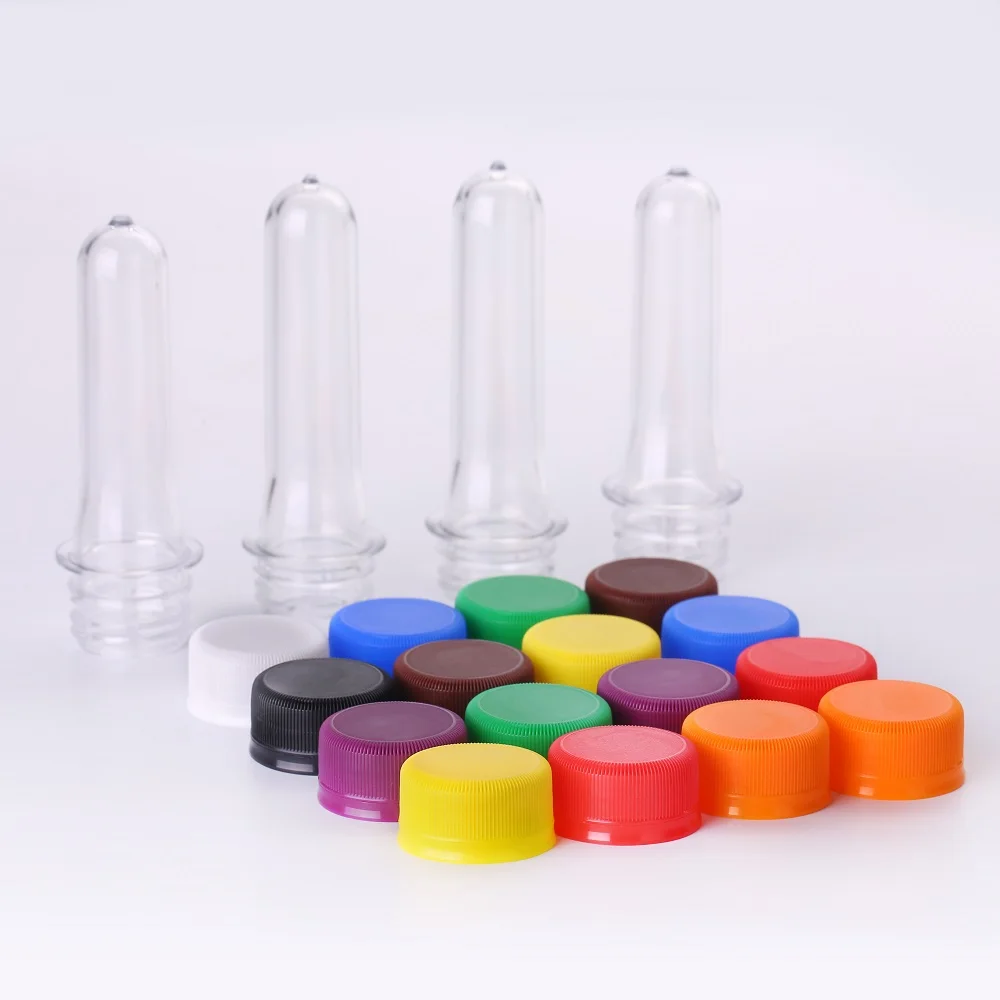
Both PCO 1810 and PCO 1881 are 28 mm diameter, accept the same 28 mm closures, and are used for carbonated soft drinks and water. Their thread diameters (the T dimension) are identical; what separates them is finish height — the H dimension, the distance between the sealing surface and the top of the thread that the closure must bridge.
PCO 1810 (long neck): A taller, heavier finish, still widespread on older blow-moulding lines and in markets where tooling was specified a decade or more ago.
PCO 1881 (short neck): Less PET in the finish, a shorter cap and a lower centre of gravity on the filled bottle.
The practical rule we give buyers: choose the finish from the product and the filling line, not from the cap catalogue. A 38 mm neck on a 330 ml still-water bottle is a cost you will pay for years, and hot-fill and aseptic projects usually land on more robust finishes than the thinnest short-neck option.
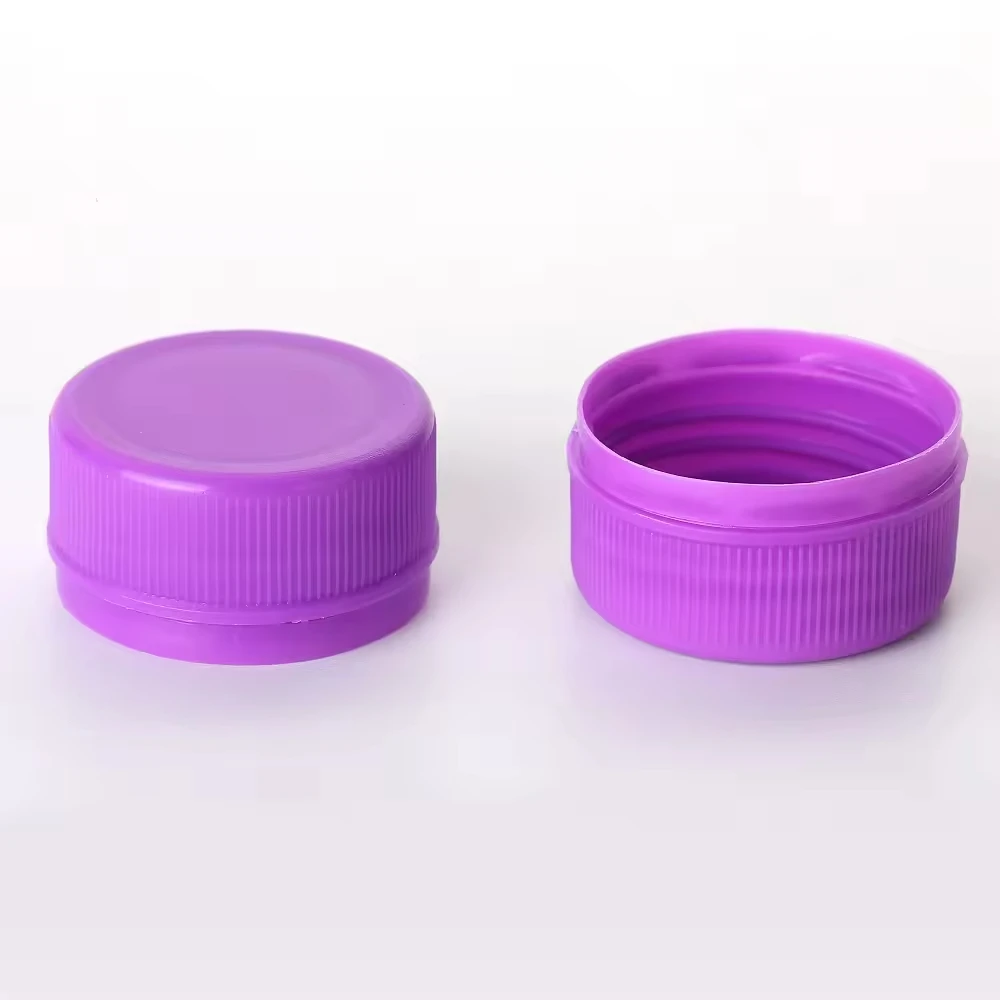
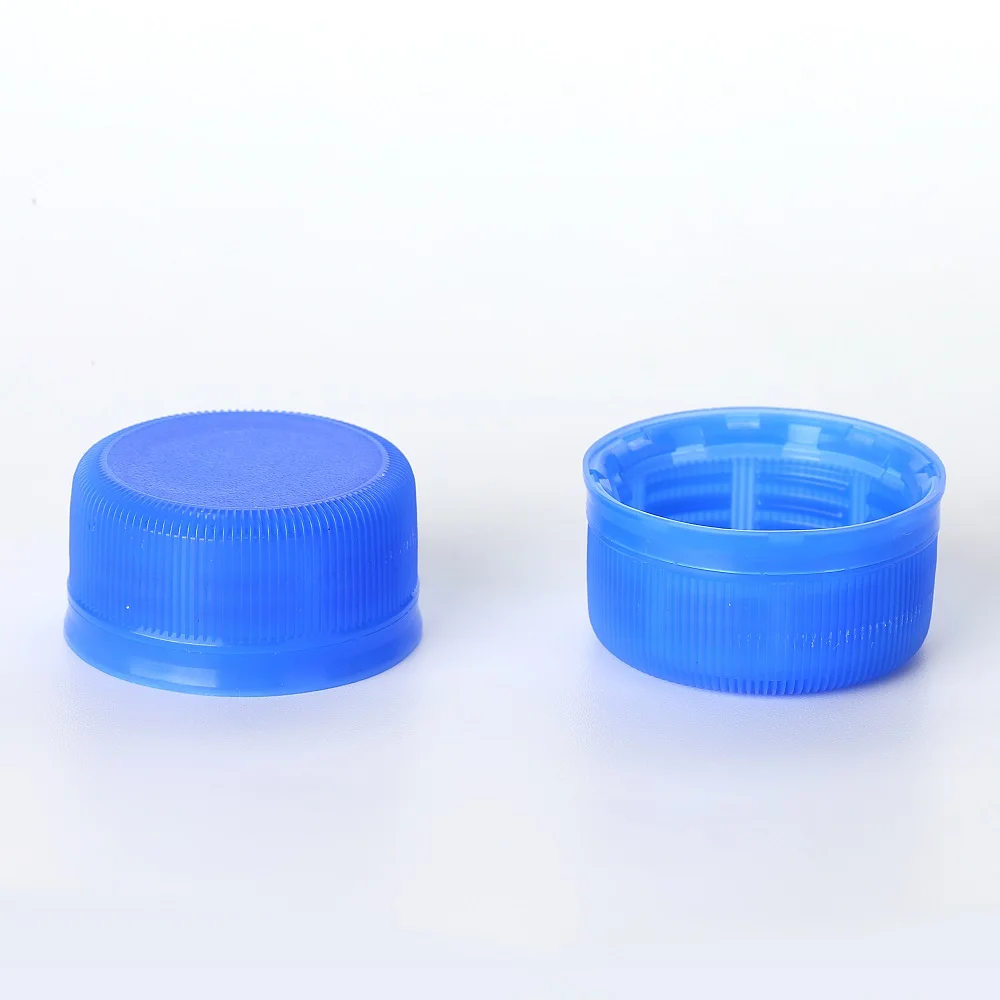
One-piece (Without liner inside) — There is no separate liner to source, fit or separate during recycling, and the single-material construction supports mono-material recyclability. The downside is stricter moulding tolerances.
Two-piece (With liner inside) caps add a separate liner, giving a wider process window and more predictable CO₂ retention on highly carbonated products, at the cost of an extra component and a mixed-material cap.
For carbonated products we start from a two-piece design where CO₂ retention is business-critical, and a one-piece linerless design where total cost and mono-material recyclability come first; for still water, one-piece is almost always the right answer.
Closures are almost always PE or PP, and the choice is not cosmetic. HDPE gives toughness and environmental stress-cracking resistance, which is why it dominates still-water caps; small additions of LDPE or LLDPE (commonly 3–6%) reduce brittleness and cut the risk of the tamper-evident band cracking during capping. PP — homopolymer for stiffness, copolymer where impact strength matters — suits carbonated and hot-fill applications where the closure must hold shape and torque under heat.
Baitong Factory supports both design-based and sample-based customization, delivering tailored neck-finish solutions aligned with your bottle specs, torque requirements and filling line conditions.
 Hot News
Taizhou Huangyan Baitong Plastic Co., Ltd. specializes in high-quality PCO1881, 1810, 3025, and 38mm plastic caps. Equipped with 8 Italian Sacmi production lines and 20+ years of expertise.
No.99 Dejian Road, Jiangkou street, Huangyan District, Taizhou City, Zhejiang Province
Copyright © 2026 Taizhou Huangyan Baitong Plastic Co.,Ltd. All rights reserved. Privacy Policy

 EN